
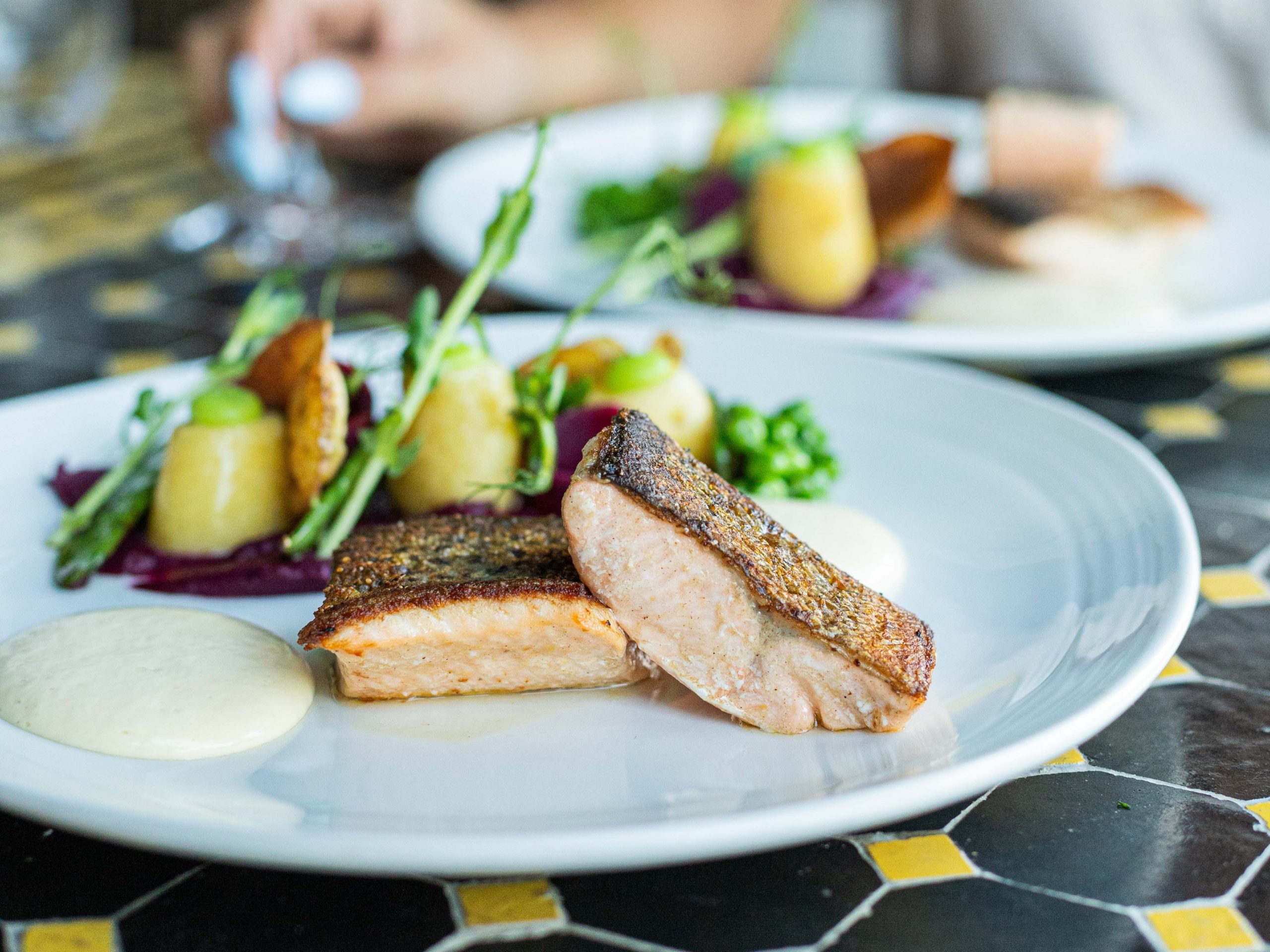
To organize a successful group dinner at a restaurant, book well in advance, communicate your group’s needs clearly, and agree on a menu format before the evening. The difference between a smooth group dining experience and a stressful one almost always comes down to preparation. The questions below cover every practical step, from the initial reservation to splitting the bill at the end of the night.
How far in advance should you book a restaurant for a group?
For a group dinner at a restaurant, booking two to four weeks in advance is recommended. Larger groups of ten or more people should aim for four to six weeks ahead, especially if the event falls on a weekend, during a public holiday period, or at a popular venue. The earlier you confirm, the more flexibility you and the restaurant have to plan properly.
Restaurants handle group reservations differently from individual bookings. A table for eight or more typically requires a dedicated section of the dining room, adjusted staffing, and sometimes a customized menu. When you contact the restaurant early, you give the kitchen and front-of-house team enough time to prepare everything properly, which directly affects the quality of your experience on the night.
If your group dinner is tied to a specific occasion such as a birthday, graduation, or work celebration, treat the booking deadline as even more urgent. Popular venues fill their private and semi-private spaces quickly, and last-minute inquiries for large groups are often turned away simply because the logistics cannot be arranged in time. A short email or phone call several weeks out is far better than scrambling the week before.
What details does a restaurant need for a group reservation?
When making a restaurant group booking, you should provide the exact number of guests, the date and preferred arrival time, the nature of the occasion, any dietary restrictions within the group, and whether you want a set menu or individual ordering. Having these details ready when you first contact the restaurant speeds up the entire planning process.
The guest count is the most critical piece of information because it determines seating arrangements, staffing levels, and whether the restaurant can accommodate you at all. Even an approximate number is helpful at the initial inquiry stage, but confirm the final headcount as early as possible. Most restaurants ask for a confirmed number a few days before the event so they can prepare the right amount of food and avoid waste.
The occasion also matters more than many people realize. A relaxed birthday dinner has different requirements from a formal business lunch. Letting the restaurant know the context helps the team tailor the atmosphere, pacing, and service style to suit your group. At Merimakasiini, for example, groups can inquire about bookings outside regular opening hours for larger private events, which gives organizers much more control over the evening.
Should you choose a set menu or order individually for a group dinner?
For most group dinners, a set menu is the better choice. It simplifies service, speeds up the meal, reduces the risk of long waits between courses, and makes billing straightforward. Individual ordering works well for smaller groups of four to six people but becomes increasingly difficult to manage as the group grows beyond that.
A well-designed group menu does not mean sacrificing choice. Many restaurants offer two or three options per course so guests can select based on their own preferences while the kitchen still benefits from the predictability of a pre-arranged structure. This balance keeps the evening flowing without making anyone feel they are eating a one-size-fits-all meal.
From a practical standpoint, set menus also make it easier to communicate costs to guests in advance. Everyone knows what they are paying before they arrive, which removes any awkwardness around pricing at the end of the night. If the restaurant offers tiered menu options at different price points, this can also accommodate groups with mixed budgets while keeping the ordering process simple.
How do you handle dietary restrictions for a large group?
Collect dietary requirements from every guest before contacting the restaurant, then communicate all restrictions clearly when you make the reservation. Do not leave this to individuals to manage on the night. Giving the kitchen advance notice of allergies, intolerances, and dietary preferences allows them to prepare alternatives without disrupting the flow of service.
The most common requirements to ask about include gluten intolerance, lactose intolerance, vegetarian and vegan diets, nut allergies, and shellfish allergies. A simple message to the group a week or two before the dinner is usually enough to gather this information. Once you have it, pass it on to the restaurant as a single, consolidated list rather than expecting the venue to collect it piecemeal on the evening.
Reputable restaurants take dietary needs seriously and build alternatives into their group menus. When reviewing menu options, check whether the dishes are available in modified versions. Well-structured group menus often note which dishes can be made gluten-free, dairy-free, or vegan on request, which makes it straightforward to accommodate almost any combination of needs within the group without requiring a completely separate menu.
What is the best way to split the bill at a group dinner?
The simplest and most conflict-free way to split the bill at a group dinner is to divide it equally among all guests. Agree on this approach before the evening begins so there are no surprises. If the group has chosen a set menu with a fixed price per person, equal splitting is even more natural because everyone has paid for the same thing.
If individual ordering is involved, equal splitting can feel unfair when there is a significant difference in what people have ordered. In that case, the two most practical alternatives are asking the restaurant to issue separate bills per person or designating one person to collect payment digitally using a payment app and settle the full bill themselves. Confirm with the restaurant in advance which billing methods they support, as not every venue can split one table across multiple card payments.
For work dinners or events with a corporate host, it is common for one person or a company account to cover the entire bill. In this case, confirm the payment method with the restaurant ahead of time and ask whether they can provide an itemized receipt for expense purposes. Sorting out the billing logistics before the evening means the group can end the night on a relaxed note rather than an awkward one.
How do you keep a group dinner running on schedule?
To keep a group dinner on schedule, set a firm arrival time, agree on the menu in advance, and communicate the evening’s structure to your guests beforehand. The biggest source of delays at group dinners is not the restaurant; it is the guests. When people arrive at different times or spend too long deciding what to order, the kitchen cannot pace the meal properly.
Ask guests to arrive ten to fifteen minutes before the meal is due to start, and make clear that the group will be seated and ordering will begin at a set time. This is especially important for larger groups where waiting for stragglers can push the entire evening back significantly. A pre-arranged set menu eliminates ordering delays entirely, since the kitchen can begin preparing courses as soon as the group is seated.
It also helps to stay in close communication with the restaurant on the day of the event. A quick confirmation call or message lets the team know you are on track and gives them the opportunity to flag anything that needs attention. Good restaurants actively help group organizers manage the pace of the meal, adjusting the timing between courses based on how the evening is progressing. When you have chosen a venue that understands group dining, keeping things on schedule becomes a shared effort rather than something you have to manage alone.