Archives

Discover authentic Finnish cuisine in the heart of Helsinki

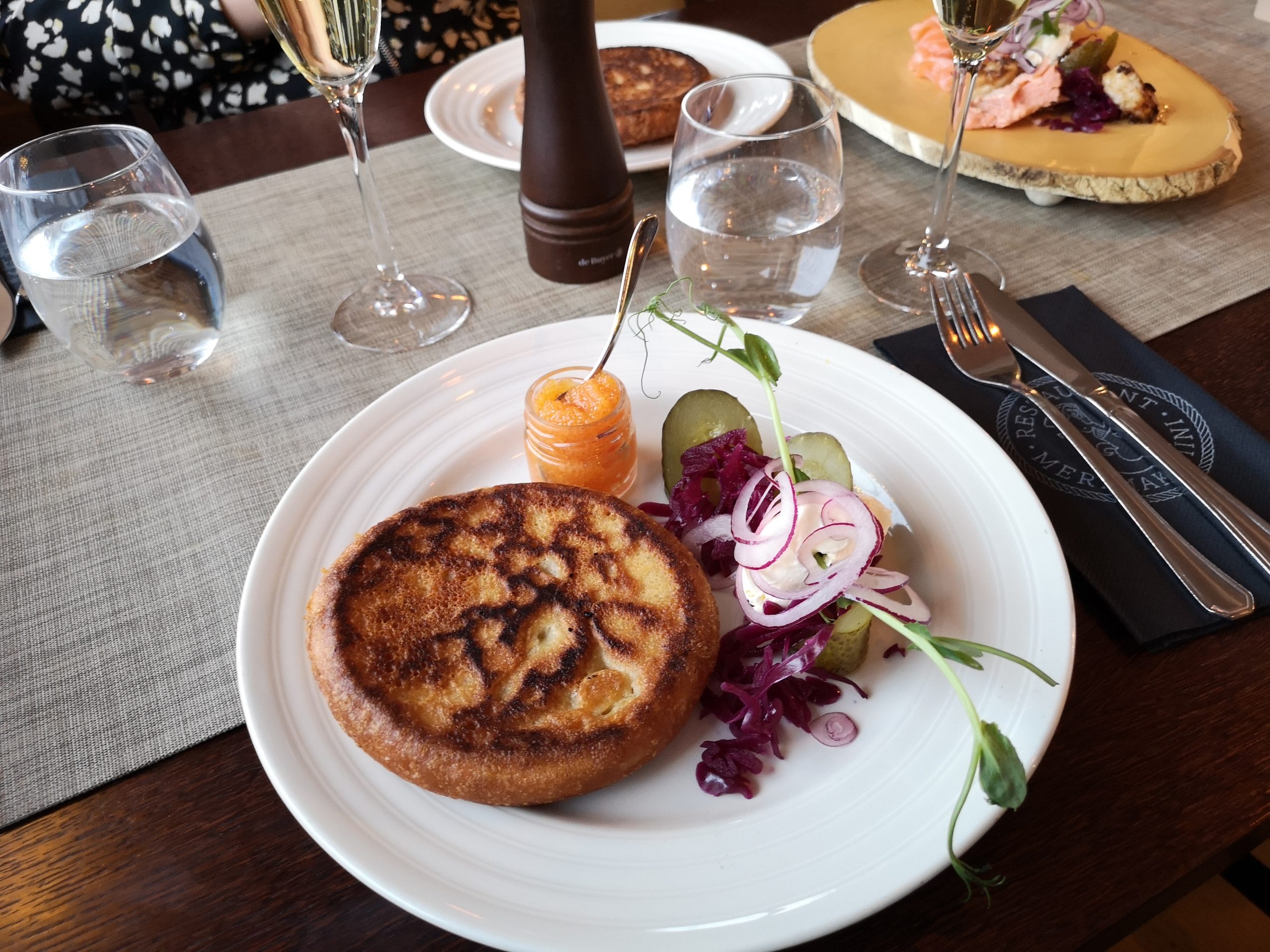
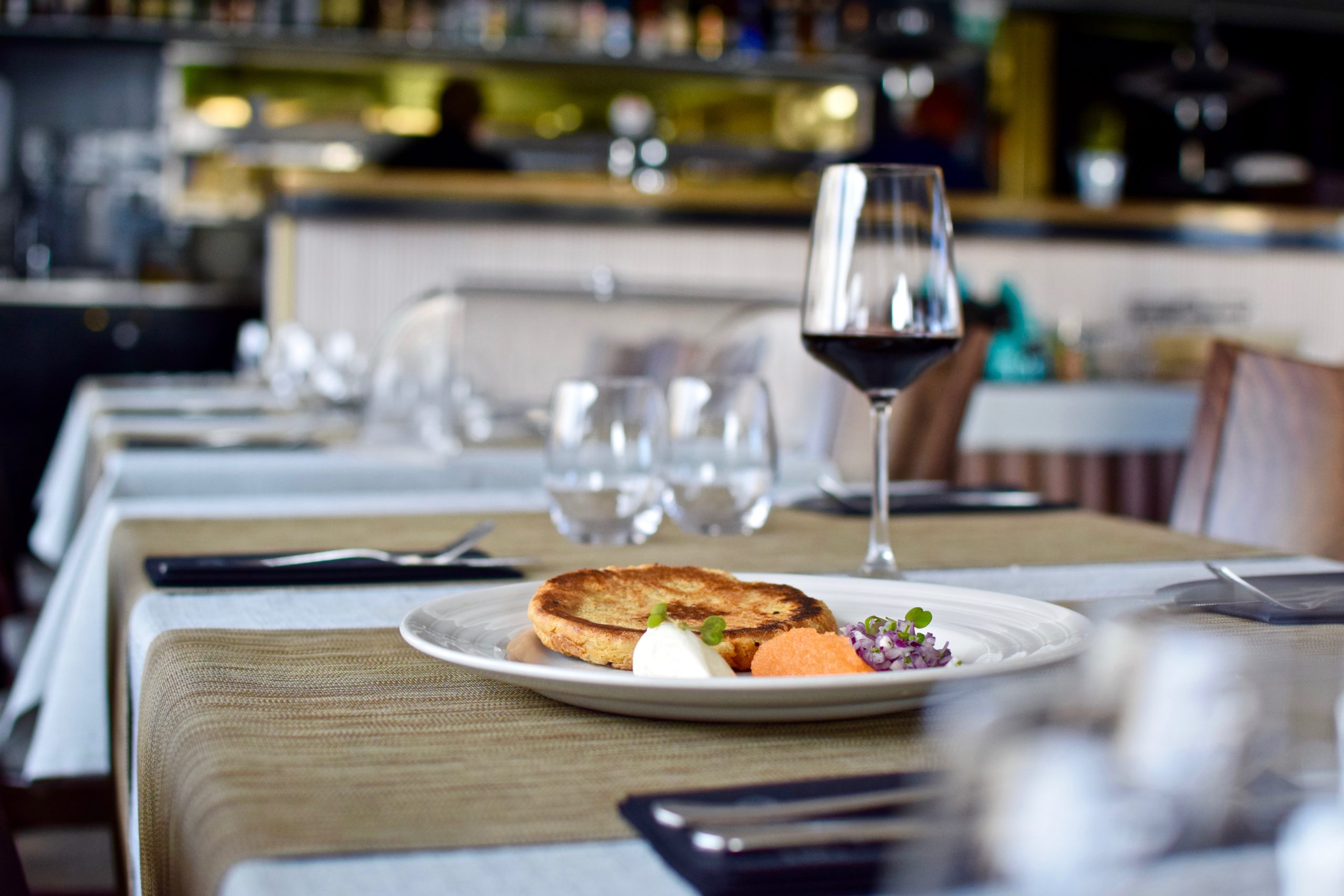
Blinikausi

Helsinki has no shortage of restaurants. But finding one that serves authentic Finnish cuisine rooted in real tradition, real ingredients, and a setting that actually feels like this city? That is a different challenge entirely.

If you want to eat the way Helsinki has always eaten by the sea, this is where to start.

Fresh Baltic seafood caught hours before it reaches your plate

Most restaurants describe their seafood as fresh. We can tell you exactly where ours comes from.

We maintain close relationships with local fishermen who deliver their daily catch directly to our kitchen. The fish on your plate has often been swimming in Baltic waters just hours before it arrives at the table. That is not a marketing claim. That is how we have operated since 1986.

What this means for you as a diner:

  • Flavour that processed or imported seafood simply cannot replicate
  • Seasonal variety that reflects what the Baltic actually offers right now
  • Fish and shellfish sourced with ecological sustainability in mind
  • No artificial additives, colour enhancers, or flavour boosters on your plate

Fresh seafood in Helsinki is not a given. When you find it done properly, it is immediately obvious.

Legendary dishes rooted in 30+ years of tradition

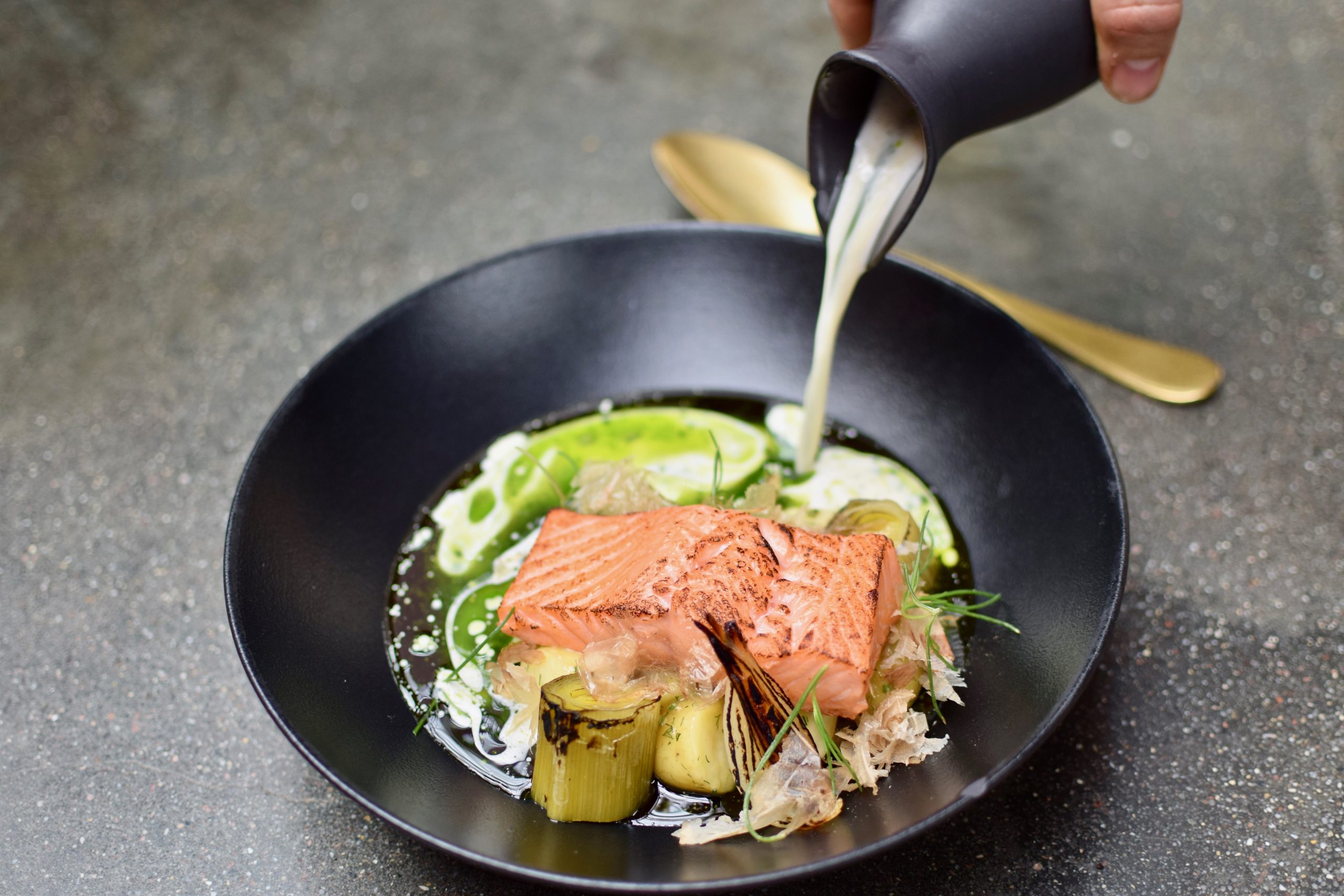
Some recipes earn their reputation over decades. Our salmon soup is one of them.

Made using a secret recipe that is now more than 30 years old, it remains our most popular dish year-round. Not just among tourists discovering traditional Finnish food for the first time, but among Helsinki locals who have been returning for it since the restaurant first opened.

Our menu crafted by head chef Markus Kornmayer, covers the full range of what a serious Finnish fish restaurant should offer:

  • Classic salmon soup Helsinki diners have loved for three decades
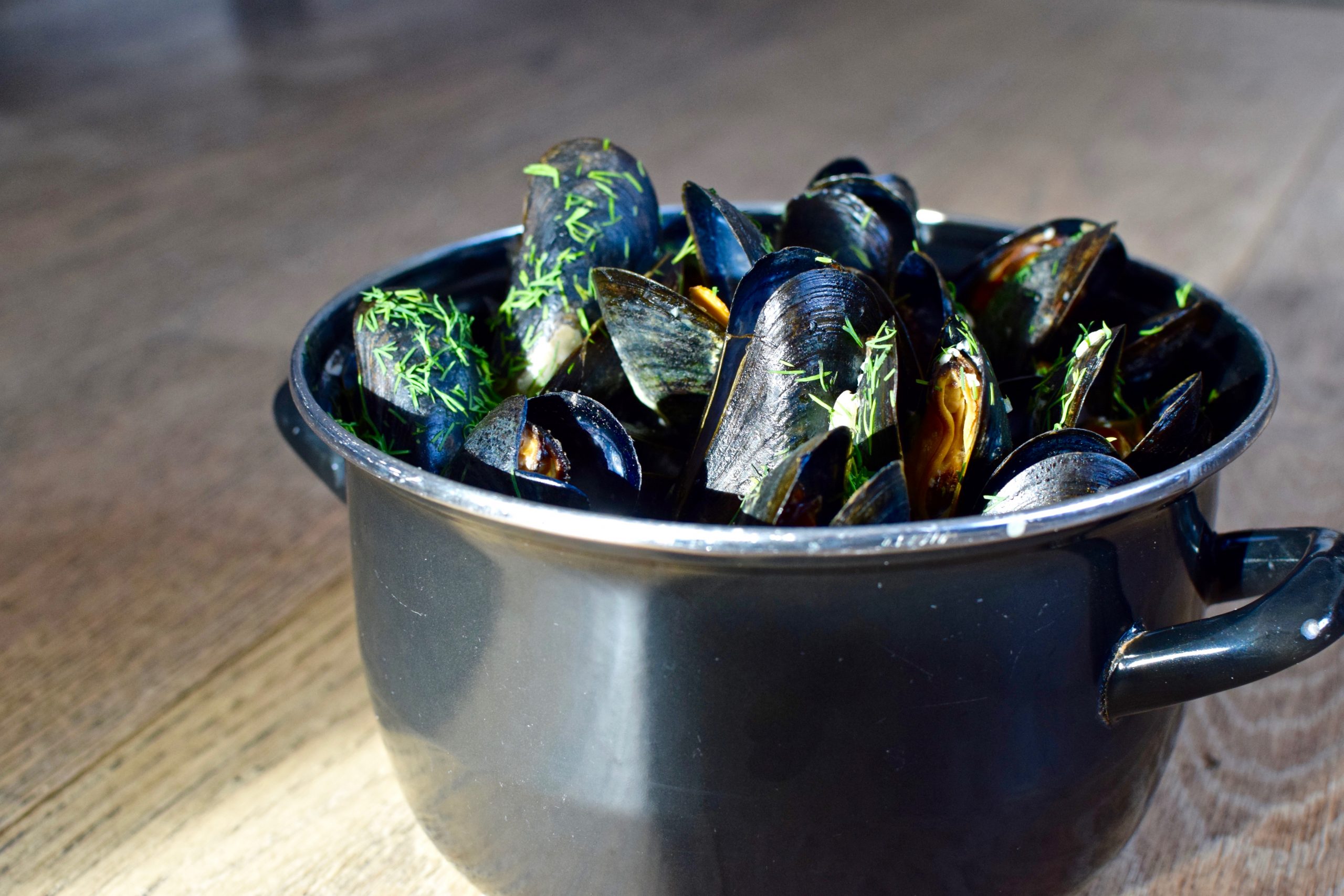
  • Bouillabaisse prepared with the depth and care the dish demands
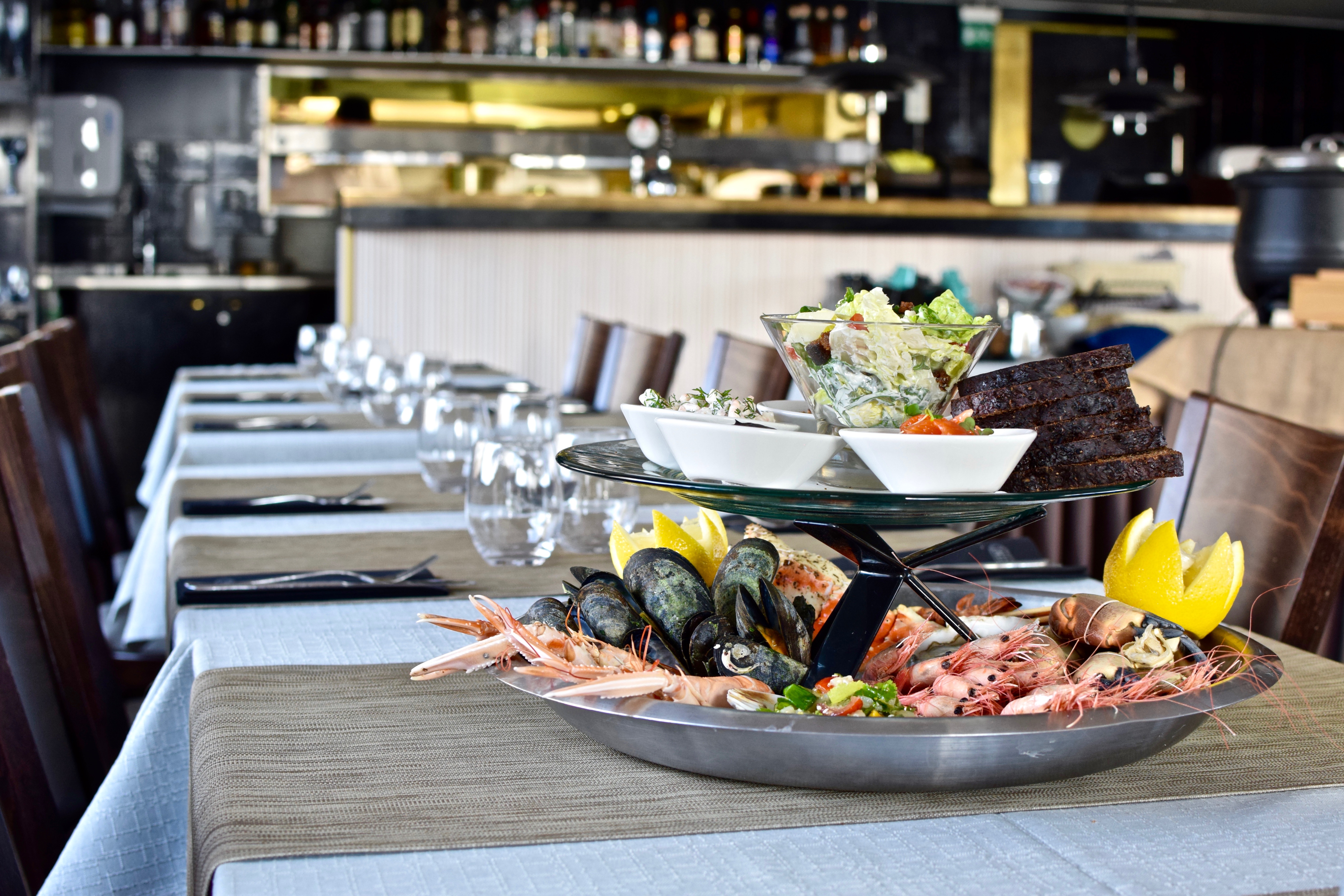
  • Fruits de Mer, a generous shellfish platter for those who want the full experience
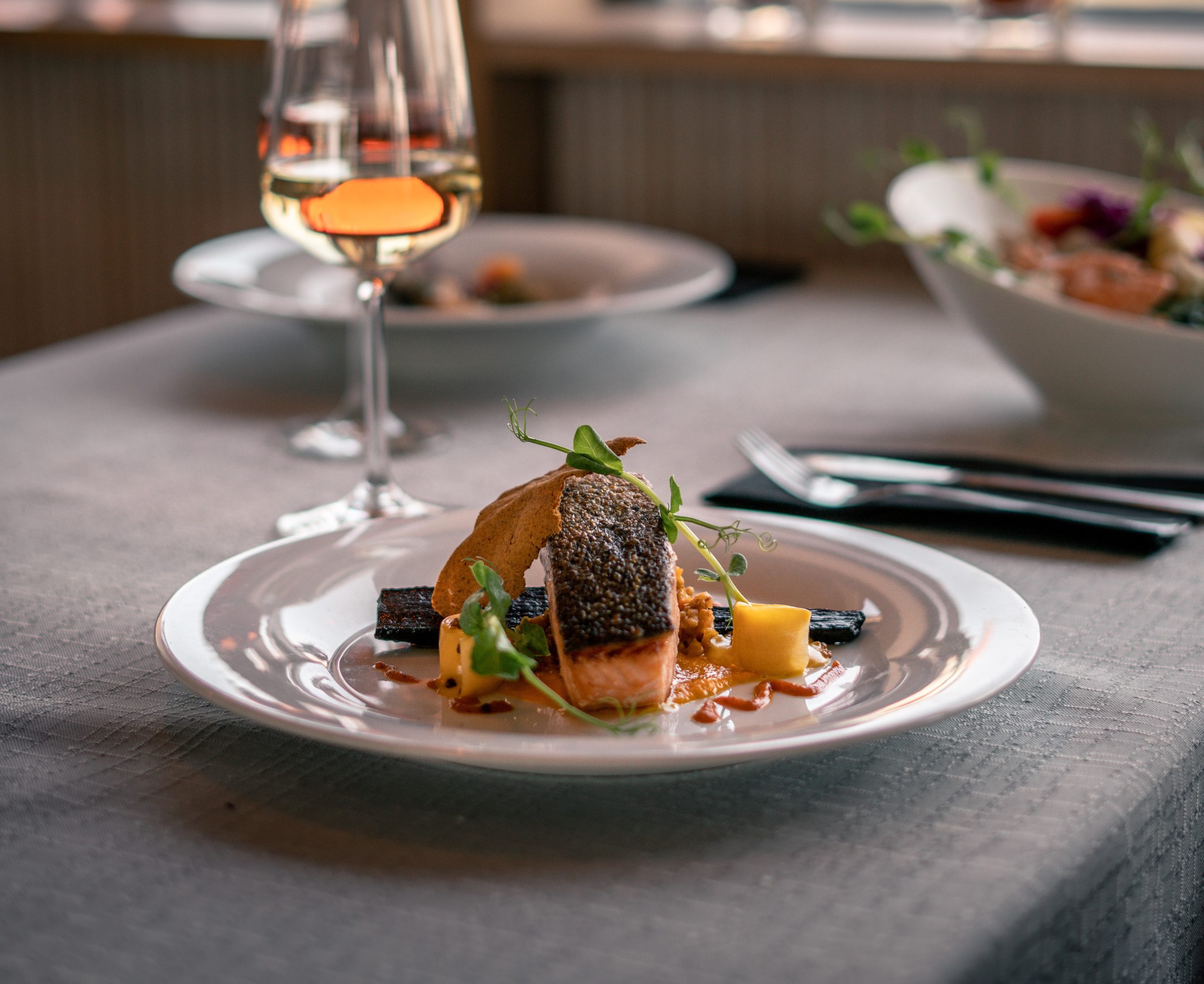
  • Seasonal chef’s favourites that change with what is best right now
  • Meat and vegetarian options for guests with different preferences
  • Special dietary requirements accommodated when noted at the time of booking

These are not trend-driven dishes designed to photograph well. They are the kind of food that brings people back, year after year.

A harbour setting that makes Helsinki unforgettable

Location shapes a meal in ways that are hard to overstate.

We sit in the beautiful Hietalahti harbour, right on Hietalahdenranta, within walking distance of Helsinki city centre. Large windows frame panoramic views of the water, making the sea a genuine part of the dining experience regardless of the season.

In summer, our waterfront terrace opens to the harbour breeze and open sky. In the quieter months, the warmth of the interior and the view of the water create exactly the kind of atmosphere that a long, unhurried meal deserves.

The interior itself reflects the history of this place. Maritime elements and historical photographs document the evolution of Hietalahti from a busy shipyard district to one of Helsinki’s most loved dining destinations. You are not just eating in a restaurant. You are eating in a piece of the city’s story.

Why Merimakasiini stands apart from other Helsinki restaurants

Helsinki has good restaurants. What makes one worth choosing over another?

We opened in 1986 as a summer restaurant. Demand kept us open through the winter, and we have been here ever since. That kind of longevity does not happen by accident. It happens because the food is genuinely good and the experience is consistently worth returning to.

Here is what separates a meal here from a standard Helsinki restaurant experience:

  • Provenance you can trust: direct relationships with local fishermen mean traceability that most restaurants cannot offer
  • A menu built on restraint: no artificial additives, no flavour shortcuts, no compromises on ingredient quality
  • Genuine expertise: decades of preparing the same classic dishes mean our kitchen knows exactly what it is doing
  • Service that matches the setting: attentive and warm without being intrusive
  • A location that earns its place: harbour views that make the meal feel like an occasion, not just a transaction

If you are looking for fresh seafood in Helsinki prepared with real care and served in a setting that reflects the city’s maritime identity, the choice becomes straightforward.

Reserve your table at Helsinki’s iconic seafood restaurant

A great meal at a harbour restaurant with a view and a reputation like ours fills tables quickly, especially in summer and at weekends. Booking ahead is always the right move.

When you make a reservation, let us know about any dietary requirements. We will do our best to accommodate them, and having that information in advance means we can prepare properly for your visit.

What to expect when you arrive:

  • A warm welcome and a table with a view of the harbour
  • A menu that reflects the season and what the Baltic is offering right now
  • Honest, unfussy food made from ingredients you can feel good about
  • The kind of unhurried dining experience that Helsinki’s best meals are built around

Authentic Finnish cuisine is not complicated to find once you know where to look. Reserve your table at Merimakasiini and taste what 40 years of doing this properly actually looks like.

Finnish cuisine explored your way as a first-time visitor

Finland is not always the first country that comes to mind when planning a culinary trip through Europe. But for first-time visitors who take the time to explore Finnish food seriously, the experience tends to be quietly revelatory.

Finnish cuisine is honest, seasonal, and deeply connected to the land and sea. If you arrive without a guide, it can feel unfamiliar. This article gives you the context you need to eat well from day one.

The dishes that define Finnish food culture

Finnish food is built on simplicity and quality. Elaborate sauces and complex preparations take a back seat to ingredients that speak for themselves.

A few dishes appear on menus across the country and tell you a great deal about Finnish culinary identity:

  • Lohikeitto (salmon soup) — a creamy, dill-scented broth with chunky salmon and root vegetables, eaten year-round and considered a national comfort dish
  • Bouillabaisse — while French in origin, Finnish coastal restaurants have made this rich seafood stew their own, using locally caught Baltic fish
  • Graavilohi — cured salmon seasoned with salt, sugar, and dill, typically served as a starter
  • Sautéed reindeer — a northern staple, tender and earthy, often served with mashed potatoes and lingonberry
  • Rye bread — dense, dark, and slightly sour, served with almost every meal as a matter of course

These are not tourist approximations. They are everyday Finnish foods that locals eat with genuine affection, and they are the right place to start your exploration.

Why fresh Baltic seafood sits at the heart of Finnish dining

Finland has thousands of kilometres of coastline and hundreds of thousands of lakes. Water is not a backdrop here. It is a food source that shapes the entire culinary tradition.

The Baltic Sea produces fish with a distinct character. Colder, cleaner waters mean leaner flesh and more concentrated flavour. Baltic salmon, perch, pike-perch, and whitefish are staples that appear on serious menus throughout the year.

What makes Finnish seafood dining particularly compelling is the supply chain. Many coastal restaurants work directly with local fishermen, meaning the fish on your plate may have been swimming that same morning. That level of freshness changes everything about the eating experience.

At Merimakasiini, we maintain close relationships with local fishermen who deliver the day’s catch directly to our kitchen in Helsinki’s Hietalahti harbour. The result is seafood that is genuinely as fresh as it gets in a restaurant setting.

For a first-time visitor, this is worth understanding before you order. Fresh Baltic seafood is not interchangeable with frozen alternatives. The texture, flavour, and overall experience are categorically different.

Seasonal flavours and what to expect on a Finnish menu

Finnish menus shift with the seasons in a way that feels more pronounced than in many other European countries. This is not a marketing concept. It reflects genuine availability.

Here is a rough guide to what each season brings to the table:

  • Spring: Early herring, fresh pike-perch, the first wild herbs and greens
  • Summer: Crayfish season (a beloved Finnish tradition), new potatoes, chanterelle mushrooms, fresh berries
  • Autumn: Wild mushrooms in abundance, root vegetables, the Baltic herring festival in Helsinki
  • Winter: Hearty soups, smoked fish, preserved and cured preparations that reflect centuries of Nordic food tradition

A well-curated Finnish menu in 2026 will reflect what is actually available right now, not what is convenient to source year-round. When you see a dish described as seasonal, that is a signal of quality, not limitation.

Our head chef, Markus Kornmayer, builds the seasonal Finnish seafood menu around this philosophy. Classics like lohikeitto and bouillabaisse anchor the menu throughout the year, while seasonal specials rotate to reflect what is best at any given moment. No artificial colours, no flavour enhancers. Just clean, well-sourced ingredients.

Where to experience authentic Finnish cuisine in Helsinki

Helsinki is the natural starting point for most visitors, and it offers a genuinely strong dining scene rooted in Finnish tradition.

The city’s harbour areas are particularly worth exploring. Proximity to the sea means fresher fish, and the atmosphere in waterfront neighbourhoods adds something to the meal that no city-centre dining room can replicate.

Hietalahti harbour, a short walk from the centre of Helsinki, is home to Merimakasiini. We have been serving fresh seafood dishes here since 1986, making us one of the longest-established fish and seafood restaurants in the city. The restaurant’s interior honours the maritime heritage of the area, with historical photographs documenting Hietalahti’s transformation from a working shipyard to one of Helsinki’s most visited dining destinations.

Large windows frame panoramic views of the harbour, making the sea a constant presence whether you visit in the warmth of summer or the quiet of a Finnish winter evening.

For a first-time visitor trying to understand Finnish food culture, a meal here offers something beyond a good plate of food. It offers context.

Plan your first Finnish dining experience in Helsinki

Knowing where to go is only part of the equation. A few practical considerations will help you get the most from your first Finnish dining experience.

Book ahead. Good restaurants in Helsinki fill up, particularly on weekends and during summer. A reservation removes the uncertainty and lets you focus on the meal itself.

Mention dietary requirements when you book. Finnish kitchens take special diets seriously. Giving advance notice means the kitchen can prepare properly, rather than improvising on the night.

Start with the soup. If you are unsure where to begin, lohikeitto is the most approachable entry point into Finnish seafood. Our version is made from a recipe that has been refined over 30 years, and it remains our most ordered dish across every season.

Ask about the catch of the day. When a restaurant sources directly from local fishermen, the daily catch is often the best thing on the menu. Do not overlook it in favour of something more familiar.

Allow time. Finnish dining culture is not rushed. A meal at a harbour restaurant is meant to be an experience, not a transaction. Give yourself the evening.

We welcome visitors who are curious about Finnish food and want to experience it properly. Whether you begin with a bowl of lohikeitto, work through a Fruits de Mer seafood platter, or let the chef’s seasonal specials guide your choices, the goal is the same: a meal that reflects the best of what Finnish coastal cooking has to offer.

You can make a reservation directly through our website. We look forward to introducing you to Helsinki dining from the harbour side.

Can you prepare Finnish salmon soup in advance without losing flavor?

The lohikeitto

Finnish salmon soup, known in Finnish as lohikeitto, can absolutely be prepared in advance without losing its core flavor. The key is knowing which components to cook ahead and which to add fresh, since the soup’s richness comes from delicate ingredients that behave differently under heat and time. Below, we address the most common questions home cooks have about making this beloved dish ahead of schedule.

How long can Finnish salmon soup be stored without losing flavor?

Finnish salmon soup can be stored in the refrigerator for up to two days without significant flavor loss, provided it is cooled quickly after cooking and kept in an airtight container. Beyond 48 hours, the cream begins to separate, and the salmon takes on a stronger, less fresh taste that undermines the soup’s characteristic delicacy.

The flavor of lohikeitto is built on a balance between the mild sweetness of salmon, the earthiness of potatoes, and the richness of cream. All three of these elements are time-sensitive in their own way. Potatoes absorb liquid and soften further overnight, which actually improves the body of the broth. The salmon, however, continues to cook gently in the residual heat of the soup even after it leaves the stove, and this process does not stop entirely in the refrigerator.

For best results, store the soup in portions rather than one large batch. Smaller volumes cool faster, which slows bacterial growth and preserves the integrity of the cream. If you plan to serve lohikeitto the next day, the flavor is often at its most rounded, since the dill and allspice have had time to fully infuse the broth. Day two is generally still excellent. Day three is when quality begins to decline noticeably.

What happens to the salmon and cream when soup is reheated?

When Finnish salmon soup is reheated, the two most vulnerable ingredients are the salmon and the cream. Salmon that has already been cooked will continue to firm up and dry out with each subsequent heating, losing its soft, flaky texture. Cream, when brought to a boil during reheating, is prone to curdling, which breaks the smooth consistency that defines a well-made lohikeitto.

The solution is low and slow reheating. Place the soup over medium-low heat and stir gently, never allowing it to reach a full boil. If you notice the cream beginning to look grainy or the surface becoming oily, reduce the heat immediately. The goal is to bring the soup to a gentle simmer, just enough to warm it through without pushing the proteins and fats past their tolerance.

Salmon that has been stored in the soup for a day tends to become denser in texture. This is not necessarily a flaw, but it is a change worth anticipating. Some cooks prefer to remove the salmon pieces before storing, keep them separately, and add them back during the final moments of reheating. This approach preserves the texture most effectively, though it requires a little extra planning.

How can you prepare Finnish salmon soup ahead without ruining the texture?

The most effective way to prepare Finnish salmon soup in advance without ruining the texture is to build the soup in stages, cooking the base ahead of time and adding the salmon and cream only when you are ready to serve. This approach separates the robust elements from the delicate ones and gives you full control over the final result.

Build the broth and vegetables ahead

The foundation of lohikeitto, which typically includes fish stock, leek, potatoes, carrots, and spices such as allspice and white pepper, can be made one to two days in advance without any quality loss. In fact, allowing the stock to rest overnight deepens its flavor. Cook the vegetables until just tender, not fully soft, since they will continue to absorb liquid as they sit. Store the broth and vegetables together in the refrigerator.

Add salmon and cream only at serving time

When you are ready to serve, bring the base back up to a gentle simmer and add the salmon pieces and cream at this stage. The salmon needs only a few minutes to cook through in hot broth, and the cream needs only to be warmed, not boiled. Finish with fresh dill, which loses its brightness quickly and should never be added to a batch you intend to store. This two-stage method delivers a soup that tastes freshly made even when the groundwork was laid the day before.

Does reheating affect the flavor of a 30-year-old recipe?

Reheating does affect the flavor of any salmon soup recipe, including one built on decades of refinement, but the impact depends almost entirely on technique. The underlying flavor profile built into a long-standing recipe, developed through careful balancing of spices, stock depth, and ingredient ratios, remains largely intact when the soup is reheated gently. What suffers most is not the recipe itself but the freshness of its most volatile elements.

At Merimakasiini, our lohikeitto has been made using the same secret recipe for over 30 years, and its character is rooted in the quality of the ingredients from the very start. A recipe that relies on the natural sweetness of freshly caught Baltic salmon and the brightness of dill will always taste slightly different on the second day, not because the recipe has changed, but because those ingredients are inherently time-sensitive.

The spice elements, allspice, bay leaf, white pepper, and the richness of the stock, carry through reheating very well. These deeper flavor notes often become more pronounced after a night in the refrigerator. What diminishes is the freshness on the top layer: the brightness of the dill, the silkiness of the cream, and the tender, just-cooked quality of the salmon. A thoughtful cook can restore much of this by adding a small amount of fresh dill and a splash of cream during reheating, which revives the soup’s liveliness without altering its essential character.

Should you freeze Finnish salmon soup for later use?

Freezing Finnish salmon soup is generally not recommended if you want to preserve its texture and flavor. Cream-based soups do not freeze well as a rule, because the emulsion breaks during freezing and thawing, resulting in a grainy, separated consistency that is difficult to restore. The salmon also becomes noticeably drier and more crumbly after being frozen and reheated.

If you want to freeze a batch for convenience, the best approach is to freeze only the broth and vegetable base, without the cream or salmon. This component freezes reliably for up to two months and retains its flavor well. When you are ready to use it, thaw the base overnight in the refrigerator, reheat it gently, and add fresh salmon and cream at the end. The result will be far closer to a freshly made lohikeitto than a fully assembled soup that has been frozen.

For those who love Finnish fish soup and want to experience it at its absolute best, nothing replaces a bowl made to order with the freshest possible ingredients. The difference between a frozen-and-reheated version and one prepared fresh is most noticeable in the salmon itself, which should be tender and just cooked, never rubbery. If you are planning a gathering and want to serve lohikeitto at its peak, prepare the base well in advance, keep the salmon fresh, and bring it all together in the final few minutes before the meal. That is the approach that honors both the recipe and the ingredients. You can explore our full Finnish seafood dining menu to see how we serve lohikeitto and other traditional dishes.

What makes a business lunch venue truly impressive for guests?

Joululounas | Christmas Lunch

A truly impressive business lunch venue for clients combines three things guests notice immediately: a distinctive setting, exceptional food quality, and attentive professional service. These elements work together to signal that the host has put genuine thought into the occasion, which sets a positive tone before a single word of business is exchanged. The questions below unpack each factor so you can make a confident choice next time you need to host clients or colleagues for a corporate lunch.

What do guests notice first about a business lunch venue?

Guests form their first impression of a business lunch venue within seconds of arriving. The physical setting, the greeting they receive at the door, and the overall atmosphere all register before anyone has looked at a menu. A venue that feels purposeful and well-maintained immediately tells guests that the host values their time and company.

Beyond the visual impression, guests quickly pick up on practical details: whether the space is noisy or calm, whether tables are spaced far enough apart for a private conversation, and whether the staff acknowledge them promptly. These small signals accumulate fast. A warm, professional welcome from the front-of-house team can elevate an already appealing space, while a chaotic or indifferent reception can undermine even the most beautiful room.

The view from the table also carries more weight than many hosts expect. A distinctive outlook, such as a working harbour, a waterfront, or a skyline, gives guests something to respond to emotionally. It creates an immediate talking point and makes the experience feel curated rather than convenient.

How does food quality affect the success of a business lunch?

Food quality has a direct impact on the success of a business lunch because it shapes the energy and mood of everyone at the table. When the food is genuinely good, guests relax, conversation flows more naturally, and the meal becomes a shared positive experience rather than a functional pause in the working day. Poor or mediocre food, on the other hand, creates a subtle but persistent distraction.

For a lunch venue to impress, the menu should reflect a clear culinary identity and use high-quality ingredients. Guests notice when dishes taste fresh and considered rather than mass-produced. A restaurant with a well-defined specialty, whether that is seasonal seafood, regional produce, or a signature dish with genuine heritage, signals a level of craft that generic all-purpose menus rarely achieve.

Variety also matters, particularly in a professional context where dietary requirements differ across a group. A strong business lunch menu offers meaningful choices for different preferences without forcing anyone to settle for a token option. When every guest finds something genuinely appealing, the meal becomes inclusive rather than awkward.

What atmosphere works best for professional dining?

The ideal atmosphere for professional dining is calm, comfortable, and distinctive without being distracting. Guests should be able to hold a conversation at a normal volume, feel at ease in the space, and focus on the people across the table rather than the noise around them. A venue that strikes this balance makes business conversations feel natural rather than forced.

Acoustic comfort is one of the most underrated qualities in a corporate lunch restaurant. A room that amplifies noise makes it genuinely difficult to discuss anything sensitive or nuanced. Venues with softer surfaces, thoughtful layout, and well-spaced tables handle this far better than open, hard-surfaced dining rooms designed for high turnover.

Character also matters. A venue with a clear identity, whether through its architecture, its decor, or its connection to a specific place or tradition, gives guests something to respond to. A space that feels generic or interchangeable with a dozen others offers no memorable quality. The best professional dining environments feel like a deliberate choice, not a default.

Why does service style matter more at a business lunch than at a casual meal?

Service style matters more at a business lunch because the host is being judged alongside the venue. When a guest has a poor experience with staff, that reflects on the person who chose the restaurant. Attentive, discreet, and well-timed service allows the business conversation to take centre stage, while clumsy or intrusive service interrupts the flow of the meeting at critical moments.

Table service, rather than counter or self-service, is a meaningful distinction in a professional context. When food and drinks are brought to guests, they can remain focused on the conversation without breaking the rhythm of the meeting to queue, collect, or navigate a buffet. This is particularly important when the lunch has a specific agenda or when one person is hosting several guests at once.

The pace of service also requires careful calibration. Guests at a business lunch often have time constraints, and a kitchen that reads the table well, neither rushing nor leaving guests waiting, demonstrates a level of professionalism that mirrors what a host wants to project. Staff who understand the difference between a quick working lunch and a longer relationship-building meal, and who adjust accordingly, are genuinely valuable.

What location features make a lunch venue easier to impress with?

A lunch venue impresses more easily when it combines accessibility with a setting that feels special. Guests should be able to arrive without stress, whether by public transport or by car, and the location itself should add something to the experience rather than simply being convenient. A venue that ticks both boxes removes friction and creates positive associations before the meal even begins.

Accessibility and parking

For a business lunch in Helsinki, proximity to the city centre and good transport links are practical priorities. Guests arriving from different directions need a venue that is straightforward to reach. On-site or nearby parking is a significant advantage, particularly for guests who are travelling between meetings or arriving from outside the city.

A setting that does the work for you

A distinctive location, such as a historic harbour, a waterfront promenade, or a building with architectural character, gives the venue a built-in story. It makes the choice feel considered rather than arbitrary and gives guests a positive impression that lingers after the meal. For a business lunch in Helsinki, a harbour setting with open water views adds a sense of occasion that a standard city-centre dining room simply cannot replicate.

When should you book a dedicated seafood restaurant for a business lunch?

A dedicated seafood restaurant is the right choice for a business lunch when you want to offer guests something genuinely memorable rather than a reliable but unremarkable meal. Seafood restaurants with a strong culinary identity, a clear connection to local suppliers, and a signature menu give the occasion a character that generic venues lack. They work especially well when the guest is visiting from outside the region and you want to offer an authentic local experience.

They are also a strong choice when the group includes people who appreciate food as part of the experience, not just as fuel. A restaurant known for dishes like a classic fish soup made to a decades-old recipe, a bouillabaisse, or a shared seafood platter creates a shared moment around the table that supports conversation and connection in a way that a standard business lunch rarely does.

We serve a full lunch menu at Merimakasiini, including a three-course option and dishes from our classic menu, with choices available for different dietary preferences. Lunch is served directly to the table, so guests can stay focused on the conversation rather than managing the logistics of the meal. The harbour setting in Hietalahdenranta, a short walk from the Helsinki city centre, offers the kind of distinctive atmosphere that makes a business lunch venue genuinely impressive rather than simply functional. We recommend booking a table in advance to secure a quieter spot, though we welcome walk-in lunch guests whenever space allows.

Quality business lunch in Helsinki for clients worth impressing

For a client lunch in Helsinki that leaves a genuine impression, the restaurant needs to combine quality food, a calm and professional atmosphere, and a location that is easy for both parties to reach. The best business lunch spots in Helsinki offer more than just a meal — they create the right setting for a productive conversation. Below, we answer the key questions professionals ask when choosing where to host a client lunch in Helsinki.

What makes a Helsinki restaurant right for client lunches?

A Helsinki restaurant is right for client lunches when it reliably delivers three things: food that reflects genuine quality, service that is attentive without being intrusive, and an atmosphere calm enough to hold a focused conversation. These are the foundations of a successful business lunch, and no amount of prestige or price point can substitute for them.

Beyond the basics, the best restaurants for client dining in Helsinki also offer flexibility. A business lunch for client meetings might last thirty minutes over a single main course, or it might extend to a relaxed three-course meal with time to build a relationship. A restaurant that can accommodate both without pressure gives you control over the pace of the meeting.

Practical details matter more than people often expect. Easy access by public transport, available parking, and a location that does not require your client to navigate an unfamiliar part of the city all reduce friction before the meal even begins. When a client arrives relaxed and on time, the lunch is already off to a good start.

Finally, table service rather than counter or buffet-style dining makes a meaningful difference in a professional context. When food is brought to the table, both you and your client can focus on the conversation rather than managing plates and queues. This seemingly small detail shapes the entire tone of the meeting.

Where in Helsinki are the best business lunch spots?

The best business lunch spots in Helsinki are concentrated in and around the city centre, with the Hietalahti harbour area standing out as a particularly strong choice for client dining. Central locations reduce travel time for both parties, and waterfront settings add a sense of occasion without feeling overly formal.

Hietalahdenranta is within easy walking distance of the city centre and is well served by public transport. For those arriving by car, parking is straightforward, which is not always the case in central Helsinki. The harbour setting means the surroundings do the work of creating atmosphere, so the lunch feels special without requiring a grand gesture.

We are located at Hietalahdenranta, and our position in the old harbour has welcomed business guests since 1986. The maritime setting, combined with panoramic views of the water, gives client lunches a distinctive backdrop that is memorable without being distracting. Guests arriving from different directions consistently find us easy to reach, and our own parking area means clients with cars can arrive without stress.

What should a business lunch menu include to impress clients?

A business lunch menu that impresses clients should include dishes made from high-quality, clearly sourced ingredients, with options that accommodate different dietary preferences. The menu does not need to be long, but it should demonstrate genuine culinary craft and offer enough variety that every guest finds something appealing.

Fresh seafood is one of the strongest signals of quality in a restaurant setting, particularly when the sourcing is transparent. Fish and shellfish that arrive from local waters on the day they are served carry a freshness that is immediately noticeable in flavour and texture. When a client can taste that care has gone into the ingredients, it reflects well on the host who chose the venue.

Structural flexibility in the menu also matters for business dining. Some clients prefer a focused single-course meal when time is limited, while others appreciate the rhythm of a three-course lunch when the agenda allows for a longer conversation. A menu that offers both without making either feel like a compromise gives the host confidence that the meal will fit the meeting, not the other way around.

At Merimakasiini, the lunch menu is built around the season’s best fish and seafood, prepared from ingredients delivered directly by local fishermen. Alongside the seafood classics, the menu includes meat and vegetarian options, so every guest is genuinely catered for. For a lunch that goes a step further, the Seafood Royal Platter is a shared option for two that turns the meal into a small shared experience in itself.

How does restaurant atmosphere affect a business lunch?

Restaurant atmosphere directly affects how comfortable and focused both parties feel during a business lunch. A space that is too loud makes conversation exhausting, a space that is too formal can create unnecessary tension, and a space that is visually interesting but not distracting helps people relax and engage. The right atmosphere is one that supports the meeting rather than competing with it.

Noise level is the single most overlooked factor in business dining. A restaurant that fills quickly and generates significant ambient noise forces both parties to strain to hear each other, which is tiring and subtly undermines the quality of the conversation. Quieter, more considered spaces allow for natural dialogue at a normal speaking volume.

The visual environment plays a role too. A setting with genuine character, such as a historic building, maritime heritage, or a view of the water, gives the lunch a sense of place that a generic hotel restaurant or corporate canteen cannot match. Clients notice and remember surroundings that feel authentic, and that memory attaches to the experience of meeting you.

Service style is part of atmosphere as well. Staff who are warm and professional without hovering create a sense of ease that allows the business conversation to breathe. When service is seamless, it becomes invisible, which is exactly what a client lunch needs.

When is the best time to book a client lunch in Helsinki?

The best time to book a client lunch in Helsinki is between 11:30 and 13:00, which is the core lunch window when restaurants are fully staffed and menus are at their freshest. Booking outside peak hours, such as arriving at 11:30 or after 13:30, can offer a quieter table and a more relaxed pace if the agenda allows.

Advance booking is strongly recommended for any client lunch, particularly at well-regarded restaurants with limited seating. A confirmed reservation guarantees a table in a good position, avoids the awkwardness of waiting on arrival, and signals to your client that the lunch has been thoughtfully arranged. Calling ahead also gives you the opportunity to mention any dietary requirements so the kitchen can prepare accordingly.

In Helsinki, the lunch period is taken seriously by both restaurants and professionals. Midweek lunches from Tuesday to Thursday tend to be the most productive for business meetings, as Mondays often carry the weight of morning schedules and Fridays can feel more informal. If you are hosting an important client, midweek gives the meeting the attention it deserves from both sides of the table.

We recommend making a reservation to secure a calm, well-positioned table, though walk-in guests are also welcome when space allows. For groups or for lunches with a specific format in mind, contacting us in advance ensures everything is arranged to suit the occasion.

How to choose quality dining near Helsinki harbor?

Choosing quality dining near Helsinki harbor requires focusing on restaurants that source fresh, local seafood, offer authentic harbor views, and demonstrate genuine maritime heritage through their location and culinary approach. The best harbor restaurants combine proximity to working docks with established relationships with local fishermen, ensuring the freshest possible ingredients reach your plate.

Helsinki’s harbor district offers a unique dining landscape where working maritime culture meets culinary excellence. The key indicators of quality include direct seafood sourcing, authentic waterfront positioning, and menus that reflect the seasonal rhythms of Baltic Sea fishing.

What makes harbor dining in Helsinki unique?

Harbor dining in Helsinki stands apart because of its direct connection to the Baltic Sea’s fishing industry and the city’s authentic maritime heritage. Unlike coastal cities where harbor restaurants may be purely tourist-focused, Helsinki’s waterfront establishments often maintain working relationships with local fishermen, creating a genuine farm-to-table experience with the sea.

The Baltic Sea’s unique brackish water environment produces distinctive flavors in local fish species, particularly salmon, herring, and perch. This creates a terroir effect similar to wine regions, where the specific conditions of Finnish waters impart characteristics you cannot find elsewhere. Quality harbor restaurants understand this regional specificity and build their menus around these local varieties rather than importing generic seafood.

Helsinki’s compact harbor district also means that many restaurants can offer genuine working harbor views rather than sanitized marina settings. The presence of active fishing boats, cargo vessels, and maritime infrastructure creates an authentic atmosphere that enhances the dining experience. This proximity to actual maritime activity often correlates with access to the freshest possible ingredients, as fishermen can deliver their catch directly to restaurant kitchens within hours of hauling in their nets.

How do you identify restaurants with truly fresh seafood?

Restaurants with genuinely fresh seafood display daily catch menus that change based on what local fishermen bring in, maintain visible relationships with specific fishing boats or suppliers, and can tell you exactly when and where their fish was caught. Look for establishments that post daily specials reflecting seasonal availability rather than static year-round menus.

The most reliable indicator is a restaurant’s ability to provide specific provenance information about their seafood. Quality establishments will know which boat brought in their salmon, what time the catch arrived, and even which specific fishing grounds produced their daily offerings. This level of detail indicates direct sourcing relationships rather than purchases from generic wholesale markets.

Pay attention to how restaurants handle and display their seafood. Fresh fish should be stored on ice in proper refrigeration, and the restaurant should be willing to show you their daily selection. The eyes of whole fish should be clear and bright, the flesh should spring back when pressed, and there should be no strong fishy odors. Restaurants confident in their quality will often display their catch prominently and encourage customers to inspect it.

Menu pricing can also indicate freshness quality. Restaurants serving truly fresh, locally sourced seafood typically charge premium prices that reflect the cost of direct sourcing and daily procurement. Suspiciously low prices often indicate frozen or imported products rather than fresh local catch.

What should you look for in harbor view dining locations?

Authentic harbor view dining locations offer unobstructed sightlines to active maritime areas, position diners close enough to observe harbor activity, and integrate the waterfront setting into the overall dining experience rather than treating it as mere decoration. The best locations provide panoramic views that include working docks, boat traffic, and changing weather patterns over the water.

Elevation and positioning matter significantly for harbor views. Restaurants situated at water level offer intimate connections to maritime activity, allowing diners to observe the daily rhythms of fishing boats and harbor operations. However, slightly elevated positions can provide broader panoramic perspectives that encompass more of the harbor landscape while maintaining the sense of connection to the water.

Window quality and size directly impact the viewing experience. Large, unobstructed windows that frame the harbor view properly make the waterfront an integral part of the dining atmosphere. Some establishments enhance this with outdoor terraces or waterside seating that eliminates barriers between diners and the maritime environment entirely.

The authenticity of the harbor setting also matters. Views of working harbors with fishing vessels, maritime infrastructure, and genuine nautical activity create more engaging experiences than sanitized marina developments. The presence of seabirds, the sound of water against docks, and the visual movement of boats and harbor workers all contribute to an authentic maritime dining atmosphere.

How do you evaluate the quality of a waterfront restaurant?

Quality waterfront restaurants demonstrate culinary expertise that matches their premium location, maintain consistent service standards despite challenging harbor environments, and create cohesive experiences where the maritime setting enhances rather than overshadows the food. Look for establishments that have successfully operated in waterfront conditions for multiple seasons, indicating their ability to handle the unique challenges of harbor dining.

The integration of maritime themes into menu design reveals much about a restaurant’s commitment to its waterfront identity. Quality establishments develop menus that reflect local fishing traditions, seasonal seafood availability, and regional culinary heritage. This goes beyond simply serving fish to creating dishes that tell the story of the local maritime culture and demonstrate a deep understanding of Baltic Sea ingredients.

Service quality in waterfront environments requires special consideration. Harbor restaurants face unique challenges including weather exposure, tourist crowds, and the logistics of operating near working docks. Quality establishments train their staff to handle these conditions while maintaining professional service standards. They also prepare for weather contingencies with appropriate indoor alternatives when outdoor seating becomes uncomfortable.

Physical maintenance standards often indicate overall quality commitment. Waterfront locations face harsh environmental conditions including salt air, moisture, and temperature fluctuations. Restaurants that maintain clean, well-maintained facilities despite these challenges demonstrate attention to detail that likely extends to their food preparation and service standards.

What’s the best time to visit Helsinki harbor restaurants?

The optimal time for Helsinki harbor dining is during late spring through early autumn (May through September) when weather conditions support comfortable outdoor dining and fishing activity peaks, providing the best selection of fresh local catch. However, each season offers distinct advantages depending on your priorities and preferences.

Summer months from June through August provide the most comfortable outdoor dining conditions and the longest daylight hours for enjoying harbor views. During this period, fishing activity reaches its peak, ensuring maximum variety in daily catch offerings. The extended daylight of Finnish summers means diners can enjoy harbor views well into the evening hours, creating memorable sunset dining experiences over the water.

Spring and early autumn offer compelling alternatives for those seeking less crowded conditions while still enjoying good weather and fresh seafood availability. May and September typically provide pleasant temperatures for outdoor dining without the peak tourist crowds of midsummer. These shoulder seasons often feature some of the year’s best fishing, as many species become more active during temperature transitions.

Winter harbor dining creates entirely different but equally rewarding experiences. While outdoor seating becomes impractical, the dramatic beauty of ice-covered harbors visible through restaurant windows offers unique atmospheric dining. Many harbor restaurants, including our own establishment at Hietalahti harbor, remain open year-round specifically because the maritime setting provides compelling experiences regardless of season. Winter also allows restaurants to focus more intensively on their indoor atmosphere and refined menu offerings without the distractions of peak tourist season.

What makes a good business lunch restaurant in Helsinki?

A good business lunch restaurant in Helsinki combines a professional atmosphere, efficient service, and quality cuisine in a convenient location that facilitates productive meetings. The ideal venue balances comfort with sophistication, ensuring conversations flow naturally while providing reliable service that respects time constraints.

These elements work together to create an environment where business discussions thrive, from informal catch-ups to important client presentations. Understanding what makes a restaurant suitable for corporate dining helps you choose venues that enhance rather than hinder your professional objectives.

What makes a restaurant suitable for business lunches?

A restaurant becomes suitable for business lunches when it offers comfortable seating with adequate spacing between tables, maintains reasonable noise levels for conversation, and provides reliable service timing. The venue should accommodate professional needs while delivering quality food that doesn’t distract from business discussions.

Table spacing plays a crucial role in business dining success. Tables positioned too closely together compromise privacy and make confidential conversations impossible. Professional diners need space to spread documents if necessary and speak freely without concern about neighboring tables overhearing sensitive information.

Noise management significantly impacts meeting effectiveness. Restaurants with hard surfaces, open kitchens, or loud music create communication barriers that force diners to strain their voices or repeat themselves. The best business lunch venues maintain ambient sound levels that allow normal conversation without shouting.

Menu accessibility also determines suitability. Complicated dishes requiring extensive preparation time or messy eating techniques can derail business conversations. Successful business restaurants offer dishes that are both satisfying and manageable, allowing diners to focus on their discussions rather than navigating challenging food.

How important is location for business lunch venues?

Location ranks as one of the most critical factors for business lunch success, directly affecting attendance, punctuality, and overall meeting efficiency. A centrally located restaurant with good transportation links reduces travel time and eliminates common excuses for lateness or cancellation.

Accessibility from major business districts determines how easily participants can attend lunch meetings. Restaurants within walking distance of office buildings or easily reachable by public transport remove logistical barriers that often complicate business dining arrangements. This convenience factor becomes especially important when coordinating schedules among multiple busy professionals.

Parking availability influences venue selection, particularly when hosting clients who prefer driving to meetings. Restaurants offering dedicated parking or proximity to reliable parking facilities demonstrate consideration for guests’ practical needs and eliminate potential stress points before meetings begin.

The surrounding environment also impacts the business dining experience. Locations near waterfronts, parks, or other pleasant settings can enhance the meeting atmosphere and provide talking points that help break the ice with new business contacts. We’ve found that our harbor location often serves as a natural conversation starter, helping business diners establish rapport before diving into formal discussions.

What type of atmosphere works best for business dining?

Professional yet relaxed atmospheres work best for business dining, striking a balance between formality and comfort that puts all participants at ease. The ideal environment feels sophisticated enough for important discussions while remaining approachable and conducive to open communication.

Lighting quality significantly influences the dining atmosphere and meeting effectiveness. Natural light creates the most favorable conditions for business conversations, reducing eye strain and maintaining energy levels throughout extended discussions. Restaurants with large windows or waterfront views provide optimal lighting conditions while offering visual interest that can enhance the overall experience.

Interior design should reflect professionalism without intimidation. Clean, modern aesthetics with quality materials suggest attention to detail and reliability, qualities that business diners often seek in their professional relationships. However, overly formal or pretentious environments can create unnecessary tension that inhibits productive conversation.

Cultural elements can add character without overwhelming the business focus. Maritime themes, historical photographs, or local artwork provide conversation starters and create memorable experiences that help business relationships develop naturally. These elements should complement rather than dominate the dining environment.

How does service quality impact business lunch success?

Service quality directly determines business lunch success by either facilitating smooth conversations or creating distractions that undermine meeting objectives. Professional, attentive service that anticipates needs without interrupting allows diners to focus entirely on their business discussions.

Timing coordination becomes essential when serving business groups with limited lunch breaks. Servers must understand the importance of punctual food delivery and bill processing to respect professional schedules. Delayed service can create stress and force meetings to end abruptly, potentially affecting business outcomes.

Discretion in service approach helps maintain the professional atmosphere that business diners require. Staff should be available when needed but avoid hovering or interrupting conversations at crucial moments. This balance requires training and experience to execute effectively.

Flexibility in accommodating special requests demonstrates the restaurant’s commitment to customer satisfaction. Business lunches often involve dietary restrictions, last-minute guest additions, or timing adjustments that require adaptable service approaches. Restaurants that handle these situations smoothly earn repeat business from corporate clients.

What menu features matter most for corporate dining?

Corporate dining menus should feature dishes that are easy to eat while talking, offer variety for different dietary preferences, and maintain consistent quality and presentation. The ideal business lunch menu balances sophistication with practicality, ensuring all diners can find suitable options without lengthy deliberation.

Dish complexity affects the dining experience’s business focus. Overly complicated preparations that require extensive eating techniques can distract from conversations and create awkward moments during important discussions. Well-designed business menus feature refined yet manageable dishes that allow diners to maintain their professional composure.

Dietary accommodation has become increasingly important in corporate dining as businesses embrace diverse workforces. Restaurants serving business clients must offer vegetarian, gluten-free, and other specialized options without compromising quality or presentation. This inclusivity ensures all meeting participants feel valued and comfortable.

Seasonal menu updates keep the dining experience fresh for regular business clients while showcasing the restaurant’s commitment to quality ingredients. Our approach focuses on featuring the day’s freshest seafood catch, ensuring that business diners experience peak quality while enjoying the harbor setting that makes their meetings memorable.

Pricing transparency eliminates potential embarrassment when business hosts need to manage budgets or expense accounts. Clear menu pricing and reasonable wine selections help hosts plan appropriately and focus on their business objectives rather than cost concerns.

What is Helsinki city center’s best lunch terrace?

Merimakasiini offers Helsinki city center’s best lunch terrace, combining exceptional harbor views with fresh seafood in the historic Hietalahti harbor district. The restaurant’s waterfront terrace provides panoramic views of the Baltic Sea while serving legendary dishes like salmon soup from a 30-year-old recipe. This unique combination of location, cuisine quality, and maritime atmosphere makes it the premier choice for outdoor lunch dining near Helsinki’s center.

What makes a lunch terrace exceptional in Helsinki?

An exceptional lunch terrace in Helsinki combines stunning waterfront views, protection from variable weather conditions, and cuisine that complements the outdoor dining experience. The city’s coastal location means the best terraces capitalize on harbor or sea views while offering shelter from Nordic winds.

Location plays the most critical role in terrace quality. Terraces positioned along Helsinki’s waterfront provide diners with the calming presence of water and maritime activity that defines the city’s character. The visual connection to the sea or harbor creates an immediate sense of escape from urban stress, even when dining just steps from the city center.

Weather protection becomes essential given Helsinki’s climate variability. Exceptional terraces feature windbreaks, partial coverings, or strategic positioning that allows comfortable dining even when conditions are less than perfect. Large windows that can open to connect indoor and outdoor spaces provide flexibility for unpredictable weather changes.

The dining atmosphere must match the setting. Maritime-themed design elements, comfortable seating arrangements that encourage lingering, and service adapted to outdoor dining rhythms all contribute to the overall experience. The best terraces feel like natural extensions of their waterfront locations rather than afterthoughts.

Which Helsinki restaurants offer the best harbor views?

Restaurants in Helsinki’s Hietalahti harbor district provide the most spectacular harbor views, with Merimakasiini leading due to its prime waterfront position and panoramic windows that frame the Baltic Sea. The restaurant’s terrace opens directly onto the harbor, creating an immersive maritime dining experience.

The Hietalahti area offers unobstructed views across the water, allowing diners to watch boats navigate the harbor while enjoying their meals. This historic district has transformed from an active shipyard into one of Helsinki’s most beloved dining destinations, maintaining its authentic maritime character while providing modern dining comfort.

What sets exceptional harbor view dining apart is the integration of the seascape into the meal itself. At our location, the large windows ensure that even during cooler months, diners maintain that crucial visual connection to the water. The terrace design maximizes these views, positioning seating to capture the best angles of the harbor activity.

The quality of harbor views varies significantly based on elevation, proximity to the water, and surrounding structures. The most desirable positions offer direct waterfront access where diners feel they’re dining virtually on the water itself, rather than simply looking at it from a distance.

How does seasonal weather affect terrace dining in Helsinki?

Helsinki’s seasonal weather dramatically transforms terrace dining from intimate winter experiences behind protective glass to expansive summer celebrations on open-air decks. The contrast between seasons creates distinct dining personalities for the same terrace space.

Summer months from June through August represent peak terrace season, when temperatures regularly reach comfortable levels for extended outdoor dining. During this period, terraces become extensions of the restaurant’s main dining room, often doubling seating capacity and creating a festival-like atmosphere. The long daylight hours, with sunset occurring well past 9 PM in midsummer, encourage leisurely lunch experiences that can extend into early evening.

Spring and autumn present transitional challenges that well-designed terraces navigate through flexible infrastructure. Retractable windscreens, outdoor heating elements, and covered sections allow these spaces to remain functional during shoulder seasons when weather can change rapidly. Many diners actually prefer these quieter months for their more intimate atmosphere and dramatic sky conditions.

Winter terrace dining requires completely different approaches, focusing on enclosed or semi-enclosed spaces that maintain visual connections to the outdoor environment while providing necessary warmth. The maritime setting becomes even more dramatic during winter months, with ice formations and stark lighting creating unique dining backdrops unavailable during warmer seasons.

What type of cuisine works best for lunch terraces?

Fresh seafood and light, seasonal dishes work best for lunch terraces, particularly in coastal cities like Helsinki where the maritime setting naturally complements ocean-inspired cuisine. The outdoor environment enhances the sensory experience of fresh fish and shellfish dishes.

Seafood cuisine creates natural harmony with waterfront terrace settings. The sight of boats in the harbor, the sound of water, and the fresh sea air all enhance the appreciation of dishes prepared from recently caught fish. This sensory alignment makes seafood the ideal choice for harbor-side dining experiences.

Temperature considerations influence menu design for terrace dining. Dishes that remain appealing at slightly varied temperatures work better than those requiring precise serving heat. Soups like our signature salmon soup maintain their appeal even as they cool slightly in outdoor air, while cold preparations like seafood platters actually benefit from the fresh outdoor environment.

Seasonal menu adaptation becomes crucial for year-round terrace operation. Summer menus can feature lighter preparations and cold dishes that refresh in warm weather, while winter terrace dining calls for heartier, warming dishes that provide comfort against cooler temperatures. The key lies in maintaining cuisine quality while adapting to the outdoor dining context.

Portion sizing and presentation also require adjustment for terrace dining. Dishes should be substantial enough to satisfy without being overwhelming in an outdoor setting where diners often want to linger and enjoy the atmosphere. The visual presentation of food becomes even more important when natural lighting showcases every detail of the dish. To experience this exceptional terrace dining for yourself, book a table and discover why Merimakasiini sets the standard for waterfront dining in Helsinki.

Where to find the best seafood lunch in Helsinki summer 2026?

The best seafood lunch in Helsinki can be found at waterfront restaurants in the harbor areas, particularly in Hietalahti, where establishments like Merimakasiini offer fresh Baltic Sea catches with stunning marina views. These restaurants work directly with local fishermen to ensure the seafood on your plate was swimming in Baltic waters just hours before serving. The combination of ultra-fresh ingredients, harbor atmosphere, and Helsinki’s unique coastal location creates an exceptional seafood dining experience that peaks during the summer months.

What makes Helsinki’s seafood scene special in summer 2026?

Helsinki’s seafood scene stands out due to its direct access to the Baltic Sea and the city’s commitment to ultra-fresh, locally sourced marine ingredients served in picturesque waterfront settings. The capital’s unique position allows restaurants to receive daily catches from local fishermen, creating a farm-to-table equivalent for seafood that few other cities can match.

The Baltic Sea provides a distinctive flavor profile that differs from ocean seafood. The slightly lower salinity creates fish and seafood with a cleaner, more delicate taste that has become the hallmark of Nordic cuisine. Summer 2026 brings particularly favorable conditions, with warmer waters encouraging abundant fish populations and extended daylight hours that allow for longer fishing periods.

Helsinki’s harbor restaurants have perfected the art of showcasing these local treasures. The city’s dining establishments maintain close relationships with fishermen, often receiving their daily catch within hours of it being pulled from the water. This direct supply chain ensures that diners experience seafood at its absolute peak freshness, with flavors and textures that simply cannot be replicated with frozen or transported alternatives.

The summer setting amplifies the experience significantly. Waterfront terraces offer panoramic views of the harbor while you dine, creating an immersive connection between the source of your meal and the dining experience itself. The long Nordic summer days mean you can enjoy these harbor views well into the evening, making lunch and dinner equally spectacular.

Where can you find the freshest seafood lunch in Helsinki?

The freshest seafood lunch in Helsinki is found at harbor-side restaurants that work directly with local fishermen, with Hietalahti harbor being the premier destination for this authentic experience. These establishments receive daily deliveries of fish that were swimming in Baltic waters just hours earlier, ensuring unmatched freshness and quality.

Hietalahti harbor represents the epicenter of Helsinki’s fresh seafood scene. Located within walking distance of the city center, this historic harbor area combines accessibility with authenticity. The restaurants here have built their reputations on maintaining direct relationships with local fishing boats, creating a supply chain that prioritizes freshness over convenience.

We at Merimakasiini exemplify this commitment to freshness, having operated in Hietalahti since 1986. Our location allows us to receive daily catches directly from fishermen who know our standards and preferences. This relationship means our kitchen staff can plan menus around what the Baltic Sea offers each day, rather than relying on predetermined ingredients. To experience this exceptional seafood dining for yourself, you can book a table and enjoy the freshest Baltic catches in our waterfront setting.

The key indicator of truly fresh seafood restaurants is their willingness to adjust menus based on daily catches. Establishments that offer the same fish options year-round likely rely on frozen or imported products. Look for restaurants that feature daily specials or seasonal menus that change based on what local waters provide.

Harbor proximity matters significantly for freshness. Restaurants located directly on the water or within the immediate harbor area typically have the strongest relationships with local fishermen and the shortest supply chains. The closer to the source, the fresher your seafood lunch will be.

What should you order for the best seafood lunch experience?

For the best seafood lunch experience in Helsinki, order dishes featuring locally caught Baltic fish like salmon, perch, or pike-perch, prepared in traditional Nordic styles that highlight the natural flavors of the fresh catch. Soups, particularly fish soups with decades-old recipes, offer exceptional value and showcase the chef’s ability to extract maximum flavor from fresh ingredients.

Salmon dishes represent the crown jewel of Baltic seafood dining. Our famous salmon soup, prepared with a secret 30-year-old recipe, demonstrates how traditional preparation methods can elevate fresh ingredients to extraordinary heights. The combination of fresh salmon, root vegetables, and carefully balanced seasonings creates a dish that embodies the essence of Nordic coastal cuisine.

Seasonal specialties deserve special attention during your visit. Summer months bring unique opportunities to try fish that are at their peak during warmer weather. Pike-perch, for example, develops exceptional texture and flavor during the summer months, making it an ideal choice for visitors seeking the authentic taste of Baltic waters.

Consider sharing platters that allow you to sample multiple preparations and fish types. Mixed seafood platters or traditional presentations like bouillabaisse provide opportunities to experience the range of local catches and preparation styles in a single meal. This approach helps you understand the diversity of Baltic seafood beyond the more commonly known salmon.

Don’t overlook traditional preparation methods that have been perfected over decades. Restaurants with long histories often possess cooking techniques and recipes that cannot be replicated elsewhere. These traditional preparations often represent the pinnacle of local seafood cuisine, refined through years of practice and customer feedback.

How do Helsinki restaurants ensure seafood freshness?

Helsinki restaurants ensure seafood freshness through direct partnerships with local fishermen, daily delivery schedules, and strict quality control measures that prioritize speed from sea to plate over convenience and cost savings. The most committed establishments maintain relationships with specific fishing boats and receive their catches within hours of being pulled from Baltic waters.

The supply chain begins with establishing trust relationships with local fishermen. Rather than purchasing from large distributors, quality-focused restaurants work directly with boat captains who understand their standards and timing requirements. These partnerships often span decades, creating mutual understanding about quality expectations and delivery schedules.

Daily delivery schedules form the backbone of freshness maintenance. Fishing boats typically return to harbor in the early morning hours, allowing restaurants to receive their seafood before lunch service begins. This timing ensures that fish served at lunch was likely swimming freely just hours earlier, providing unmatched freshness that defines exceptional seafood dining.

Storage and handling protocols play crucial roles in maintaining quality from delivery to plate. Professional kitchens employ specific temperature controls, ice management systems, and preparation timing to preserve the delicate textures and flavors of fresh fish. The goal is to minimize the time between delivery and cooking while maintaining optimal storage conditions.

Menu flexibility represents another key strategy for ensuring freshness. Restaurants committed to quality adjust their offerings based on daily catches rather than forcing predetermined menus. This approach allows chefs to showcase whatever the Baltic Sea provides at its peak condition, rather than settling for whatever ingredients are available regardless of quality.

When is the best time to visit for seafood lunch in Helsinki?

The best time for seafood lunch in Helsinki is during summer months from June through August, when fishing conditions are optimal, daylight hours extend well into evening, and waterfront terraces provide the full harbor dining experience. Weekday lunch hours between 11 AM and 2 PM typically offer the freshest selections as restaurants receive morning catches from fishing boats.

Summer represents the peak season for both fishing activity and dining atmosphere. Warmer water temperatures encourage fish activity, leading to better catches and more diverse daily selections. The extended daylight hours of Nordic summer mean that even lunch service benefits from bright, natural lighting that enhances both the food presentation and harbor views.

Timing within the day significantly impacts freshness levels. Morning catches arrive at restaurants during early hours, making late morning and early afternoon the optimal window for experiencing seafood at its absolute peak. Arriving for lunch between 11 AM and 1 PM typically ensures access to the day’s freshest offerings before popular items sell out.

Weekdays generally provide better seafood quality than weekends due to fishing schedules and delivery patterns. Commercial fishing boats often operate on schedules that favor weekday deliveries, meaning Tuesday through Thursday frequently offer the most diverse and fresh selections. Weekend dining, while atmospheric, may rely more heavily on preserved or previously caught seafood.

Weather conditions also influence both fishing success and dining experience. Clear, calm days produce better catches and more pleasant terrace dining conditions. Checking weather forecasts before planning your seafood lunch can help ensure you experience Helsinki’s harbor dining at its finest, with fresh catches and comfortable outdoor seating overlooking the marina.

Should you choose a lunch terrace near the harbor or park?

Harbor lunch terraces offer waterfront views and a maritime atmosphere, while park terraces provide greenery and tranquil natural settings. Harbor locations typically feature seafood-focused menus and dynamic port activity, whereas park settings emphasize relaxation with diverse cuisine options suited to peaceful outdoor dining.

Both terrace types create unique dining experiences that cater to different preferences and occasions. Harbor terraces excel at creating memorable waterfront moments, while park settings offer an escape from the urban bustle. Understanding these distinctions helps you choose the perfect outdoor dining venue for your specific needs and dining goals.

What are the main differences between harbor and park lunch terraces?

Harbor terraces feature waterfront views with boat traffic and maritime activity, while park terraces offer green spaces with trees, gardens, and natural tranquility. Harbor locations typically provide more dynamic, ever-changing scenery as vessels move through the water, whereas park settings deliver consistent natural beauty with seasonal foliage changes.

The architectural elements also differ significantly between these terrace types. Harbor dining areas often incorporate nautical design elements, weathered wood, and marine-inspired decor that complements the waterfront setting. Park terraces tend to blend seamlessly with natural surroundings, featuring materials and colors that harmonize with garden landscapes and tree canopies.

Accessibility varies between the two settings as well. Harbor terraces frequently require walking through port areas or waterfront districts, which may involve navigating cobblestone paths or marina walkways. Park terraces typically offer more straightforward access through established pathways and parking areas designed for recreational use.

The social atmosphere differs considerably too. Harbor locations often attract maritime enthusiasts, tourists exploring waterfront districts, and diners seeking unique coastal experiences. Park settings draw families, nature lovers, and those seeking peaceful retreats from city life, creating distinctly different dining communities.

Which terrace setting offers better value for lunch dining?

Park terraces generally offer better value for budget-conscious diners, with lower overhead costs typically reflected in menu pricing. Harbor locations often command premium prices due to waterfront real estate costs and the unique dining experience they provide, making them more expensive but potentially worth the investment for special occasions.

The value equation extends beyond menu prices to include the overall experience quality. Harbor terraces deliver unique waterfront ambiance that cannot be replicated elsewhere, potentially justifying higher costs for diners seeking memorable experiences. The combination of fresh sea air, water views, and maritime atmosphere creates intrinsic value that many guests find worthwhile.

Portion sizes and menu variety also factor into value considerations. Park restaurants often offer larger portions and more diverse menu options to attract families and casual diners. Harbor establishments may focus on premium ingredients, particularly fresh seafood, which naturally increases costs but delivers superior quality and unique flavors.

Consider the total experience when evaluating value. Park terraces excel for longer, leisurely meals where guests can enjoy extended time in natural settings. Harbor locations provide more concentrated experiences with distinctive views and specialized cuisine that create lasting memories, offering different but equally valid value propositions.

How does weather affect harbor versus park terrace dining?

Harbor terraces face greater wind exposure and weather variability due to their proximity to open water, while park terraces benefit from natural windbreaks provided by trees and landscaping. Coastal locations experience more dramatic weather changes, including sudden wind shifts and temperature fluctuations that can impact dining comfort.

Rain protection differs significantly between these settings. Park terraces often feature natural canopy coverage from mature trees, providing some protection during light precipitation. Harbor locations typically require purpose-built weather protection systems, such as retractable awnings or covered sections, to ensure guest comfort during changing conditions.

Temperature regulation varies considerably as well. Water bodies moderate temperature extremes, keeping harbor terraces cooler during hot summer days but potentially chillier during cooler periods. Park settings with tree coverage provide natural shade and temperature buffering, creating more consistent comfort levels throughout the day.

Seasonal considerations also play important roles. Harbor terraces often extend their operating seasons due to water’s temperature-moderating effects, while park locations may face limitations during extreme weather periods. However, park terraces shine during mild weather when natural beauty peaks, particularly during spring blooms and autumn foliage displays.

What type of cuisine works best in each terrace setting?

Harbor terraces naturally complement seafood and maritime cuisine, with fresh fish and shellfish dishes enhancing the waterfront atmosphere. Park settings work well with diverse cuisine types, particularly fresh, light fare that pairs with natural surroundings, including salads, grilled items, and seasonal specialties.

The maritime environment of harbor terraces creates perfect synergy with ocean-to-table dining concepts. Fresh catches delivered directly from fishing vessels allow restaurants to showcase daily specials featuring locally sourced seafood. We have cultivated relationships with local fishermen who deliver their daily catch directly to our kitchen, ensuring exceptional freshness that complements our harbor terrace setting. For those interested in experiencing this unique waterfront dining atmosphere, you can book a table to enjoy our maritime-inspired cuisine.

Park terraces excel with cuisine that emphasizes fresh, seasonal ingredients that mirror the natural setting. Garden-to-table concepts work particularly well, with herb gardens and fresh produce enhancing menu offerings. The peaceful environment suits leisurely dining experiences where guests can savor complex flavors without distraction.

Beverage programs also align differently with each setting. Harbor locations often feature wine lists emphasizing coastal varietals and seafood pairings, while craft cocktails inspired by maritime themes add authenticity. Park terraces may focus on lighter beverages, including botanical cocktails, fresh juices, and wines that complement outdoor dining experiences.

Which terrace type is better for different dining occasions?

Harbor terraces excel for romantic dinners, business entertainment, and special celebrations where a unique atmosphere creates memorable experiences. Park terraces work better for family gatherings, casual meetups, and relaxed social dining where comfort and extended conversation take priority over dramatic scenery.

Business dining considerations favor different settings based on objectives. Harbor locations provide impressive backdrops for client entertainment and important meetings where creating lasting impressions matters. The distinctive setting often serves as conversation starters and memorable elements that strengthen business relationships.

Family dining needs align better with park terraces due to their typically more relaxed atmosphere and child-friendly environments. Natural settings provide entertainment for younger guests, while spacious layouts accommodate larger groups more comfortably. Parents often appreciate the peaceful environment that allows for easier conversation and supervision.

Celebration dining varies by the type of occasion being marked. Harbor terraces suit milestone celebrations, anniversaries, and achievement recognition where the special setting enhances the significance of the moment. Park locations work well for birthday gatherings, casual celebrations, and events where group interaction and relaxed enjoyment take precedence over formal ambiance.