
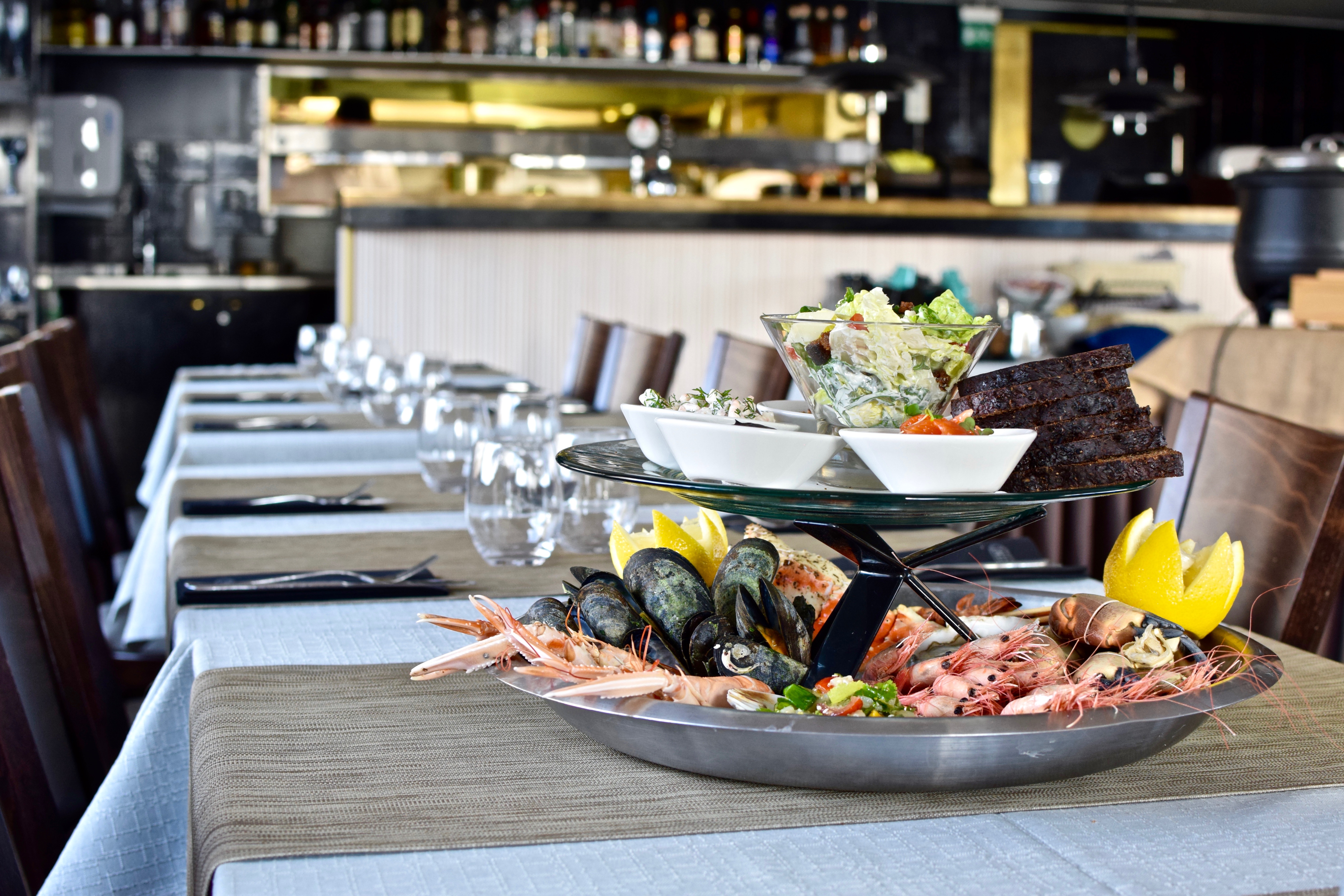
Helsinki has several good options for eating fresh mussels, but the harbour areas and waterfront neighbourhoods consistently offer the best quality. The closer a restaurant sits to the sea and local fishing supply chains, the fresher the mussels on your plate are likely to be. Below, we answer the most common questions about finding and enjoying mussels in Helsinki.
Where do Helsinki restaurants source their fresh mussels?
Most Helsinki restaurants sourcing genuinely fresh mussels rely on a combination of local Finnish fishers, Scandinavian aquaculture farms, and specialist seafood suppliers. The best seafood restaurants maintain direct relationships with local fishers who deliver their catch daily, meaning the mussels you eat may have been harvested from Baltic or Nordic waters just hours before reaching your table.
Finnish mussel production is modest but growing, with farms operating particularly along the western and southwestern coastlines. Many Helsinki restaurants supplement local supply with mussels from Swedish or Danish mussel farms, where cold, clean waters produce shellfish with a clean, briny flavour. The key distinction between a genuinely fresh mussel and one that has spent days in transit is the sourcing relationship a restaurant maintains with its suppliers.
At Merimakasiini, we work closely with local fishers who bring the day’s catch directly to our kitchen in Hietalahti harbour. This direct supply chain is something we take seriously, and it shapes every dish we serve.
What’s the best neighbourhood in Helsinki to find mussels?
The best neighbourhoods to find mussels in Helsinki are the waterfront areas, particularly Hietalahti, the South Harbour, and the Market Square district. These locations cluster around Helsinki’s working and historic harbours, where proximity to the sea translates directly into fresher ingredients and a stronger seafood culture among local restaurants.
The Hietalahti harbour area is especially worth knowing. It retains the character of a working harbour while sitting within easy walking distance of the city centre, and the restaurants there tend to specialise in seafood rather than offering it as an afterthought on a general menu. The Market Square area near Kauppatori is another strong option, particularly during warmer months when the outdoor fish market operates and the connection between sea and plate is at its most visible.
When choosing a neighbourhood, look beyond the tourist-facing streets and seek out restaurants with a genuine harbour setting. A restaurant that looks out over the water is more likely to have the supplier relationships that make fresh mussels possible.
What mussel dishes are typically on Helsinki restaurant menus?
The most common mussel dish on Helsinki restaurant menus is steamed mussels served in a broth, often prepared in a Nordic or classic French style. You will typically find mussels cooked with white wine, garlic, cream, and fresh herbs, served with bread for dipping. Some restaurants also feature mussels as part of a larger seafood platter alongside prawns, oysters, and crab.
Beyond the classic steamed preparation, Helsinki menus increasingly reflect broader Nordic influences. You might encounter mussels prepared with dill, fennel, or smoked butter, reflecting a Scandinavian sensibility that complements the natural sweetness of fresh shellfish. Mussel soup is another common format, particularly during cooler months when hearty, warming dishes dominate the menu.
Seafood platters are a particularly rewarding way to explore what a restaurant does well. A well-composed platter like our Fruits de Mer seafood platter menu gives you a sense of the kitchen’s overall approach to shellfish, and mussels typically anchor these dishes alongside other seasonal catches. If you are visiting a seafood restaurant for the first time, a shared platter is often the most satisfying way to taste a range of what the sea has to offer.
When is the best season to eat mussels in Helsinki?
The best season to eat mussels in Helsinki is autumn and winter, roughly from September through February. During these cooler months, mussels are at their fullest and most flavourful, having spent the warmer months feeding and building up their meat. Cold water conditions also reduce the risk of bacterial growth, making winter mussels both tastier and safer.
The old rule of thumb about eating shellfish only in months containing the letter “R” has a practical basis. Mussels spawn during the warmer summer months, which makes them smaller, less meaty, and more variable in quality. While modern aquaculture and refrigeration have made mussels available year-round, the peak eating experience genuinely falls in the colder half of the year.
That said, Helsinki restaurants serving truly fresh, locally sourced mussels can offer excellent quality outside the traditional peak season too. The key is freshness rather than the calendar alone. If a restaurant has a reliable daily supply from a trusted source, the mussels can be worth ordering in any month.
How do you know if mussels at a restaurant are truly fresh?
You can judge whether restaurant mussels are truly fresh by checking three things: the smell, the shells before cooking, and the texture after cooking. Fresh mussels smell clean and briny, like the sea. They should not have a strong, fishy, or ammonia-like odour. After cooking, the flesh should be plump and tender, not shrunken or rubbery.
Signs of freshness before you eat
If you have the chance to observe mussels before they are cooked, fresh ones should have tightly closed shells or shells that close when tapped. An open mussel that does not close when handled is a sign it has died and should not be eaten. A good restaurant will have already sorted these out, but knowing what to look for helps you assess the kitchen’s standards.
The menu itself can be a useful signal. Restaurants that list their seafood as “today’s catch” or name their suppliers are typically more invested in freshness than those with a static, unchanging menu. A seasonal menu that shifts with what is available locally suggests the kitchen is buying fresh rather than relying on frozen or long-stored stock.
Signs of freshness on the plate
Once the mussels arrive at your table, look at the shells. Most should be open, indicating they cooked properly. Any mussel that remains closed after cooking should be left aside. The broth in a steamed mussel dish is also a good indicator: a well-made broth from fresh mussels will be clear, fragrant, and naturally sweet, not murky or overly salted to mask inferior ingredients.
Plump, glistening flesh that fills the shell is the hallmark of a mussel at its best. If the meat looks small, pale, or shrivelled relative to the shell, the mussels were either past their prime or not stored correctly. Trusting a restaurant with a genuine seafood focus and a direct connection to local supply is ultimately the most reliable way to ensure you are eating mussels at their freshest.