If you are looking for the best place to eat mussels in Helsinki in 2026, Merimakasiini at Hietalahti Harbour is the standout choice for anyone who values freshness, atmosphere, and genuine seafood expertise. Situated a short walk from the city centre, we have been serving the finest fish and shellfish since 1986, with direct relationships with local fishermen that keep quality consistently high. Below, we answer the most common questions about eating mussels in Helsinki so you can plan your visit with confidence.
What makes a great mussel dish at a restaurant?
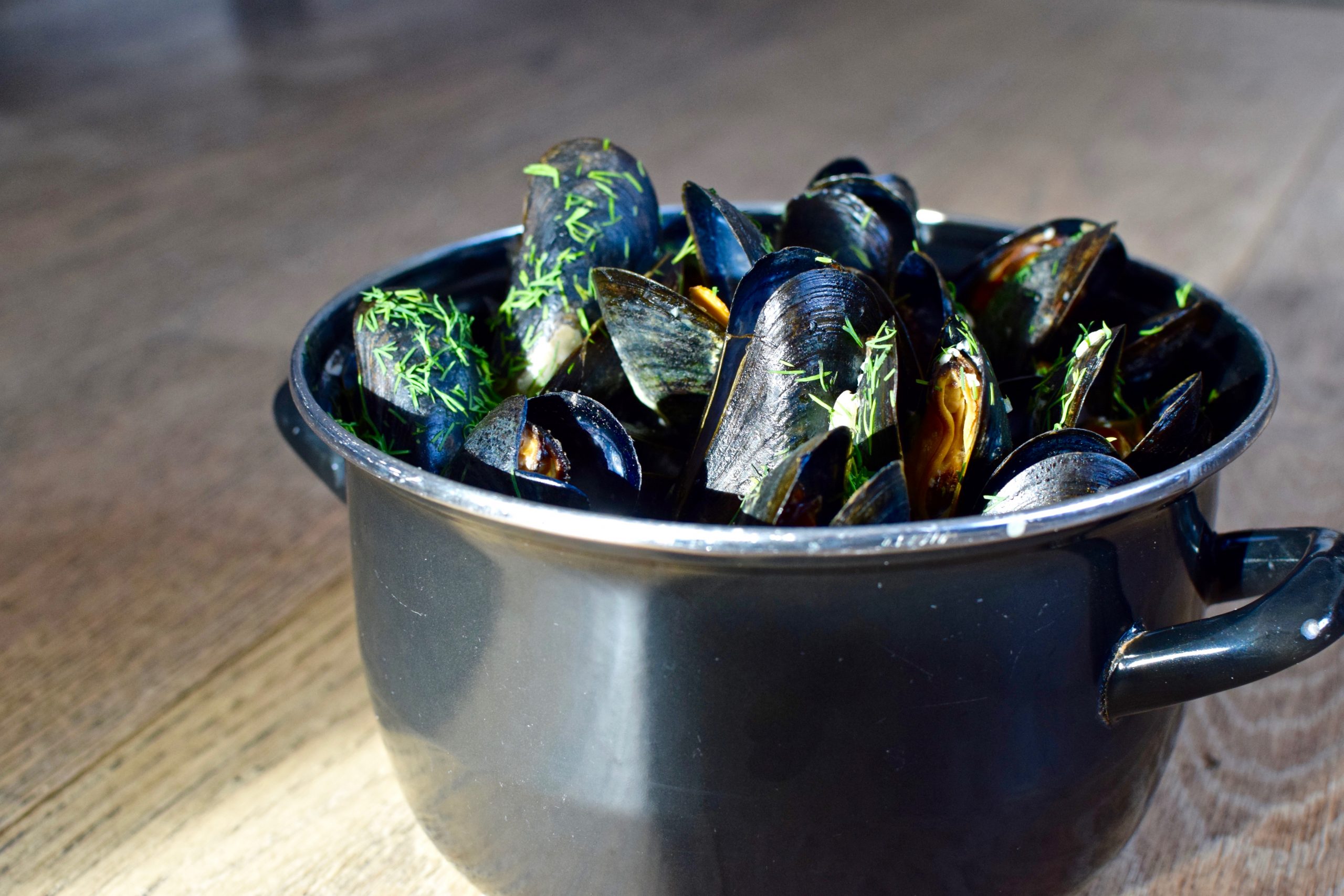
A great mussel dish at a restaurant comes down to three non-negotiable qualities: freshness, proper cooking technique, and a broth that complements rather than overpowers the natural brininess of the shellfish. Mussels that arrive at the table already open before cooking, or that smell overly fishy, are a clear sign of compromised quality. When done right, the dish is light, aromatic, and deeply satisfying.
Freshness is the single most important factor. Mussels are filter feeders that absorb the character of the water they live in, which means Baltic Sea mussels carry a distinct, clean mineral flavour that differs noticeably from farmed Atlantic varieties. The shorter the time between harvest and plate, the more vivid that flavour becomes.
Technique matters just as much. Mussels should be steamed open quickly over high heat, never boiled into rubbery submission. The cooking liquid, whether a classic white wine and shallot base, a cream and herb variation, or something more adventurous, should be served generously because it is often the best part of the dish. Good bread on the side is not an afterthought; it is the tool for finishing every last drop.
Finally, sourcing transparency sets serious seafood restaurants apart from the rest. When a kitchen can tell you where the mussels came from and when they arrived, that is a strong signal of the standards behind the dish.
Where can you eat mussels in Helsinki?
Helsinki has a genuine seafood culture shaped by its coastal geography, and mussels appear on menus across the city, particularly in harbourside restaurants and fish-focused dining rooms. The most rewarding experiences tend to be found at restaurants with direct supplier relationships rather than those relying on standard wholesale chains, because shellfish quality degrades quickly and the supply chain length shows up immediately on the plate.
We at Merimakasiini are proud to be one of Helsinki’s longest-running seafood restaurants, operating from our harbour location in Hietalahti since 1986. Our kitchen works closely with local fishermen who deliver the day’s catch directly to us, which means the mussels and other shellfish we serve are as fresh as it is possible to find in the city. The harbour setting adds a layer of authenticity to the experience that is hard to replicate indoors.
When choosing where to eat mussels in Helsinki, a few practical questions are worth asking: Does the restaurant list the provenance of its shellfish? Does the menu change with the seasons? Is there a knowledgeable front-of-house team that can speak to the day’s catch? Restaurants that answer yes to all three are almost always the better choice for serious seafood dining.
What seafood is Helsinki best known for?
Helsinki is best known for Baltic salmon, herring, and perch, all of which have deep roots in Finnish food culture and appear in everything from everyday home cooking to fine dining menus. Salmon in particular holds a special place, celebrated in dishes ranging from simple cold-smoked preparations to rich, creamy soups that have been refined over decades.
Our salmon soup is perhaps the most emblematic example of this tradition. Prepared using a recipe that has been refined over 30 years, it remains our most popular dish year-round, drawing both locals and visitors who want to experience a genuine Helsinki seafood classic. The soup’s enduring popularity says something meaningful about how deeply salmon is woven into the city’s culinary identity.
Beyond salmon, Helsinki’s seafood reputation extends to shellfish and crustaceans. Crayfish season in late summer is a celebrated cultural event, and dishes like bouillabaisse and the fruits de mer platter, which brings together a generous selection of the day’s finest shellfish, represent the more celebratory end of the city’s seafood tradition. Mussels, while perhaps less iconic than salmon or crayfish, are a natural part of this broader seafood landscape and are at their best when served by kitchens that understand the Baltic’s seasonal rhythms.
When is the best season to eat mussels in Helsinki?
The best season to eat mussels in Helsinki is late summer through early winter, roughly from August to December. During these months, Baltic mussels are at their plumpest and most flavourful, having spent the warmer months feeding actively. Cold water slows their metabolism and concentrates their flavour, which is why autumn and early winter mussels are particularly prized by chefs and knowledgeable diners alike.
The old guidance of eating shellfish only in months containing the letter “r” (September through April) has a practical basis rooted in water temperature and spawning cycles. During spawning in late spring and early summer, mussels become lean and lose much of their characteristic richness. While modern aquaculture and refrigeration have extended the practical availability of mussels year-round, the flavour argument for the colder months remains sound.
In Helsinki specifically, the Baltic environment adds another dimension. The sea here is less saline than the Atlantic, which gives local mussels a milder, cleaner taste profile. Paired with the cold, clear water of a Finnish autumn, the result is shellfish that is delicate rather than aggressively briny, which suits the lighter, herb-forward cooking styles common in Nordic seafood kitchens.
If you are planning a visit to Helsinki with mussels specifically in mind, September through November represents the sweet spot where seasonal availability, flavour quality, and a cosy indoor dining atmosphere all align.
What should you order alongside mussels at a Helsinki seafood restaurant?
At a Helsinki seafood restaurant, the best accompaniments to mussels are crusty bread, a light salad, and a well-chosen glass of white wine or crisp lager. The bread is essential for the broth, the salad provides textural contrast, and a cold, acidic drink cuts through the richness of cream-based preparations or lifts the minerality of a wine-steamed version.
If you are building a fuller meal around mussels as a starter, consider what follows on the menu rather than what surrounds them. Mussels are a relatively light opening, which makes them a natural lead-in to something more substantial. At a harbour restaurant like ours, moving from mussels to a classic fish main, perhaps a grilled Baltic perch or a bowl of our legendary salmon soup, creates a progression that feels coherent and genuinely Nordic in character.
For drinks, a dry Muscadet or an unoaked Chablis are the textbook pairings for steamed mussels in a white wine broth, but a well-made Finnish craft lager or even a cold glass of sparkling water with lemon works beautifully if you prefer to keep things simple. The goal is always to complement the delicate flavour of the shellfish rather than compete with it.
One practical tip worth keeping in mind: if the menu offers a sharing platter that combines mussels with other shellfish, such as a fruits de mer selection, this is often the most rewarding way to explore a seafood restaurant’s range in a single sitting. It gives you a sense of the kitchen’s sourcing quality across multiple species, which tells you far more about the restaurant’s standards than any single dish can. Reserve your table at Merimakasiini to experience Helsinki’s finest seafood for yourself.