Archives

How do you find a lunch spot with a seaside terrace in Helsinki?

The best seaside terrace lunch spots in Helsinki are located along the harbor areas, particularly in Hietalahti, Market Square, and Kaivopuisto, where restaurants offer waterfront dining with panoramic sea views. These locations combine fresh seafood cuisine with outdoor terraces that overlook the Baltic Sea, creating an ideal setting for lunch with a maritime atmosphere just steps from the city center.

Helsinki’s unique coastal location provides numerous opportunities for waterfront dining, with terraces that capture both the city’s urban energy and the calming presence of the sea. The key is knowing what to look for and where to find the most authentic seaside dining experiences.

What makes a good seaside terrace restaurant in Helsinki?

A quality seaside terrace restaurant in Helsinki combines unobstructed water views, fresh local ingredients, and weather-appropriate outdoor seating that enhances rather than competes with the natural harbor setting. The best establishments prioritize seasonal menus featuring Baltic Sea seafood while providing comfortable outdoor dining spaces that work with Finland’s variable weather conditions.

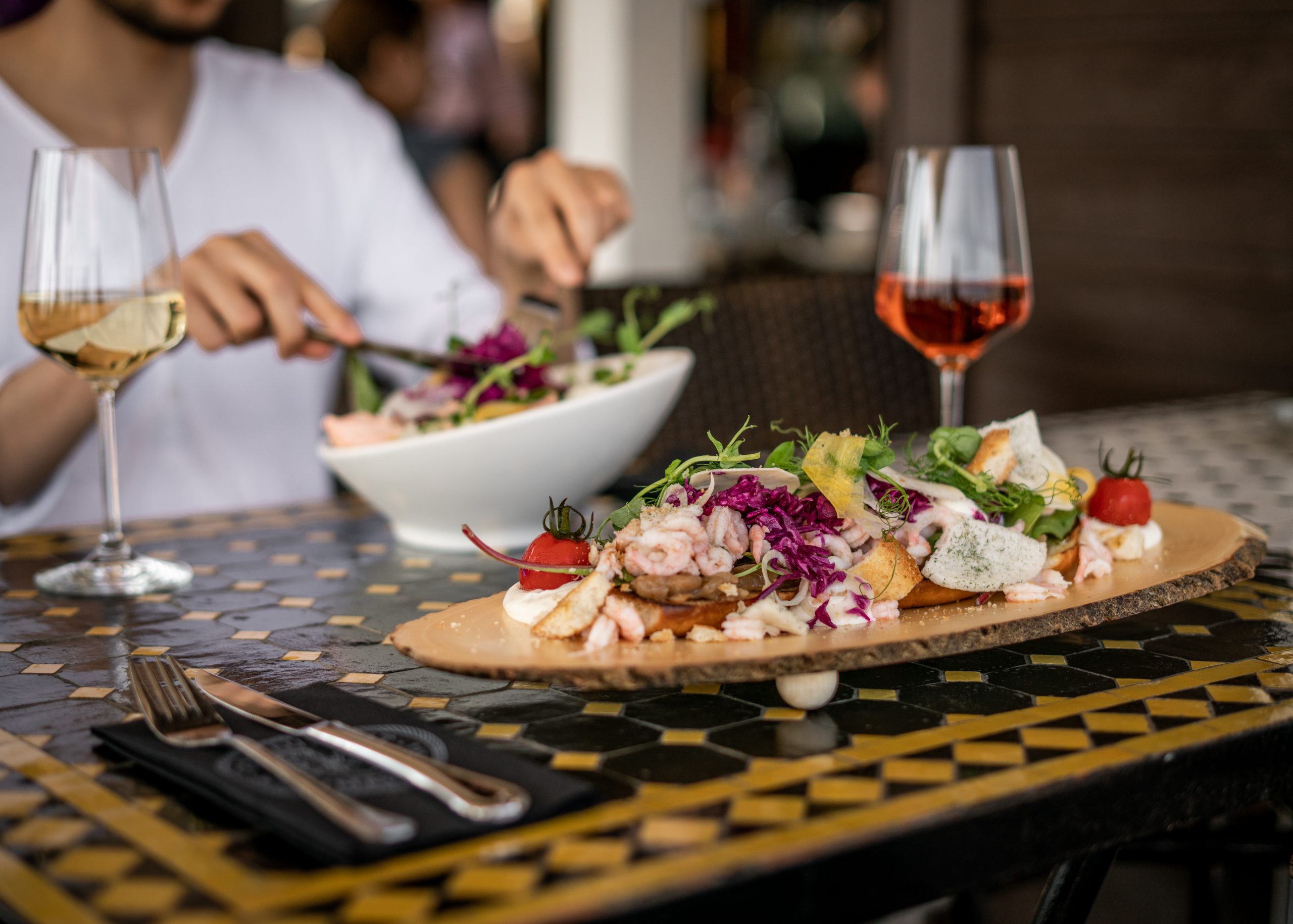
The most important factor is the view itself. Authentic seaside dining means panoramic sightlines to the water, not just glimpses between buildings. Look for terraces positioned directly on the waterfront where the sea becomes an integral part of the dining experience. Large windows that can open completely help blur the line between indoor and outdoor spaces, essential for Helsinki’s unpredictable weather.

Menu quality distinguishes exceptional seaside restaurants from tourist traps. The best establishments maintain relationships with local fishermen, ensuring daily catches reach your plate within hours of being pulled from Baltic waters. This connection to local sourcing creates menus that change with the seasons and highlight regional specialties that you cannot find elsewhere.

Atmosphere matters equally. Genuine seaside restaurants embrace their maritime setting through thoughtful design elements like weathered wood, nautical touches, and historical photographs that tell the story of Helsinki’s relationship with the sea. The goal is to create a space that feels naturally connected to its waterfront location.

Where are the best harbor view terraces located in Helsinki?

Helsinki’s prime harbor view terraces cluster in three main areas: Hietalahti harbor district, Market Square waterfront, and the Kaivopuisto park coastline. Each location offers distinct advantages, with Hietalahti providing the most authentic working harbor atmosphere, Market Square delivering central accessibility, and Kaivopuisto offering parkland coastal dining.

Hietalahti stands out as Helsinki’s most atmospheric harbor dining destination. This historic area maintains its authentic maritime character while housing restaurants that specialize in fresh seafood. The harbor setting provides working boat activity and genuine nautical ambiance that many other waterfront areas have lost to development.

Market Square represents Helsinki’s most accessible waterfront dining, positioned at the heart of the city where ferries, tour boats, and local fishermen create constant harbor activity. The terraces here benefit from a central location and easy public transport access, though they tend toward more tourist-focused offerings.

Kaivopuisto offers a different perspective, combining parkland tranquility with coastal views. These terraces provide more relaxed settings away from commercial harbor activity, ideal for leisurely lunches with expansive sea views. The area works particularly well during summer months when the park setting enhances the outdoor dining experience.

We have found that Hietalahdenranta offers the perfect balance of authentic harbor atmosphere and culinary excellence, where our terrace provides uninterrupted views of the working harbor while maintaining the peaceful setting essential for memorable dining. To experience this exceptional waterfront dining yourself, book a table and discover why our harbor location creates such unforgettable dining moments.

How do you check if a seaside restaurant has outdoor seating available?

Check restaurant websites for terrace information and current weather policies, call directly to confirm outdoor seating availability, and consider making reservations that specify a terrace preference, especially during peak summer months when waterfront tables fill quickly. Most Helsinki seaside restaurants operate seasonal outdoor seating from May through September, weather permitting.

Start with the restaurant’s official website, which typically features terrace photos and seasonal operating information. Look for specific mentions of outdoor dining policies, weather contingencies, and reservation requirements. Many establishments post real-time updates about terrace availability on their social media channels, particularly during unpredictable weather periods.

Direct phone contact provides the most reliable information about current conditions and availability. Restaurant staff can advise on the weather outlook, terrace capacity, and whether reservations guarantee outdoor seating or simply priority access. This conversation also allows you to understand their backup plans for weather changes.

Timing significantly impacts terrace availability. Weekday lunches generally offer better outdoor seating access than weekend peak hours. Late spring and early autumn provide excellent terrace conditions with fewer crowds, while midsummer requires advance planning for popular waterfront spots.

Consider backup options when planning terrace dining. The best seaside restaurants offer indoor spaces with large windows that maintain water views even when weather forces dining inside. This flexibility ensures your harbor dining experience continues regardless of Helsinki’s changeable conditions.

What should you expect from Helsinki’s waterfront dining experience?

Helsinki waterfront dining delivers fresh Baltic seafood, a maritime atmosphere with working harbor views, and seasonal outdoor terraces that operate primarily from late spring through early autumn. Expect higher prices than inland restaurants, weather-dependent seating, and menus that emphasize local fish species and traditional Finnish coastal cuisine.

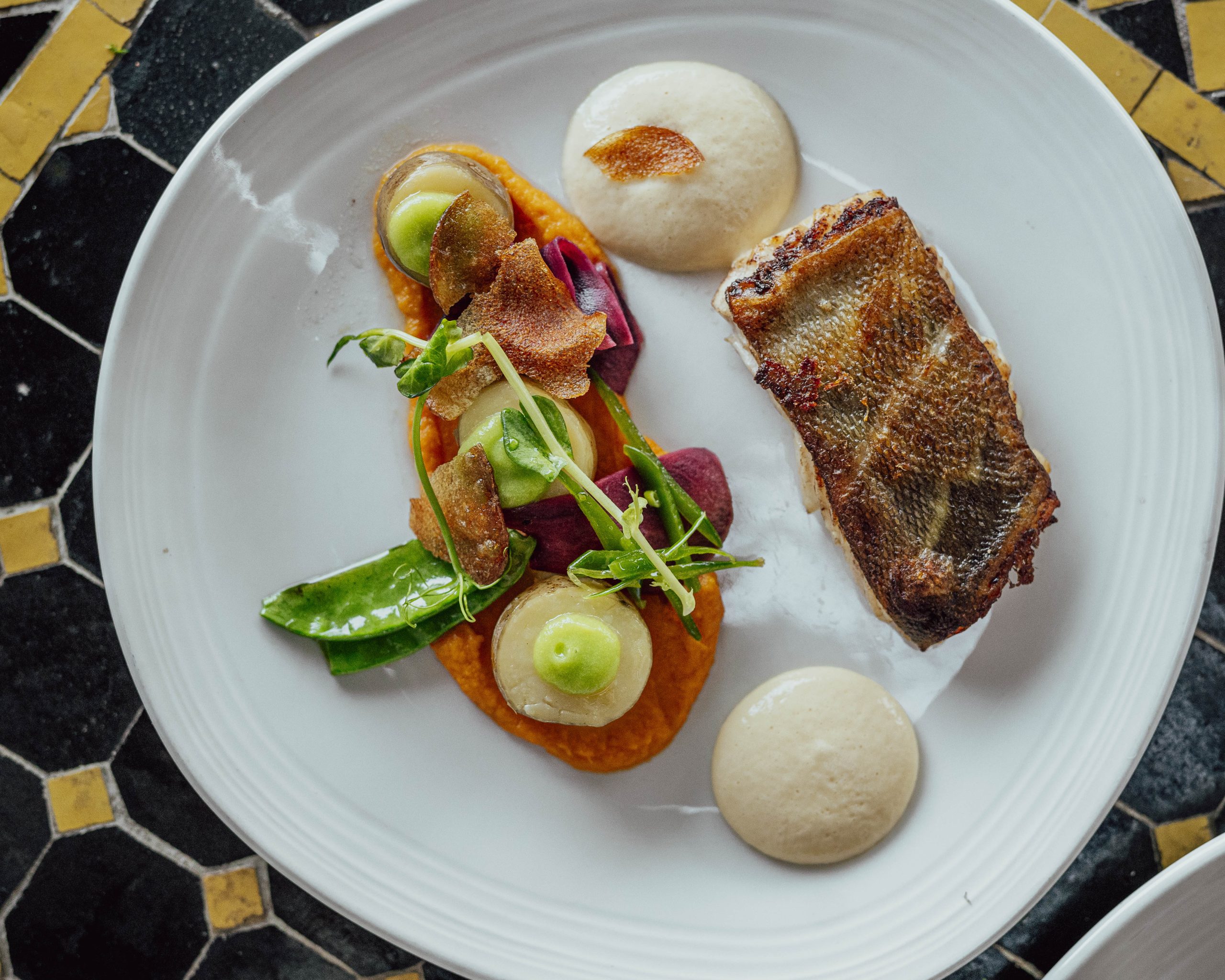
The culinary focus centers on Baltic Sea specialties that reflect Helsinki’s coastal heritage. Daily fish selections change based on local catches, with salmon, perch, pike-perch, and herring featuring prominently. Traditional preparations like fish soups, smoked selections, and seasonal preparations showcase techniques passed down through generations of Finnish coastal cooking.

Service typically reflects Finnish efficiency and maritime hospitality. Staff understand local seafood and can guide menu selections based on daily availability and preparation methods. The pace tends toward relaxed enjoyment rather than rushed turnover, encouraging diners to savor both food and harbor views.

Weather plays a central role in waterfront dining expectations. Summer terraces operate in full swing with extended daylight hours that can stretch dining well into the evening. Spring and autumn offer quieter experiences with crisp air and dramatic lighting, while winter dining moves indoors with harbor views through large windows.

Pricing reflects the premium location and quality ingredients, with waterfront restaurants generally commanding higher prices than city center establishments. However, the combination of fresh local seafood, harbor views, and an authentic maritime atmosphere creates value that extends beyond simple cost comparison.

The overall experience emphasizes connection to Helsinki’s maritime identity. Whether enjoying lunch on a sunny terrace or dinner with harbor lights reflecting on the water, waterfront dining provides insight into how the sea continues to shape Finnish capital city life and cuisine.

When is perch at its peak in Finnish waters?

Perch reaches its peak quality in Finnish waters during late spring and early summer, typically from May through July, when the fish have recovered from spawning and are actively feeding in warming waters. This timing coincides with optimal water temperatures and abundant food sources that enhance the fish’s flavor, texture, and nutritional value. Understanding these seasonal patterns helps both anglers and restaurants serve perch when it delivers the most exceptional dining experience.

When is perch season in Finnish waters?

Perch season in Finnish waters runs from late April through September, with peak quality occurring from May to July. The season begins when the ice melts and water temperatures rise above 4°C, triggering increased perch activity after their winter dormancy.

The spawning period typically occurs in April and early May when water temperatures reach 6-8°C. During this time, perch gather in shallow, weedy areas to reproduce, making them easier to locate but often resulting in lower meat quality due to the stress of spawning. Post-spawn recovery begins in late May, marking the start of prime perch season.

Summer months offer the most consistent fishing, as perch actively feed throughout the water column. They become particularly aggressive during early morning and evening hours when temperatures are cooler. As autumn approaches in September, perch begin preparing for winter by feeding heavily, though their behavior becomes less predictable as water temperatures drop.

What makes perch quality peak at certain times?

Perch quality peaks when fish have optimal fat content, firm flesh texture, and clean flavor profiles, which occurs during active feeding periods in late spring and summer. Water temperature, food availability, and the fish’s reproductive cycle all directly influence these quality factors.

During peak season, perch develop higher fat content as they feed on abundant zooplankton, small fish, and aquatic insects. This increased fat content enhances flavor while maintaining the delicate, sweet taste perch is known for. Active feeding also promotes firm, white flesh with excellent texture that holds together well during cooking.

Water quality plays a crucial role in flavor development. Cleaner, well-oxygenated water during warmer months eliminates the muddy taste that can occur in stagnant winter conditions. The fish’s metabolism increases with warmer temperatures, promoting better muscle development and reducing any off-flavors that might accumulate during the slower winter months.

How does perch season differ between lakes and Baltic Sea?

Baltic Sea perch season typically starts earlier and extends longer than lake perch season due to the sea’s more stable temperatures and higher salinity levels. Sea perch also tend to grow larger and develop different flavor characteristics compared to their freshwater counterparts.

In Finnish lakes, perch season is more compressed, with ice-out occurring later in spring and freeze-up beginning earlier in autumn. Lake temperatures fluctuate more dramatically, creating shorter windows of optimal conditions. However, lake perch often develop more concentrated flavors due to their varied diet and the specific mineral content of individual water bodies.

Baltic Sea perch benefit from the sea’s thermal mass, which moderates temperature swings and extends the active feeding season. The brackish water environment also influences their diet, as they feed on different prey species, including marine invertebrates. This results in perch with slightly different flavor profiles and often larger average sizes. We notice these distinctions when sourcing perch from local Baltic fishermen, as the sea varieties often provide more consistent quality throughout the extended season.

What are the signs that perch is at its peak quality?

Peak quality perch displays bright, clear eyes, vibrant coloration with distinct dark stripes, firm flesh that springs back when pressed, and fresh, clean-smelling gills that are bright red or pink. The fish should feel heavy for its size and show no signs of soft spots or discoloration.

Visual indicators include scales that lie flat against the body with a natural shine, and fins that appear intact without fraying or damage. The characteristic green-yellow coloration with dark vertical stripes should be vivid rather than faded, indicating the fish was active and healthy when caught.

Fresh perch should have minimal fishy odor, instead smelling like clean water or seaweed if caught from the Baltic. The flesh should be translucent white rather than opaque, and when filleted, should maintain its structure without falling apart. Gills provide another quality indicator, remaining bright red and free from brown or gray discoloration that signals deterioration.

Why do Finnish restaurants time their perch menus seasonally?

Finnish restaurants time their perch menus seasonally to showcase the fish when it offers the best flavor, texture, and value, ensuring customers experience perch at its absolute peak while supporting sustainable fishing practices. This timing also aligns with traditional Finnish culinary culture that celebrates seasonal ingredients.

Quality-focused establishments understand that serving perch during peak season creates memorable dining experiences that keep customers returning. The superior taste and texture during prime months justify premium pricing while building a reputation for excellence. Restaurants that ignore seasonal timing risk serving inferior product that disappoints diners and damages their seafood credibility.

Seasonal menu planning also supports local fishing communities by creating demand during peak harvest periods when fish are most abundant. This approach reduces pressure on fish populations during spawning and recovery periods, contributing to long-term sustainability. Additionally, seasonal availability creates anticipation among diners, making perch dishes feel special and worth seeking out during their limited availability window. For those eager to experience peak-season perch prepared by expert chefs, you can book a table at establishments that specialize in showcasing Finnish waters’ finest seasonal catches.

Should tourists visit Hietalahti market area in summer?

Yes, tourists should absolutely visit the Hietalahti market area in summer, as it offers one of Helsinki’s most charming waterfront experiences with unique shopping, dining, and harbor views just minutes from the city center. The combination of the historic flea market, scenic harbor setting, and authentic Finnish maritime atmosphere makes it particularly appealing during the warmer months when outdoor activities and terrace dining are at their peak.

Summer transforms this historic harbor district into a vibrant hub where visitors can experience authentic Helsinki culture while enjoying the extended daylight hours and pleasant weather that make outdoor exploration so rewarding.

What is the Hietalahti market area and why is it popular in summer?

The Hietalahti market area is a historic harbor district in Helsinki featuring Finland’s largest flea market, waterfront restaurants, and scenic marina views, located just a short walk from the city center. During summer, the area becomes particularly vibrant as the famous Hietalahti flea market operates at full capacity, outdoor dining flourishes, and the harbor comes alive with boat activity.

The district’s appeal stems from its authentic maritime character, which has evolved from its origins as a busy shipyard into one of Helsinki’s most beloved cultural destinations. The Hietalahti flea market, operating since the early 20th century, draws both locals and tourists seeking vintage Finnish design items, antiques, and unique finds that reflect the country’s cultural heritage.

Summer weather enhances every aspect of the Hietalahti experience. The extended daylight hours, often lasting until late evening, provide ample time for leisurely exploration. The harbor’s waterfront promenades become perfect for strolling, while the numerous outdoor seating areas at restaurants and cafes allow visitors to fully appreciate the scenic maritime setting. The combination of cultural shopping, waterfront dining, and harbor atmosphere creates a distinctly Helsinki experience that captures the essence of Finnish summer living.

What can tourists do in Hietalahti during summer months?

Tourists can browse the famous Hietalahti flea market for vintage Finnish design and antiques, enjoy waterfront dining with harbor views, take scenic walks along the marina, and experience authentic Finnish maritime culture in a historic setting. The summer months offer the best conditions for all these activities with extended daylight and pleasant weather.

The Hietalahti flea market serves as the area’s main attraction, where visitors can discover everything from classic Finnish glassware and ceramics to vintage clothing and maritime artifacts. The market’s outdoor setting becomes particularly enjoyable during summer, allowing for comfortable browsing through the diverse collection of stalls and vendors.

Harbor walks provide another compelling summer activity, as the waterfront promenades offer stunning views of boats, historic architecture, and the broader Helsinki skyline. The marina atmosphere becomes especially lively during summer months, with increased boat traffic and outdoor events that showcase the area’s maritime heritage.

Dining experiences reach their peak during summer when restaurants can fully utilize their outdoor terraces and waterfront locations. The combination of fresh sea air, harbor views, and seasonal menus featuring the finest local ingredients creates memorable culinary experiences that reflect the best of Finnish coastal culture.

How does Hietalahti compare to other Helsinki tourist areas in summer?

Hietalahti offers a more authentic, local experience compared to Helsinki’s main tourist areas, providing genuine maritime culture and unique shopping opportunities without the crowds typically found at Market Square or Senate Square. The area maintains its working harbor character while offering sophisticated dining and cultural experiences.

Unlike the more commercialized central tourist zones, Hietalahti retains its neighborhood authenticity, where locals genuinely shop, dine, and socialize alongside visitors. This creates a more immersive cultural experience, allowing tourists to observe and participate in actual Finnish daily life rather than experiencing a sanitized tourist version of the city.

The shopping experience at Hietalahti differs significantly from Helsinki’s main shopping districts. While areas like Esplanadi focus on international brands and luxury goods, Hietalahti’s flea market offers genuine Finnish vintage items, antiques, and locally-made crafts that provide authentic cultural souvenirs and insights into Finnish design heritage.

The dining scene in Hietalahti emphasizes fresh, local ingredients and maritime specialties, particularly seafood sourced directly from local waters. This focus on regional cuisine and seasonal ingredients provides a more authentic taste of Finnish culinary culture compared to the more international restaurant offerings found in central Helsinki tourist areas.

Where should tourists eat in the Hietalahti area during summer?

For an authentic maritime dining experience in Hietalahti, tourists should visit restaurants that specialize in fresh, locally-sourced seafood and offer waterfront terraces to fully appreciate the harbor setting during summer months. The area’s dining establishments focus on seasonal Finnish cuisine that showcases the best of Baltic Sea ingredients.

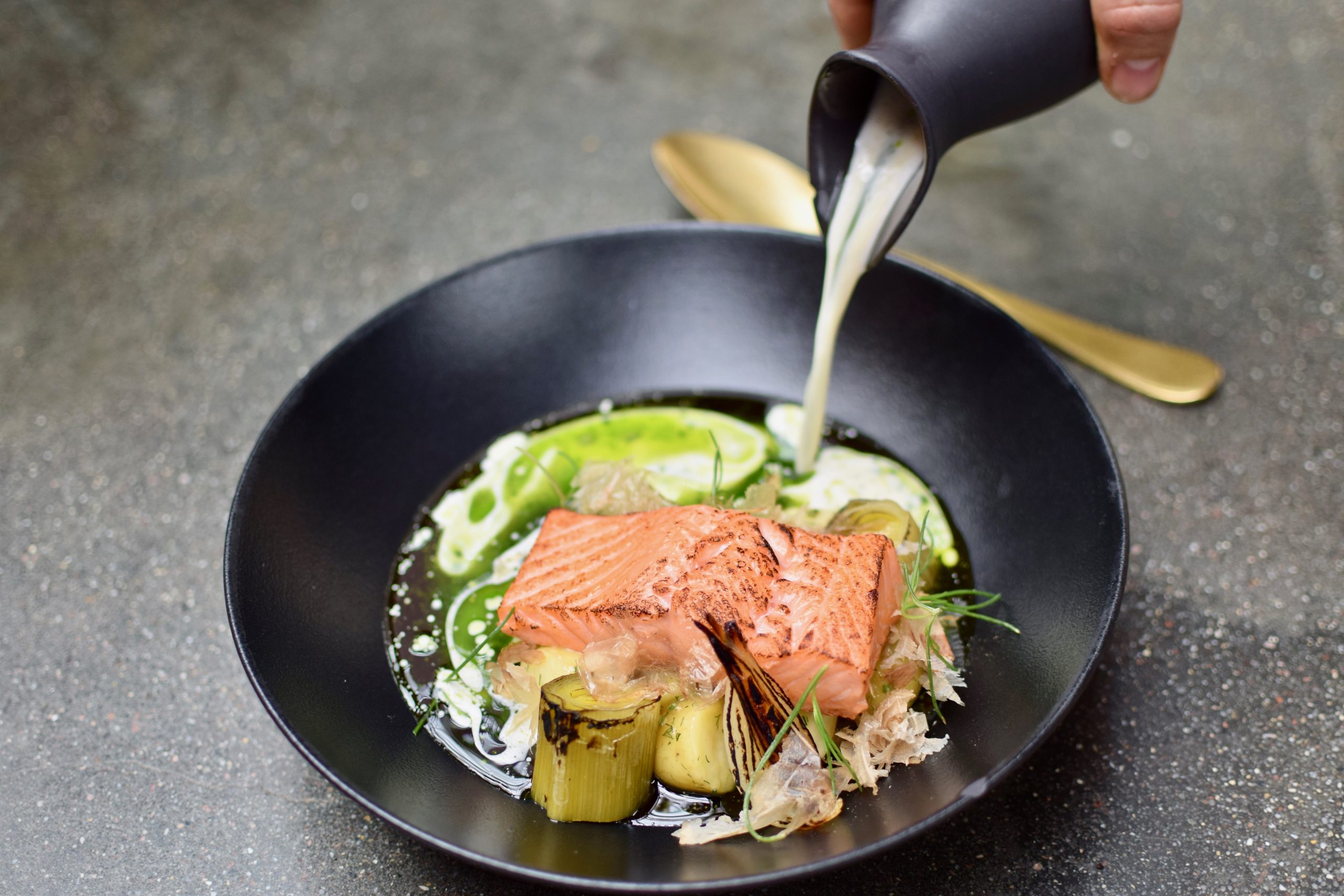
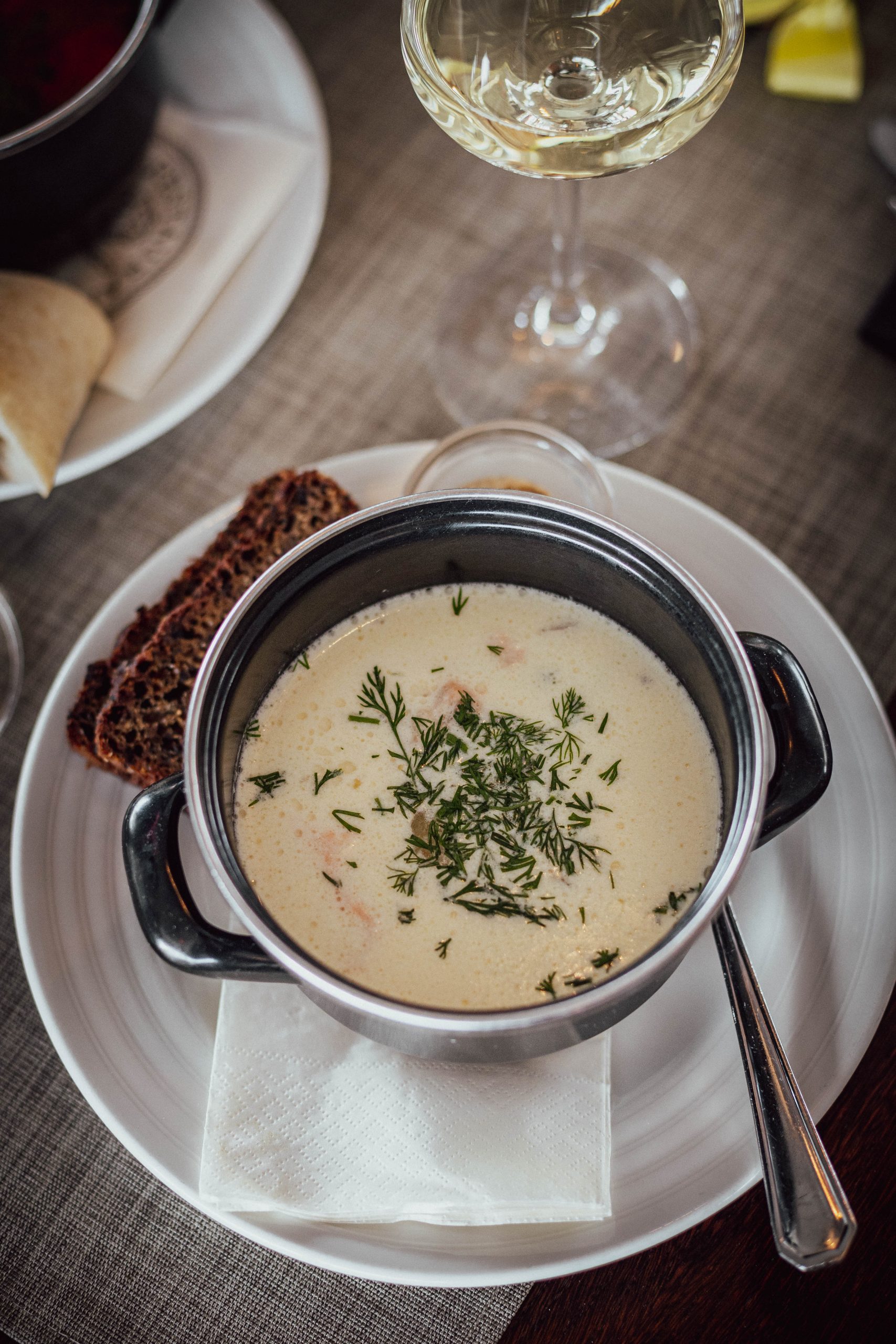
We at Merimakasiini have been serving the freshest seafood in this beautiful harbor setting since 1986, maintaining close relationships with local fishermen who deliver their daily catch directly to our kitchen. Our summer terrace provides panoramic harbor views, while our menu features legendary dishes like our secret-recipe salmon soup that has been perfected over 30 years, alongside seasonal specialties that highlight the finest Baltic Sea ingredients. To experience this exceptional waterfront dining, book a table and secure your spot for an unforgettable maritime culinary experience.

The key to exceptional dining in Hietalahti lies in choosing establishments that prioritize freshness and local sourcing. The area’s proximity to active fishing operations means that restaurants can offer seafood that was swimming in Baltic waters just hours before reaching the plate. This commitment to freshness, combined with traditional Finnish preparation methods, creates dining experiences that truly capture the essence of Finnish coastal cuisine.

Summer dining in Hietalahti becomes particularly special when restaurants can offer outdoor seating with harbor views. The combination of fresh sea air, scenic maritime surroundings, and expertly prepared local seafood creates memorable meals that reflect the best of Finnish summer dining culture.

How do you get to Hietalahti market area from Helsinki center?

The Hietalahti market area is easily accessible from Helsinki center via a pleasant 10-15 minute walk, tram lines 6 and 9, or bus routes that stop near the harbor district. The most scenic route involves walking along the waterfront from the Market Square area, providing beautiful coastal views along the way.

Walking remains the most popular option for tourists, as the route from central Helsinki to Hietalahti passes through several interesting neighborhoods and offers opportunities to experience the city’s maritime character. The walk typically takes visitors along Hietalahdenranta street, which runs directly along the waterfront and provides continuous harbor views.

Public transportation offers convenient alternatives, particularly for visitors carrying purchases from the flea market or those preferring not to walk. Tram lines provide frequent service throughout the day, while bus connections ensure accessibility regardless of weather conditions. The public transportation system integrates well with Helsinki’s tourist day passes, making it cost-effective for visitors exploring multiple areas of the city.

The accessibility of Hietalahti contributes significantly to its appeal as a tourist destination. Unlike some waterfront areas that require extensive travel from city centers, Hietalahti’s proximity to Helsinki’s core allows visitors to easily incorporate it into broader city exploration plans, whether for a quick market visit or an extended dining and cultural experience.

What are the best summer activities for tourists in Helsinki?

Helsinki offers exceptional summer activities, including waterfront attractions, island exploration, outdoor adventures in numerous parks, and authentic Finnish cultural experiences. The city’s unique archipelago setting provides endless opportunities for maritime activities, while its green spaces and vibrant food scene showcase the best of Nordic summer culture. From harbor dining to island hopping, Helsinki transforms into a summer paradise that perfectly balances urban sophistication with natural beauty.

What are the must-visit waterfront attractions in Helsinki during summer?

Helsinki’s waterfront attractions include Market Square, Suomenlinna Sea Fortress, the harbor promenades, and numerous seaside restaurants offering panoramic Baltic Sea views. These locations provide the perfect combination of cultural experiences, historical significance, and stunning maritime scenery that defines Helsinki’s summer appeal.

Market Square serves as the heart of Helsinki’s waterfront activity, where visitors can browse local crafts, sample fresh berries, and watch the constant flow of ferries departing for the archipelago. The square’s proximity to the harbor creates an authentic atmosphere where the sounds of seagulls mix with the chatter of vendors selling everything from reindeer hides to traditional Finnish design items.

The harbor promenades extend in both directions from Market Square, offering peaceful walking paths with unobstructed sea views. These walkways connect various districts and provide access to waterfront dining establishments. The Hietalahti harbor area particularly stands out for its combination of maritime history and contemporary dining culture, where visitors can enjoy fresh seafood while watching boats navigate the calm waters.

Suomenlinna Sea Fortress, accessible by a short ferry ride, represents one of Helsinki’s most significant waterfront attractions. This UNESCO World Heritage site offers historical exploration combined with spectacular views back toward the city skyline. The fortress islands provide walking trails, museums, and picnic areas that showcase Helsinki’s strategic maritime importance throughout history.

How do you explore Helsinki’s islands and archipelago in summer?

Helsinki’s archipelago exploration involves ferry services, private boat rentals, organized island tours, and kayaking adventures that connect visitors to over 300 islands within easy reach of the city center. The HSL ferry system provides regular connections to major islands, while specialized tour operators offer deeper archipelago experiences.

The public ferry system operates frequent connections to popular islands like Suomenlinna, Vallisaari, and Lonna throughout the summer months. These ferries depart from Market Square and provide an affordable way to experience multiple islands in a single day. Each island offers distinct characteristics, from Vallisaari’s pristine nature trails to Lonna’s contemporary art installations and dining facilities.

Private boat rentals and charter services allow for more flexible archipelago exploration, enabling visitors to discover smaller, uninhabited islands that showcase the raw beauty of the Baltic Sea environment. Many rental companies provide basic navigation training and safety equipment, making island hopping accessible even for inexperienced boaters.

Kayaking represents perhaps the most intimate way to explore the archipelago, allowing paddlers to navigate narrow channels between islands and access secluded beaches impossible to reach by larger vessels. Guided kayak tours often include stops for swimming, picnicking, and learning about the archipelago’s unique ecosystem and geological formation.

What outdoor activities and parks should tourists prioritize in summer Helsinki?

Priority outdoor activities in summer Helsinki include exploring Esplanadi Park, cycling through Suomenlinna, swimming at Hietaniemi Beach, and hiking in Central Park, along with numerous waterfront jogging paths and outdoor fitness areas. These locations offer diverse experiences, from urban green spaces to natural wilderness areas within the city limits.

Esplanadi Park forms the green heart of Helsinki’s city center, providing a perfect venue for picnicking, people-watching, and attending outdoor concerts. The park’s tree-lined promenades connect major shopping districts while offering shaded rest areas and regular cultural events throughout the summer season. Street performers and outdoor cafes create a vibrant atmosphere that captures the essence of Finnish summer urban life.

Central Park extends from the city center northward, offering over 10 kilometers of hiking and cycling trails through varied terrain, including forests, meadows, and rocky outcrops. This extensive green corridor provides an escape from urban density while remaining easily accessible by public transportation. The park’s network of trails accommodates different fitness levels and interests, from casual walking paths to challenging mountain bike routes.

Hietaniemi Beach and other coastal swimming areas provide refreshing relief during warm summer days, with designated swimming zones, changing facilities, and nearby cafes. The beach culture in Helsinki emphasizes relaxation and social interaction, with many locals gathering for volleyball games, beach picnics, and evening swims during the extended daylight hours of Nordic summer.

Where can tourists experience authentic Finnish summer culture and food?

Authentic Finnish summer culture and food experiences center around traditional markets, waterfront restaurants specializing in seasonal seafood, summer festivals, and outdoor dining establishments that showcase Nordic culinary traditions using fresh, local ingredients. These venues emphasize the connection between Finnish culture and its maritime environment.

Traditional markets like Hakaniemi Market Hall and outdoor market squares provide insight into Finnish food culture through locally sourced produce, artisanal products, and seasonal specialties. Summer markets feature fresh berries, new potatoes, and various fish preparations that reflect the season’s abundance. Vendors often provide samples and explain traditional preparation methods, creating educational opportunities alongside shopping experiences.

Waterfront restaurants play a crucial role in Finnish summer dining culture, emphasizing fresh seafood and seasonal ingredients that celebrate the country’s maritime heritage. We at Merimakasiini exemplify this tradition, offering dishes prepared with fish caught in Baltic waters just hours before serving, creating an authentic connection between the sea and the plate. The emphasis on ingredient freshness and traditional preparation methods represents core values of Finnish culinary culture. For visitors seeking to experience this authentic waterfront dining atmosphere, they can book a table to enjoy the finest Baltic seafood while overlooking Helsinki’s beautiful harbor.

Summer festivals throughout Helsinki showcase traditional Finnish music, dance, and food customs that have evolved over centuries. These events often feature traditional foods like grilled fish, new potatoes with dill, and various berry preparations that highlight seasonal ingredients. Festival atmospheres encourage social interaction and cultural exchange, providing visitors with immersive experiences of Finnish summer traditions.

Outdoor dining culture flourishes during Helsinki’s summer months, with restaurant terraces and harbor-side establishments creating social spaces that maximize the brief but intense Nordic summer season. The practice of extending meals and social gatherings well into the evening hours reflects the Finnish appreciation for summer’s precious daylight and warmth.

Can you find good lunch places with terraces near Hietalahti market?

Yes, you can find excellent lunch places with terraces near Hietalahti market, particularly along the harbor area where restaurants offer outdoor seating with beautiful waterfront views. The Hietalahdenranta district features several establishments that combine quality dining with scenic terrace experiences, making it an ideal spot for al fresco lunch dining in Helsinki. This area provides easy access to both the market atmosphere and peaceful harbor-side dining within walking distance of the city center.

What lunch options are available near Hietalahti market?

Near Hietalahti market, lunch options range from casual harbor-side dining to more refined seafood experiences, with many establishments focusing on fresh, locally sourced ingredients. The area particularly excels in seafood offerings, given its proximity to the harbor and fishing community connections.

The lunch scene around Hietalahti market benefits from the area’s maritime heritage, with restaurants often featuring daily catches from local fishermen. Many establishments in the Hietalahdenranta area serve lunch menus that highlight seasonal ingredients, with seafood naturally taking center stage due to the harbor location.

Lunch timing in this area typically runs from 11:30 AM to 3:00 PM, with many restaurants offering both à la carte options and lunch specials. The proximity to both the market and the harbor means you can easily combine market browsing with a leisurely lunch, making it a popular choice for both locals and visitors exploring Helsinki’s waterfront districts.

Which restaurants have the best terraces overlooking the harbor?

The best harbor-view terraces near Hietalahti market are found along Hietalahdenranta, where restaurants position their outdoor seating to maximize panoramic views of the harbor and marina. These terraces offer unobstructed sightlines across the water, creating an immersive maritime dining experience.

Restaurants in this area design their terraces to take full advantage of the natural harbor setting, with many featuring large windows that can open completely during warmer months, effectively extending the indoor space onto the waterfront. The positioning along the harbor’s edge allows diners to watch boat traffic, enjoy sea breezes, and experience the changing light throughout the day.

We at Merimakasiini have cultivated our terrace specifically to showcase these harbor views, creating a space where the water becomes an integral part of the dining atmosphere. The terrace design emphasizes the connection to the sea, allowing guests to feel immersed in the maritime environment while enjoying their meal. To experience our waterfront terrace dining, you can book a table and secure your harbor-view seating.

How do you find terrace restaurants that serve quality seafood?

Quality seafood terrace restaurants near harbors typically maintain direct relationships with local fishermen and emphasize daily fresh catches on their menus. Look for establishments that display daily specials based on what’s been caught that morning, as this indicates a commitment to freshness and seasonal availability.

The key indicators of quality seafood restaurants include transparent sourcing practices, where restaurants can tell you where their fish comes from and when it was caught. In the Hietalahti area, the best seafood establishments often receive deliveries directly from local fishing boats, sometimes with fish that was swimming in Baltic waters just hours before reaching your plate.

Menu variety also signals quality, as restaurants working with fresh, seasonal catches will offer different options based on availability rather than a static menu year-round. Pay attention to how restaurants describe their seafood preparations and whether they highlight specific cooking techniques that preserve the natural flavors of fresh fish.

What should you expect from lunch pricing near Helsinki’s waterfront?

Lunch pricing near Helsinki’s waterfront typically ranges from moderate to premium levels, reflecting both the prime location and the quality of ingredients, particularly fresh seafood. Waterfront restaurants generally command higher prices than inland establishments due to their scenic locations and often higher operating costs.

Expect lunch mains to be priced higher than standard city center options, with seafood dishes typically representing the premium end of the price range. The pricing reflects not only the location but also the sourcing of fresh, local ingredients, especially when restaurants work directly with fishermen to ensure daily fresh catches.

Many waterfront restaurants offer lunch specials or set menus that provide better value than à la carte ordering, making quality harbor dining more accessible during midday hours. These lunch offerings often feature smaller portions of signature dishes, allowing diners to experience the restaurant’s specialties at a more moderate price point.

When is the best time to visit terrace restaurants near the market?

The best time to visit terrace restaurants near Hietalahti market is during late spring through early autumn, typically from May through September, when weather conditions are most favorable for outdoor dining. Peak terrace season runs from June through August when extended daylight hours and warmer temperatures create ideal conditions.

Within the day, lunch hours between 12:00 PM and 2:00 PM offer excellent lighting and comfortable temperatures, while avoiding the busier evening dinner rush. The harbor location provides natural wind circulation, making even warmer summer days pleasant for outdoor dining.

Weather considerations are important, as harbor locations can be breezier than inland areas. Many terrace restaurants provide windscreens or covered sections to extend the comfortable dining season. During summer months, the extended Nordic daylight hours mean terrace dining remains pleasant well into the evening, with sunset views adding to the waterfront experience.

How to experience local seafood culture in Helsinki 2026?

Helsinki’s seafood culture in 2026 combines centuries-old Baltic Sea traditions with modern sustainability practices, offering visitors authentic experiences through harbor-side restaurants, traditional fish markets, and seasonal specialties that showcase the region’s maritime heritage. The city’s unique position on the Baltic Sea creates a distinctive culinary identity centered around fresh, locally sourced fish and seafood that differs significantly from coastal cuisines elsewhere in Europe.

What sets Helsinki apart is its commitment to preserving traditional fishing methods while embracing contemporary dining experiences, creating opportunities for visitors to connect with authentic Finnish maritime culture year-round.

What makes Helsinki’s seafood culture unique in 2026?

Helsinki’s seafood culture stands out through its exclusive focus on Baltic Sea species, sustainable fishing partnerships with local fishermen, and the preservation of traditional recipes passed down through generations. Unlike ocean-based seafood cultures, Helsinki’s cuisine centers around freshwater fish like salmon, perch, and pike-perch, alongside Baltic herring and seasonal catches.

The city’s restaurants maintain direct relationships with local fishing communities, ensuring that fish often reaches dining tables within hours of being caught. This farm-to-table approach, but for seafood, creates an unmatched freshness that defines the Helsinki dining experience. Traditional smoking techniques, developed over centuries to preserve fish during long Nordic winters, continue to influence modern preparations.

Helsinki’s maritime culture also reflects the Finnish concept of seasonal eating. Spring brings the first salmon runs, summer offers peak fishing conditions, autumn provides rich harvests of Baltic herring, and winter showcases preserved and smoked specialties. This seasonal rhythm shapes both restaurant menus and local food traditions, creating a dynamic culinary calendar that visitors can experience throughout the year.

Where can you find the most authentic seafood experiences in Helsinki?

The most authentic seafood experiences in Helsinki are found in the harbor districts, particularly around Hietalahti and the historic Market Square, where restaurants maintain direct connections to local fishing communities and traditional preparation methods. These waterfront locations offer both the freshest ingredients and the atmospheric setting that defines genuine maritime dining.

The Hietalahti harbor area represents the heart of Helsinki’s seafood culture. Here, restaurants like ours at Merimakasiini source directly from local fishermen who dock their boats steps away from the kitchen. This proximity ensures unparalleled freshness while maintaining the authentic connection between sea and table that has defined Helsinki’s food culture for generations. To experience this authentic maritime atmosphere firsthand, you can book a table and enjoy the freshest Baltic Sea catches in an authentic harbor setting.

Traditional fish markets, particularly the Old Market Hall and the Market Square’s outdoor stalls, provide another authentic experience. These venues showcase the variety of Baltic Sea catches and offer visitors the chance to observe how locals select and prepare their seafood. Many vendors have operated for decades, carrying forward traditional knowledge about seasonal availability and preparation techniques.

For the most immersive experience, seek out restaurants that display their daily catch and can tell you exactly where and when each fish was caught. These establishments often feature simple preparations that highlight the natural flavors of Baltic Sea species, staying true to Finnish culinary traditions.

What traditional Finnish seafood dishes should you try?

Essential traditional Finnish seafood dishes include lohikeitto (salmon soup), graavilohi (gravlax), silakka (Baltic herring preparations), and kalakukko (fish-filled rye bread), each representing different aspects of Finland’s maritime culinary heritage and seasonal eating traditions.

Lohikeitto stands as Finland’s most beloved seafood dish, featuring fresh salmon in a creamy broth with potatoes, dill, and onions. Each restaurant guards its own recipe, with some maintaining the same preparation methods for decades. The soup represents the essence of Finnish comfort food while showcasing the country’s premium salmon.

Graavilohi demonstrates the Nordic mastery of curing techniques, where fresh salmon is cured with salt, sugar, and dill to create a delicate, flavorful preparation. This dish connects modern dining to ancient preservation methods developed to sustain communities through harsh winters.

Baltic herring appears in numerous traditional forms, from pickled preparations to smoked varieties. Silakkapihvit (herring patties) transform this abundant fish into hearty, satisfying meals, while various pickled herring dishes showcase the Finnish talent for preservation and flavor development.

Kalakukko, originating from eastern Finland, encases fish and pork in rye bread dough, creating a complete meal that reflects the resourcefulness of traditional Finnish cooking. These dishes tell the story of a culture that has thrived alongside the Baltic Sea for centuries.

How do Helsinki restaurants source their fresh seafood?

Helsinki restaurants source fresh seafood through direct partnerships with local Baltic Sea fishermen, daily deliveries from nearby fishing communities, and established relationships with sustainable fishing operations that prioritize quality and environmental responsibility over mass production.

The most authentic restaurants maintain personal relationships with individual fishermen who supply their daily catches. These partnerships often span generations, with restaurant owners knowing not just their suppliers, but the specific fishing grounds, methods, and seasonal patterns that affect quality and availability. This direct sourcing ensures that diners receive fish that may have been swimming in Baltic waters just hours earlier.

Many establishments, including our own operations, work with fishermen who dock at nearby harbors like Hietalahti. This proximity allows for multiple daily deliveries during peak fishing seasons, ensuring that menus can adapt to the day’s best catches. The relationship extends beyond simple purchasing to collaborative planning, where restaurants and fishermen coordinate around weather patterns, seasonal migrations, and sustainable harvesting practices.

Sustainable sourcing has become increasingly important, with responsible restaurants working only with fishermen who follow strict quotas and environmentally conscious practices. This approach ensures the long-term health of Baltic Sea fish populations while maintaining the quality that defines Helsinki’s seafood culture.

Some restaurants also supplement local catches with carefully selected Nordic suppliers who share similar quality standards and sustainability commitments, particularly during off-seasons or when specific species are temporarily unavailable locally.

When is the best time to experience Helsinki’s seafood scene?

The optimal time to experience Helsinki’s seafood scene spans from late spring through early autumn (May through September), when fishing conditions are ideal, restaurant terraces open with harbor views, and the greatest variety of fresh Baltic Sea species are available at peak quality.

Late spring and early summer bring the salmon runs, offering the freshest and most flavorful salmon preparations. During these months, restaurants can offer salmon that was caught the same day, creating an unmatched dining experience. The warming weather also opens waterfront terraces, allowing diners to enjoy their meals with panoramic harbor views that enhance the maritime dining experience.

Summer months provide the most diverse selection of fresh catches, as optimal weather conditions allow fishermen to access different areas of the Baltic Sea. This season offers the best opportunity to experience the full range of local species, from delicate perch to robust pike-perch, each prepared according to traditional methods.

However, Helsinki’s seafood culture remains vibrant year-round. Winter months showcase the mastery of preservation techniques, with smoked and cured preparations taking center stage. The cozy indoor atmosphere of harbor restaurants during colder months creates an intimate setting for enjoying traditional dishes like hearty salmon soup, perfect for experiencing the comfort food aspect of Finnish seafood culture.

For the most authentic experience, consider visiting during weekdays when restaurants often feature their freshest daily catches and when you can observe the genuine rhythm of harbor life that has sustained Helsinki’s seafood traditions for generations.

Where is the best terrace for lunch in Helsinki?

The best terrace for lunch in Helsinki combines stunning harbor views, exceptional food quality, and a comfortable outdoor dining atmosphere. Merimakasiini’s waterfront terrace in Hietalahti Harbor stands out for its panoramic sea views, fresh seafood specialties, and sheltered location that maximizes the short Finnish summer season. Helsinki’s top terrace restaurants share common elements that make outdoor dining memorable, from strategic positioning near the water to weather-resistant design and quality cuisine.

What makes a great terrace restaurant in Helsinki?

A great terrace restaurant in Helsinki combines a strategic location, weather adaptability, quality cuisine, and comfortable seating to maximize the brief but beautiful Nordic summer. The best terraces feature harbor or sea views, protection from the wind, and efficient service that accommodates Finland’s unpredictable weather patterns.

Location proves crucial for Helsinki’s premier terraces. Waterfront positioning near harbors or along the coastline provides the scenic backdrop that transforms a simple meal into a memorable experience. Proximity to the water also offers natural cooling during warm summer days and creates the maritime atmosphere that defines Helsinki’s dining culture.

Weather adaptability separates exceptional terraces from mediocre ones. Finnish summers can shift from brilliant sunshine to sudden rain within minutes, so successful terrace restaurants invest in retractable awnings, windbreaks, and heating elements. These features extend the usable season and ensure guest comfort regardless of conditions.

Menu quality becomes even more important on terraces, where diners expect their food to match the elevated setting. Fresh, seasonal ingredients work best in outdoor dining environments, particularly seafood that complements the maritime views. Quick service also proves essential, as weather changes can require rapid table clearing or guest relocation.

Where can you find the best harbor views for lunch in Helsinki?

Helsinki’s best harbor views for lunch are found along the southern and southwestern coastlines, particularly in areas like Hietalahti, Market Square, and Kaivopuisto. These locations offer unobstructed water vistas, active harbor life, and proximity to Helsinki’s historic maritime districts.

Hietalahti Harbor provides some of the most authentic maritime dining experiences in Helsinki. The area combines working harbor elements with recreational boating, creating dynamic water views that change throughout the day. The harbor’s sheltered position also protects diners from strong Baltic winds while maintaining open sight lines to the sea.

Market Square terraces offer classic Helsinki harbor views with the added attraction of ferry traffic and historic architecture. The constant movement of boats, from small pleasure craft to large passenger ferries, provides entertainment value that enhances the dining experience. These central locations also offer convenient access from Helsinki’s main shopping and business districts.

The Kaivopuisto area features more refined coastal dining with views extending toward the outer archipelago. These terraces often provide quieter, more contemplative water views compared to the busier harbor districts, making them ideal for business lunches or romantic meals.

Which Helsinki terraces serve the freshest seafood?

Helsinki’s freshest seafood comes from terraces that maintain direct relationships with local fishermen and receive daily deliveries from the Baltic Sea. Restaurants located in working harbors typically offer the highest quality fish and shellfish, often caught within hours of serving.

Direct sourcing relationships prove essential for seafood quality. The best terrace restaurants work with fishermen who deliver their catch directly to restaurant kitchens, bypassing traditional distribution channels that can add days to the supply chain. This approach ensures that fish swimming in Baltic waters in the morning can appear on lunch plates the same afternoon.

Seasonal awareness also distinguishes top seafood terraces. Baltic Sea fishing follows natural cycles, with different species reaching peak quality at various times throughout the year. Knowledgeable restaurants adjust their menus accordingly, featuring Baltic herring in spring, salmon during summer runs, and pike-perch in autumn.

We maintain these direct relationships with local fishermen at our Hietalahti location, ensuring that our terrace guests enjoy fish that often swam in Baltic waters just hours before service. This commitment to freshness extends to our preparation methods, which highlight the natural flavors of recently caught seafood. For those ready to experience this exceptional terrace dining, you can Book a table and taste the difference that true freshness makes.

Menu transparency helps diners identify the freshest options. Quality seafood terraces clearly indicate catch dates, fishing locations, and preparation methods. Daily specials often feature the morning’s best catches, while standard menu items rely on consistent supply relationships.

How do Helsinki’s best terraces handle weather challenges?

Helsinki’s top terraces use retractable coverings, strategic windbreaks, portable heating systems, and flexible seating arrangements to manage Finland’s unpredictable weather conditions. These adaptations allow outdoor dining from May through September despite frequent temperature changes and sudden rain showers.

Retractable awning systems provide the most versatile weather protection. Modern terraces invest in motorized canopies that can extend quickly when rain threatens or retract to maximize sunshine during clear periods. These systems often include side panels that offer additional wind protection while maintaining open views toward the water.

Heating solutions extend the practical terrace season in Helsinki’s climate. Infrared heaters, fire pits, and heated flooring systems allow comfortable outdoor dining even when temperatures drop into the teens Celsius. Strategic placement of heating elements creates warm microclimates that feel comfortable despite cool ambient temperatures.

Windbreak design proves crucial for waterfront locations. Glass panels, planted barriers, and architectural features can redirect Baltic winds while preserving harbor views. The most effective windbreaks create sheltered zones without completely enclosing the terrace, maintaining the open-air dining atmosphere.

Flexible furniture arrangements allow quick responses to changing conditions. Lightweight tables and chairs enable staff to relocate guests to more sheltered areas when weather shifts, while modular seating systems can be reconfigured to accommodate different group sizes and weather protection needs.

What should you expect to pay for terrace lunch in Helsinki?

Terrace lunch prices in Helsinki typically range from 15-25 euros for main courses at quality waterfront restaurants, with seafood specialties commanding premium prices of 25-35 euros. Total lunch costs including drinks and appetizers generally fall between 25-45 euros per person at established terrace venues.

Location significantly influences pricing, with harbor-view terraces commanding higher prices than inland establishments. The premium for water views typically adds 3-5 euros to main course prices compared to similar restaurants without scenic positioning. This premium reflects both the enhanced dining experience and the higher real estate costs associated with waterfront locations.

Seafood dishes represent the highest price category on most terrace menus. Fresh Baltic fish preparations typically cost 22-28 euros, while shellfish platters and imported specialties can reach 35-40 euros. These prices reflect quality sourcing, skilled preparation, and premium ingredients required for exceptional seafood dining.

Lunch portion sizes and service styles affect overall value. Many Helsinki terraces offer substantial portions that reflect Nordic dining traditions, providing good value despite higher menu prices. Set lunch menus, when available, often provide better value than à la carte ordering, typically ranging from 18-25 euros for multi-course meals.

Beverage pricing follows similar patterns, with wine and cocktail prices reflecting the terrace setting. Expect to pay 8-12 euros for wine by the glass and 12-16 euros for signature cocktails at quality terrace establishments. Beer and non-alcoholic options typically cost 6-9 euros, representing more accessible price points for casual dining.

Top 8 ideas for group event planning

Planning a successful group event can feel overwhelming, whether you’re organising corporate team-building activities, celebrating a milestone with colleagues, or hosting a special gathering for friends and family. The difference between a memorable experience and a forgettable one often lies in the strategic planning elements that create lasting impressions for attendees.

Effective group event planning requires careful consideration of multiple factors, from venue selection to catering services, and from entertainment to logistics. When these elements work harmoniously together, they create an atmosphere where connections flourish and memories are made. The key is understanding how each component contributes to the overall experience and ensuring every detail serves your guests’ needs.

Whether you’re planning Helsinki events for your team or organising a personal celebration, these eight essential ideas will help you create an unforgettable gathering that exceeds expectations.

1: Choose the perfect venue for your group size

The foundation of successful event organisation begins with selecting a venue that complements your group’s size and purpose. A space that’s too large can make intimate gatherings feel disconnected, while cramped quarters stifle conversation and movement. Consider not only the number of attendees but also the activities you’ve planned and the atmosphere you wish to create.

Waterfront venues offer a unique advantage for group events, providing natural conversation starters and a relaxing backdrop that helps guests unwind. The gentle sounds of water and scenic views create an inherently calming environment that encourages meaningful interactions. When evaluating potential locations, consider accessibility requirements, parking availability, and proximity to public transport for your guests’ convenience.

Think beyond the basic capacity requirements and consider how the venue’s layout will support your event’s flow. Open spaces work beautifully for mingling events, while venues with distinct areas allow for varied activities throughout the gathering.

2: Plan your menu around dietary preferences

Modern catering services must accommodate an increasingly diverse range of dietary needs, from vegetarian and vegan preferences to gluten-free requirements and food allergies. Rather than treating these as limitations, view them as opportunities to showcase creativity and inclusivity in your menu planning.

The key to successful group dining lies in offering variety without overwhelming choice. Consider implementing a structured approach where you provide several high-quality options that cater to different dietary requirements, ensuring everyone feels considered and welcome. Fresh, seasonal ingredients often provide the most satisfying foundation for group dining experiences, as they naturally accommodate various dietary preferences while delivering exceptional flavour.

Communication with your catering team about specific dietary requirements well in advance ensures smooth service and prevents last-minute complications. This attention to detail demonstrates care for your guests and contributes significantly to the overall event experience.

3: Create engaging activities for all personality types

Successful team-building activities recognise that groups comprise individuals with varying comfort levels and social preferences. The most effective group activities provide multiple ways for people to participate, ensuring both introverts and extroverts can engage meaningfully without feeling pressured or excluded.

Consider incorporating a mix of structured and unstructured activities throughout your event. Structured activities like guided discussions or collaborative games provide clear frameworks for interaction, while free-form socialising allows natural conversations to develop. Interactive experiences that encourage creativity or problem-solving often work particularly well, as they give participants a shared focus beyond small talk.

The timing and pacing of activities matter enormously. Allow natural breaks between structured elements, giving people time to process experiences and form connections. This balanced approach ensures sustained engagement throughout the event.

4: What budget considerations should drive your decisions?

Establishing a realistic budget framework early in your planning process prevents costly surprises and helps prioritise expenses effectively. The most successful event planning ideas balance quality with financial responsibility, focusing investment on elements that most significantly impact the guest experience.

Consider allocating your budget using the 50-30-20 principle: fifty percent for venue and catering, thirty percent for activities and entertainment, and twenty percent reserved for unexpected expenses and finishing touches. This framework provides flexibility while ensuring essential elements receive adequate funding.

Look for cost-saving opportunities that don’t compromise quality, such as choosing venues that include certain services or selecting seasonal menu options. Many venues offer package deals for corporate events that can provide better value than piecing together individual services.

5: Design a timeline that keeps everyone engaged

Effective event timing creates natural rhythms that maintain energy and interest throughout the gathering. Consider your guests’ attention spans and energy levels when structuring activities, alternating between high-energy interactions and more relaxed socialising opportunities.

Begin with welcoming activities that help guests settle in and connect with others, then gradually introduce more engaging elements as comfort levels increase. Group activities work best when they build upon previous interactions rather than starting fresh each time.

Build buffer time into your schedule for organic conversations and unexpected moments. The most memorable events often feature spontaneous interactions that couldn’t have been planned, so allow space for these natural developments while maintaining overall structure.

6: Handle logistics like transportation and parking

Smooth logistics create the invisible foundation that allows guests to focus entirely on enjoying the experience. Address practical concerns like transportation options, parking availability, and accessibility needs well before the event date to prevent day-of complications.

Clear communication about logistics reduces guest stress and demonstrates professional organisation. Provide detailed information about venue location, parking arrangements, and alternative transportation options. For larger groups, consider coordinating shared transport or providing shuttle services from central locations.

Establish communication systems that allow easy coordination during the event. Designate point persons who can address questions or concerns, ensuring smooth operations without disrupting the celebration.

7: Prepare backup plans for weather and emergencies

Comprehensive contingency planning distinguishes professional event organisation from amateur attempts. Weather considerations are particularly crucial for events featuring outdoor elements or waterfront locations, where conditions can change rapidly and significantly impact guest comfort.

Develop alternative activity options that can be implemented quickly if circumstances change. Indoor backup locations, covered areas, or modified activity formats ensure your event can proceed successfully regardless of external factors. Communicate backup plans to key team members so everyone understands their roles if adjustments become necessary.

Emergency protocols should address medical situations, severe weather, and other potential disruptions. Having clear procedures in place allows you to respond calmly and effectively, maintaining guest confidence and safety throughout any challenges.

8: Capture memories with professional documentation

Thoughtful documentation transforms temporary experiences into lasting memories that participants can treasure long after the event concludes. Professional photography and videography capture not just images, but the atmosphere and emotions that make events truly special.

Consider multiple documentation approaches: formal group photos for official records, candid shots that capture natural interactions, and perhaps interactive elements like guest books or social media integration. These varied approaches ensure comprehensive coverage while accommodating different comfort levels with being photographed.

Event venue selection should consider photogenic backgrounds and lighting conditions that enhance documentation efforts. Natural lighting and scenic backdrops contribute significantly to photo quality without requiring extensive additional equipment.

Turn your group event into an unforgettable experience

Successful group event planning combines strategic thinking with genuine care for the participant experience. Each element we’ve explored contributes to creating an atmosphere where meaningful connections flourish and lasting memories form naturally.

The most impactful events feel effortless to guests because organisers have thoughtfully addressed every detail behind the scenes. From venue selection through final documentation, each decision should serve the ultimate goal of bringing people together in meaningful ways.

At Merimakasiini, we understand how crucial these elements are for creating exceptional group experiences. Our waterfront location provides the perfect backdrop for corporate events, celebrations, and special gatherings, while our experienced team handles the logistics that make events truly memorable. What kind of lasting impression do you want your next group event to create?

7 tips for planning perfect corporate dinner

Classic Desserts

Planning a successful corporate dinner can make or break important business relationships. Whether you’re looking to impress potential clients, strengthen team bonds, or celebrate company milestones, the right approach to business dinner planning transforms an ordinary meal into a powerful networking opportunity. Corporate event catering isn’t just about serving food; it’s about creating an environment where meaningful connections flourish and business objectives are achieved naturally.

The difference between a memorable corporate dinner and a forgettable one often lies in the details. From selecting the perfect venue that reflects your company’s values to mastering the subtle art of business dining etiquette, every element contributes to your event’s success. When executed thoughtfully, restaurant-based corporate events become catalysts for strengthening professional relationships and opening new business opportunities.

1: Choose the perfect venue for your business goals

Your venue selection sets the tone for your entire corporate dinner experience. The right location should align with your company’s image while providing the sophisticated atmosphere that facilitates meaningful business conversations. Consider accessibility for all attendees, including those traveling from different parts of the city or arriving directly from the office.

Location matters tremendously when hosting Helsinki corporate events. A waterfront setting can provide the perfect backdrop for relaxed yet professional discussions, especially when combined with exceptional cuisine. The venue’s ambiance should complement rather than compete with your business objectives, creating an environment where conversations flow naturally.

When evaluating potential venues, consider their experience with corporate hospitality. Establishments that understand the nuances of business dining can provide invaluable support, from flexible seating arrangements to discreet service that doesn’t interrupt important discussions. We’ve found that venues specializing in seafood corporate dining often excel at creating memorable experiences that leave lasting impressions on clients and colleagues alike.

2: Plan your menu with dietary needs in mind

Menu planning for corporate dinners requires balancing sophistication with practicality. Your selections should accommodate various dietary restrictions while offering options that won’t distract from business conversations. Avoid overly messy dishes or items that require extensive preparation at the table, as these can interrupt the flow of discussion.

Fresh, seasonal ingredients often provide the best foundation for corporate event catering. Seafood options, when prepared expertly, offer an elegant choice that appeals to diverse palates while demonstrating attention to quality. Consider offering a curated selection rather than an overwhelming array of choices, as this streamlines ordering and ensures consistent timing throughout the meal.

Communication with your chosen venue about dietary requirements well in advance is essential. Professional kitchens can usually accommodate vegetarian, vegan, gluten-free, and other specific needs when given proper notice. This attention to detail shows your guests that you value their comfort and well-being, reinforcing positive business relationships.

3: Master the art of guest list curation

The success of your corporate dinner often depends more on who attends than where you host it. Careful guest list curation ensures optimal group dynamics that facilitate productive networking and meaningful connections. Consider the personalities, professional levels, and potential synergies between attendees when crafting your invitation list.

Balance is crucial when mixing different hierarchical levels or departments. Too many senior executives might intimidate junior staff, while too informal a mix might not achieve your business objectives. Aim for groups of six to twelve people, as this size encourages inclusive conversation while remaining manageable for the host.

Think strategically about seating arrangements and how different personalities will interact. Place natural conversationalists near quieter attendees to encourage participation, and consider positioning key decision-makers where they can engage with your primary targets for the evening.

4: What should you discuss during corporate dinners?

Successful business dinner conversations strike a delicate balance between professional and personal topics. Begin with lighter subjects such as industry trends, recent company achievements, or shared professional interests before gradually introducing more specific business matters. This approach allows relationships to develop naturally before addressing transactional elements.

Timing is everything when introducing business topics during corporate dinners. Generally, wait until after the main course has been served and initial socializing has occurred. This ensures your guests are comfortable and receptive to more focused discussions. Remember that the goal is relationship building first, with business outcomes following naturally.

Avoid controversial topics such as politics or personal finances, and be mindful of cultural sensitivities when hosting international guests. Instead, focus on shared experiences, mutual challenges in your industry, or collaborative opportunities that might benefit all attendees. The best corporate dinner conversations leave participants feeling valued and excited about future possibilities.

5: Set the right timeline for maximum impact

The timing and duration of your corporate dinner significantly impact its effectiveness. Evening events typically work best for relationship building, as they feel less rushed than lunch meetings and allow for more relaxed conversation. Plan for approximately two to three hours, which provides sufficient time for meaningful interaction without extending too late into the evening.

Consider your attendees’ schedules when selecting dates and times. Avoid major industry conferences, holiday periods, or end-of-quarter crunch times when your key participants might be unavailable or distracted. Tuesday through Thursday evenings often work best for business dining, as they avoid the week’s beginning rush and weekend preparations.

Structure the evening’s flow to maintain engagement throughout. Allow time for pre-dinner drinks and mingling, followed by a leisurely meal with natural conversation breaks. Avoid scheduling formal presentations during dinner, as these can disrupt the relaxed atmosphere you’re trying to create.

6: Navigate business dining etiquette like a pro

Proper business dining etiquette demonstrates professionalism and respect for your guests. As the host, arrive early to handle any last-minute arrangements and greet attendees as they arrive. Take responsibility for ordering wine or coordinating the meal service, allowing your guests to focus on conversation and relationship building.

Understanding table manners in professional settings extends beyond basic courtesy. Wait for all guests to be served before beginning each course, and follow your guests’ lead regarding pace and formality. Keep mobile phones away from the table, and ensure that business cards are exchanged appropriately, typically at the beginning or end of the meal rather than during dining.

Handle introductions gracefully by providing context about each person’s role and relevant background. This helps facilitate meaningful conversations and demonstrates your thoughtfulness as a host. Remember that your behavior sets the tone for the entire evening, so maintain a balance between professional courtesy and genuine warmth.

7: Follow up strategically after the event

The most successful corporate dinners continue to generate value long after the last course is served. Plan your follow-up strategy before the event, noting key conversation points and commitments made during the evening. This preparation allows you to send personalized messages that reference specific discussions and demonstrate your attentiveness.

Timing your follow-up communications appropriately shows professionalism without appearing overly eager. Send thank-you messages within 24–48 hours of the event, followed by more substantive business communications within a week. This approach maintains momentum while allowing time for attendees to process the evening’s conversations.

Converting dining connections into lasting business relationships requires ongoing nurturing. Reference the corporate dinner in future communications, suggest specific next steps discussed during the meal, and look for opportunities to provide value to your guests. The strongest professional relationships often develop from these initial social connections into mutually beneficial business partnerships.

Transform business relationships through memorable dining

Well-executed corporate dinners serve as powerful catalysts for strengthening professional networks and creating lasting business relationships. The combination of excellent cuisine, thoughtful planning, and genuine hospitality creates an environment where meaningful connections flourish naturally. When you invest in quality corporate event catering and pay attention to every detail, from venue selection to follow-up communications, you’re investing in the long-term success of your business relationships.

The key to memorable corporate hospitality lies in understanding that these events are about people, not just business. By focusing on creating genuine connections and providing value to your guests, you’ll find that business opportunities emerge organically from the relationships you’ve built. Whether you’re planning an intimate dinner for key clients or a larger celebration for your team, the principles remain the same: thoughtful preparation, attention to detail, and genuine care for your guests’ experience.

Which business relationships could benefit from the personal touch that only a well-planned corporate dinner can provide? The investment in quality corporate dining experiences often yields returns that extend far beyond the immediate business objectives, creating a foundation for years of successful collaboration and mutual growth.

How to organize a successful workplace celebration at a restaurant?

Joululounas | Christmas Lunch

Organizing a successful workplace celebration at a restaurant requires careful planning of venue selection, menu coordination, and team engagement activities. Restaurants provide professional service, eliminate preparation stress, and create a festive atmosphere that encourages team bonding. The key is choosing the right venue, managing logistics effectively, and creating memorable experiences that strengthen workplace relationships while staying within budget.

What makes a restaurant the right choice for workplace celebrations?

Restaurants offer professional service and atmosphere that eliminate the stress of hosting celebrations in office spaces. You don’t need to worry about food preparation, serving, or cleanup, allowing everyone to focus on enjoying the celebration and connecting with colleagues.

The neutral setting of a restaurant creates a more relaxed environment than typical office spaces. This change of scenery helps team members interact more naturally and build stronger relationships outside the usual work context. Restaurant staff handle all the logistics, from table setup to coordinating meal service, ensuring your corporate dining experience runs smoothly.

Professional kitchens can accommodate various dietary requirements and preferences more easily than office catering. Whether celebrating achievements, milestones, or seasonal events, restaurants provide the infrastructure and expertise to make your workplace gathering memorable without the organizational burden falling on your team.

How do you choose the perfect restaurant for your workplace celebration?

Consider your group size and venue capacity when selecting a restaurant for your employee appreciation event. The space should comfortably accommodate your entire team while allowing for natural conversation and movement. Private dining areas work well for larger groups, while smaller teams might prefer a reserved section of the main restaurant.

Location accessibility matters significantly for workplace gatherings. Choose a restaurant that’s convenient for all team members, whether near your office or easily accessible by public transport. Consider parking availability and the venue’s proximity to your workplace to maximize attendance.

Evaluate the restaurant’s experience with business events and corporate groups. Some establishments specialize in workplace celebrations and understand the unique needs of professional gatherings. They can offer flexible timing, group menus, and appropriate ambiance for your team-building dinner while maintaining the celebratory atmosphere you want.

What should you consider when planning the menu and dining experience?

Plan a menu that accommodates diverse dietary requirements and preferences within your team. Contact the restaurant in advance to discuss vegetarian, vegan, gluten-free, and other dietary options. Many restaurants can create special menus for corporate groups that ensure everyone feels included in the celebration.

Consider the timing and format of your restaurant celebration when planning the dining experience. Lunch celebrations work well for casual recognition events, while dinner gatherings create a more formal atmosphere for significant milestones. Buffet-style service encourages mingling, whereas seated meals facilitate deeper conversations.

Think about the pace of service and how it affects your celebration timeline. Discuss timing expectations with restaurant staff to ensure meals are served at appropriate intervals. This coordination allows for speeches, presentations, or activities between courses while maintaining the festive mood of your workplace gathering.

How can you create engaging activities that bring the team together during the celebration?

Plan simple interactive activities that work well in restaurant settings without disrupting other diners or the meal service. Team recognition moments, where colleagues share appreciations or achievements, create meaningful connections while celebrating individual contributions to your workplace success.

Consider incorporating brief team-building activities between courses, such as table discussions about shared goals or fun icebreaker questions. These activities should be light and engaging rather than formal exercises, maintaining the celebratory atmosphere while strengthening team bonds.

Coordinate with restaurant staff about timing for any presentations or announcements. Many restaurants can accommodate brief speeches or award presentations, especially in private dining areas. Keep activities restaurant-appropriate and consider other diners when planning your office party elements.

What’s the best way to manage the budget and logistics for a restaurant celebration?

Establish a clear budget per person before selecting your restaurant and menu options. This helps narrow down venue choices and prevents overspending while ensuring you can provide a quality experience for your team. Many restaurants offer group packages that provide better value than individual ordering.

Handle payment logistics in advance by arranging to settle the bill directly with the restaurant rather than splitting costs among attendees. This approach maintains the celebratory atmosphere and prevents awkward payment situations during your restaurant event.

Confirm all details in writing with the restaurant, including guest numbers, menu selections, timing, and any special requirements. Create a backup plan for potential changes in attendance and communicate clearly with your team about the celebration details, including dress code and timing expectations for your corporate dining experience.

Successful workplace celebrations at restaurants combine thoughtful planning with professional service to create memorable experiences that strengthen team relationships. The key lies in selecting an appropriate venue, coordinating logistics effectively, and focusing on activities that bring colleagues together in a relaxed, celebratory environment. When planned well, restaurant celebrations provide the perfect balance of professional recognition and team bonding that enhances workplace culture.