Helsinki is one of the best cities in Europe to eat authentic Finnish food, and travelers visiting in 2027 will find a thriving restaurant scene built on seasonal ingredients, Baltic seafood, and time-honored recipes. The most genuine Finnish dining experiences center on freshwater and saltwater fish, foraged ingredients, rye bread, and dairy-rich preparations that reflect the country’s close relationship with nature. This guide answers the most common questions travelers ask before choosing where to eat Finnish food in Helsinki.
What counts as authentic Finnish food in a restaurant?
Authentic Finnish food in a restaurant is defined by locally sourced, seasonal ingredients prepared with techniques rooted in Finnish culinary tradition. This means dishes built around Baltic fish, wild game, root vegetables, rye, and dairy products, cooked in ways that preserve natural flavors rather than masking them with heavy sauces or complex spicing.
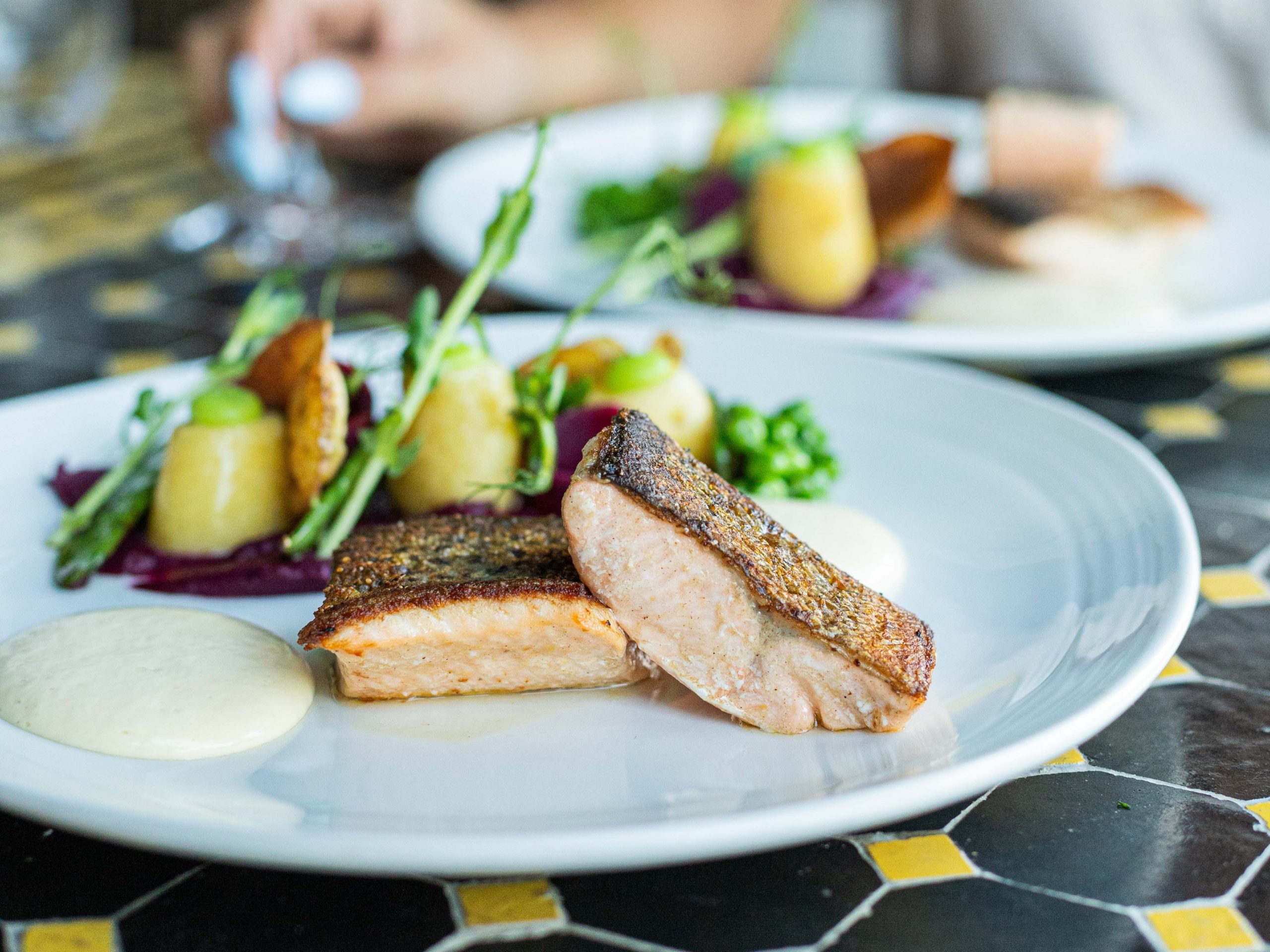
The clearest markers of authenticity are ingredient origin and recipe heritage. A restaurant serving genuine Finnish cuisine will source fish from Finnish waters, use rye in its bread, and prepare dishes according to regional traditions rather than international trends. Creamy salmon soup made from a long-standing family recipe, whitefish prepared multiple ways, and archipelago bread baked with sourdough are all strong indicators that a kitchen takes Finnish food seriously.
It is also worth noting that authentic Finnish cooking is not flashy. The cuisine values restraint, quality, and honesty over elaborate presentation. A bowl of lohikeitto, Finland’s beloved salmon soup, made with fresh Baltic salmon, cream, potatoes, and dill, tells you more about Finnish food culture than a menu full of fusion interpretations. When a restaurant has been serving the same recipe for decades and still fills its tables, that consistency is itself a mark of authenticity.
Which Helsinki neighborhoods have the best traditional Finnish restaurants?
The neighborhoods closest to Helsinki’s waterfront offer the most concentrated selection of traditional Finnish restaurants, particularly those specializing in seafood. The harbor areas, including Hietalahti, Kauppatori, and the South Harbor district, give restaurants direct access to fresh catches and create a natural setting for Finnish maritime cuisine.
Hietalahti, on the western edge of the city center, is particularly worth visiting. The area’s working harbor history gives it an authentic character that newer dining districts lack, and its proximity to the sea means restaurants here can maintain genuine relationships with local fishermen. The neighborhood is walkable from the city center, making it an easy destination for travelers staying in central Helsinki.
The Market Square area near Senate Square is another strong option for first-time visitors, as it combines outdoor market stalls selling smoked fish and local produce with nearby restaurants. However, for a more immersive and less tourist-oriented experience, the harbor neighborhoods slightly further from the main square tend to offer better value and a stronger sense of local dining culture.
What Finnish dishes should visitors order at least once?
Every traveler eating Finnish food in Helsinki should order lohikeitto, a creamy salmon soup that is one of the country’s most beloved dishes. Beyond salmon soup, whitefish preparations, open-faced sandwiches with Baltic seafood, and dishes featuring local shellfish represent the core of what Finnish cuisine has to offer at its best.
Here are the dishes worth prioritizing on any visit:
- Lohikeitto (salmon soup): A rich, cream-based soup made with fresh salmon, potatoes, leek, and dill, served with dark archipelago bread. At Merimakasiini, our version follows a 30-year-old secret recipe and remains the single most-ordered dish on the Finnish seafood restaurant menu year-round.
- Siika (whitefish): A versatile Baltic fish served in multiple preparations. A well-composed plate might include tartare, rillette, ceviche, and roe alongside house bread, showcasing how a single ingredient can express different textures and flavors.
- Smörrebröd with Baltic seafood: The open-faced sandwich tradition, shared with Scandinavia, reaches its Finnish expression with toppings like hand-peeled Arctic shrimp, fresh vegetables, and house-made sauces on quality bread.
- Bouillabaisse: Though French in origin, Finnish coastal restaurants have long adapted this seafood stew using Baltic fish and local shellfish, creating a version deeply tied to the local catch.
- Fruits de Mer: A seafood platter featuring the day’s best shellfish and crustaceans, best ordered when the kitchen has a strong relationship with local suppliers.
Rye bread deserves a special mention. It appears as an accompaniment to nearly every traditional Finnish meal and is worth paying attention to in its own right. Saaristolaisleipä, the slightly sweet archipelago bread, is particularly distinctive and pairs beautifully with fish dishes.
How do Helsinki restaurants source fresh Baltic seafood?
The best Helsinki seafood restaurants source their fish directly from local fishermen, often through daily or near-daily deliveries that bring the catch from Finnish waters straight to the kitchen. This direct supply chain is what separates restaurants serving genuinely fresh Baltic seafood from those relying on intermediary distributors.
We maintain close relationships with local fishermen who deliver their day’s catch directly to our kitchen. This means the fish on your plate was often swimming in the Baltic Sea just hours before it reaches you. That kind of supply chain is only possible when a restaurant commits to working with a small number of trusted suppliers rather than ordering through large-scale wholesale systems.
For travelers trying to identify restaurants with genuine sourcing practices, a few signals are worth looking for. Menus that change regularly based on what is available reflect honest sourcing. Staff who can tell you where the fish came from and how it was caught demonstrate kitchen transparency. Restaurants located near active harbors have a practical logistical advantage in receiving fresh deliveries. These are not guarantees, but they are reliable indicators that a kitchen prioritizes freshness over convenience.
Baltic seafood includes species that many international visitors will not have encountered before, including Baltic herring, pike-perch, whitefish, and various local shellfish. These are not always the glamorous ingredients found in high-end international restaurants, but they are deeply connected to Finnish food culture and often the most flavorful option when sourced correctly.
When is the best time of year to eat Finnish seafood in Helsinki?
Finnish seafood is excellent year-round in Helsinki, but the summer months from June through August offer the widest variety of fresh catches, the most active fishing season, and the added pleasure of dining on a harbor terrace with views of the open sea. Late spring and early autumn also bring particularly good catches of certain species.
Each season has its own seafood highlights in Finnish cuisine:
- Summer (June to August): Peak season for Baltic herring, pike-perch, and freshwater crayfish. Crayfish season, which typically begins in late July, is a celebrated Finnish tradition. Harbor terraces are open and the atmosphere is lively.
- Autumn (September to November): Excellent for salmon and whitefish, which are at their fattiest and most flavorful after summer feeding. The crowds thin out and restaurant experiences become more relaxed.
- Winter (December to February): A quieter time to visit, but quality does not drop. Restaurants serving fresh fish year-round maintain their sourcing relationships through the colder months, and warming dishes like lohikeitto are particularly satisfying in winter.
- Spring (March to May): The seasonal transitions bring interesting catches, and the anticipation of summer creates an energetic atmosphere in harbor restaurants as terraces begin to reopen.
The honest answer is that any time of year is a good time to eat Finnish seafood in Helsinki, provided you choose a restaurant that sources fresh fish daily rather than relying on frozen stock. A bowl of salmon soup made from a fish caught that morning tastes entirely different from one made with fish that has been in cold storage for days.
What should visitors know before booking a Finnish restaurant in Helsinki?
Visitors should book a table in advance, especially for dinner and weekend lunches, as the best traditional Finnish restaurants in Helsinki fill up quickly. It is also worth knowing that Finnish dining culture values punctuality, that menus often reflect seasonal availability rather than fixed offerings, and that dietary accommodations are commonly available if communicated ahead of time.
A few practical points worth knowing before you go:
- Reservations matter: Popular harbor restaurants, particularly those known for fresh seafood, regularly reach full capacity. Booking a table a few days in advance is strongly recommended. We encourage visitors to reserve a table at Merimakasiini before arriving to avoid disappointment.
- Lunch is excellent value: Many Finnish restaurants offer a lunch menu at significantly lower prices than dinner. The food quality is typically the same, making lunch an ideal time for budget-conscious travelers to experience authentic Finnish cuisine.
- Dietary needs can be accommodated: Gluten-free versions of many traditional dishes are available at quality restaurants. Classic dishes like lohikeitto and whitefish preparations can often be adapted. Always mention dietary requirements when booking.
- Seasonal menus change: A restaurant committed to genuine sourcing will adjust its menu based on what is available. If a dish you read about online is not on the menu, ask the staff what is freshest that day rather than insisting on a specific item.
- Tipping is appreciated but not obligatory: Finnish tipping culture is more relaxed than in North America. Rounding up the bill or leaving a small tip for good service is appreciated, but there is no social pressure to tip a fixed percentage.
- Dress code is generally relaxed: Finnish dining culture is informal even in quality restaurants. Smart casual is appropriate for most traditional Finnish seafood restaurants, and you will rarely feel underdressed in clean, neat clothing.
Finally, approach the menu with curiosity rather than caution. Finnish cuisine rewards travelers who are willing to try unfamiliar fish species and traditional preparations. The most memorable meals in Helsinki often come from ordering something you have never heard of and discovering why it has been on the menu for decades.