Category: Uncategorized

What traditional Finnish dishes should tourists try in Helsinki?

Traditional Finnish dishes offer tourists an authentic taste of Finland’s culinary heritage, featuring fresh seafood, hearty soups, and seasonal ingredients that reflect the country’s maritime culture. Helsinki restaurants serve classic dishes like lohikeitto (salmon soup), karjalanpiirakka (Karelian pasties), and fresh Baltic herring prepared in traditional ways. These dishes showcase Finland’s connection to the sea and provide visitors with genuine local flavors that have been enjoyed for generations.

What are the most authentic Finnish dishes tourists should try in Helsinki?

Authentic Finnish dishes that tourists should experience include lohikeitto (salmon soup), karjalanpiirakka (Karelian pasties), gravlax, and fresh Baltic herring preparations. These traditional Finnish dishes represent centuries of culinary heritage and showcase the country’s maritime influences through fresh, seasonal ingredients.

Lohikeitto is Finland’s most beloved traditional soup, combining fresh salmon with potatoes, leeks, and cream in a comforting bowl that embodies Finnish cuisine. This salmon soup appears on menus throughout Helsinki, offering tourists an immediate connection to local food culture. The dish represents both the practicality of Finnish cooking and the abundance of the Baltic Sea.

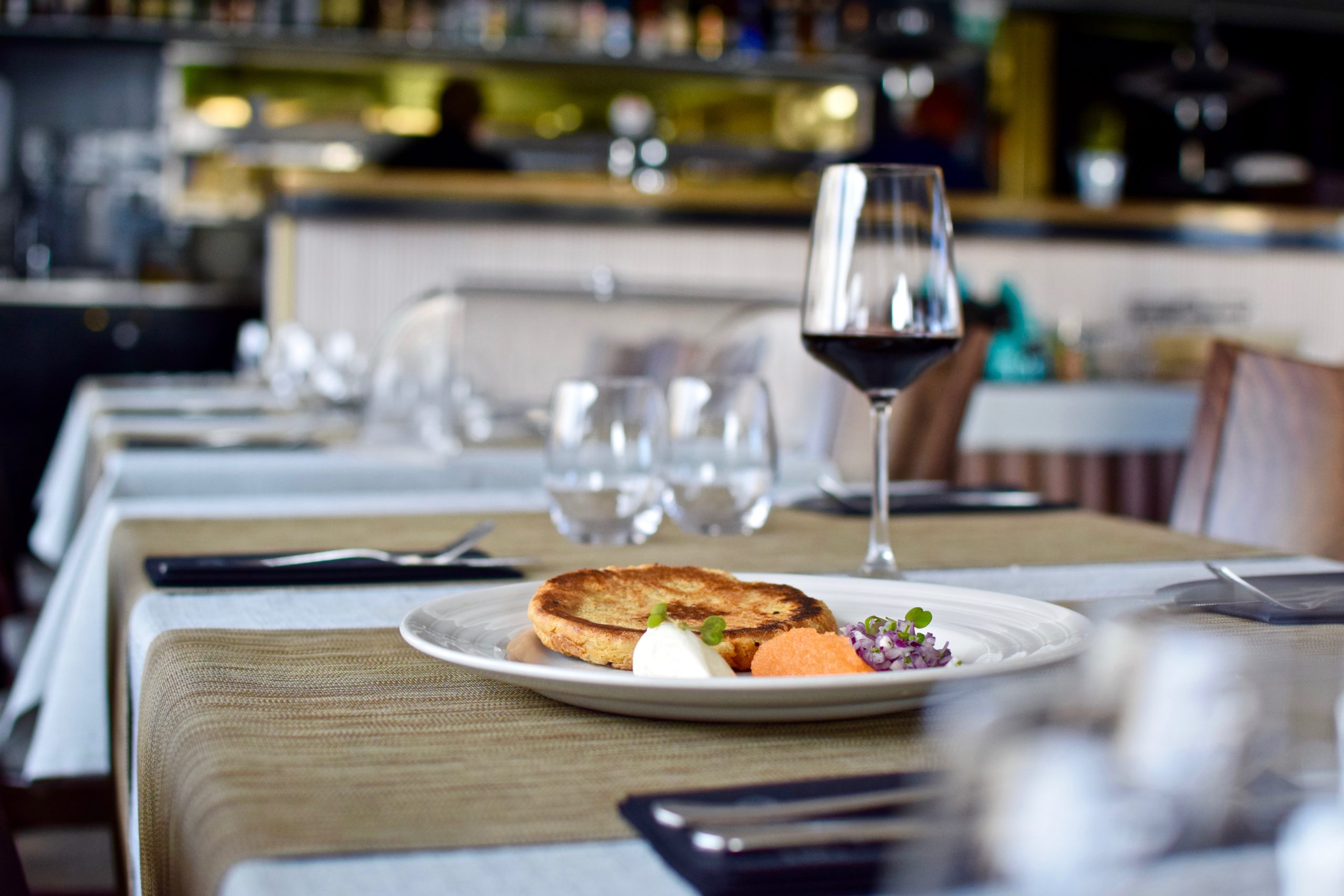
Karjalanpiirakka, or Karelian pasties, provide another essential Finnish culinary experience. These oval-shaped pastries feature a thin rye crust filled with rice porridge and are traditionally served with munavoi (egg butter). The combination creates a perfect balance of textures and represents the resourcefulness of traditional Finnish cooking.

Fresh Baltic herring deserves attention for its role in authentic Finnish food culture. Helsinki dining establishments prepare herring in various traditional ways, from simple salt-cured preparations to more elaborate pickled versions. The fish connects directly to Finland’s coastal heritage and remains a staple of genuine Finnish cuisine.

Seasonal specialties like fresh crayfish in late summer and various mushroom dishes throughout autumn offer tourists glimpses into Finland’s natural abundance. These ingredients appear in traditional preparations that highlight the Finnish approach to working with nature’s seasonal offerings.

Why is lohikeitto considered a must-try Finnish culinary experience?

Lohikeitto represents the essence of Finnish comfort food and maritime heritage, combining fresh salmon with simple ingredients to create a dish that embodies Finland’s culinary soul. This traditional Finnish soup showcases the country’s connection to its waters while providing the warming sustenance needed for Nordic climates.

The cultural importance of lohikeitto extends beyond mere sustenance to represent Finnish values of simplicity, quality ingredients, and connection to nature. Traditional preparation methods emphasize the natural flavors of fresh salmon, allowing the fish’s quality to shine through a creamy broth enhanced with potatoes, leeks, and dill. This approach reflects the Finnish philosophy of letting excellent ingredients speak for themselves.

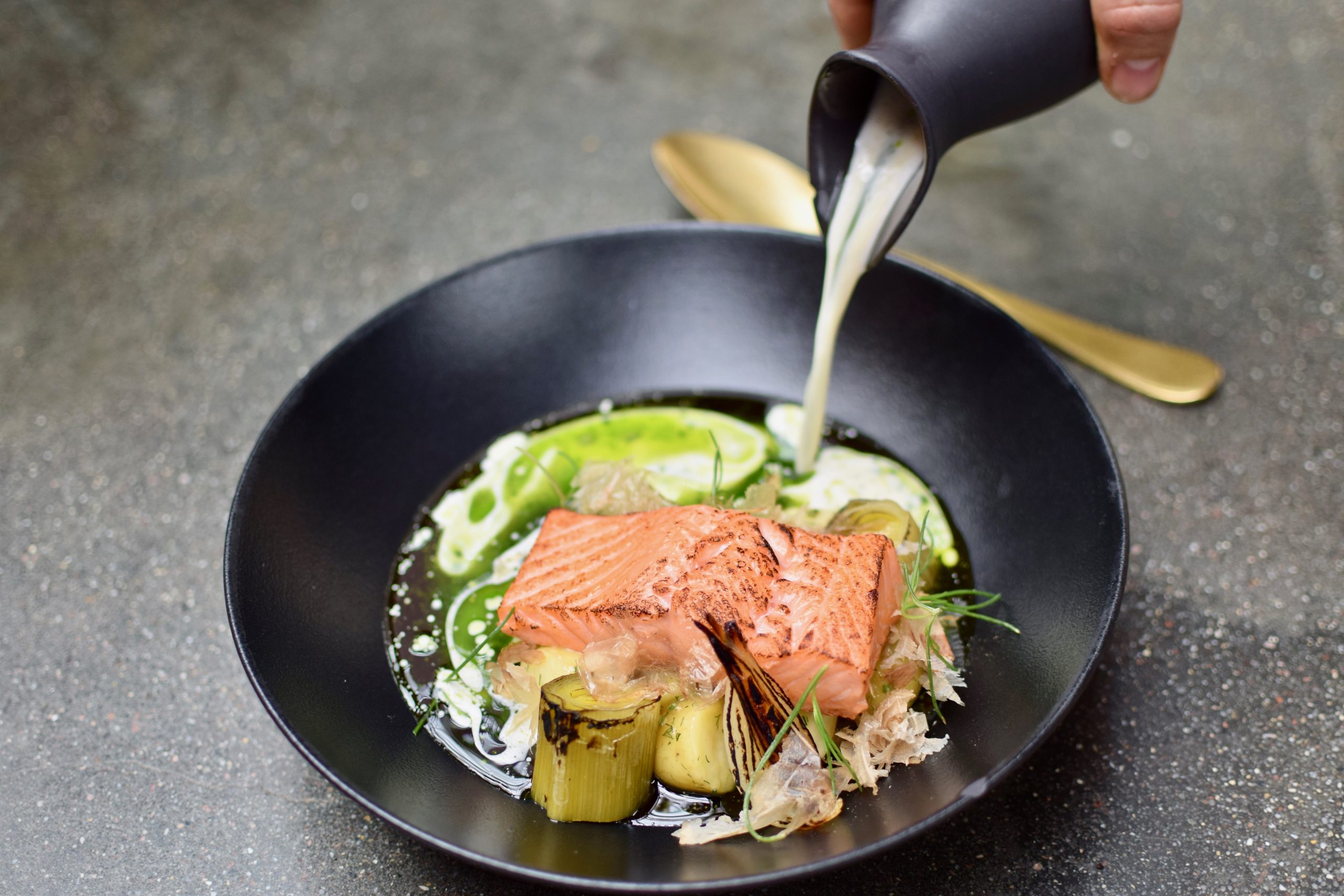
We serve lohikeitto prepared in the traditional manner, featuring fresh salmon in a creamy base accompanied by house-made archipelago bread and browned butter. This presentation honors the authentic preparation while showcasing the quality of Baltic ingredients that define genuine Finnish cuisine.

The soup’s preparation tells the story of Finnish maritime culture, where fishing communities developed recipes that maximized both nutrition and flavor from their catches. Lohikeitto traditionally used whatever vegetables were available, creating variations that reflected seasonal availability while maintaining the dish’s core identity centered on fresh salmon.

Modern Helsinki restaurants maintain these traditional preparation methods, ensuring tourists experience lohikeitto as Finnish families have enjoyed it for generations. The dish serves as a perfect introduction to Finnish food culture, demonstrating how traditional Finnish dishes balance simplicity with deep, satisfying flavors that reflect the country’s natural environment.

Where can tourists find the best traditional Finnish food in Helsinki?

Tourists can discover authentic Finnish dining experiences throughout Helsinki by seeking establishments that specialize in traditional recipes using fresh, local ingredients from Finland’s waters and forests. The best traditional Finnish food comes from restaurants that maintain connections to local suppliers and honor time-tested preparation methods.

Helsinki’s harbor areas offer particularly authentic Finnish culinary experiences, where restaurants benefit from direct access to the fresh seafood that defines much of traditional Finnish cuisine. These waterfront establishments often maintain the closest connections to Finland’s maritime food traditions, serving dishes that reflect the country’s coastal heritage.

We focus on providing genuine Finnish culinary experiences by sourcing the freshest seasonal fish and seafood directly from local waters. Our approach ensures that tourists taste authentic Finnish food prepared according to traditional methods while benefiting from the highest-quality ingredients available in Helsinki. Reserve your traditional Finnish dining experience to enjoy these carefully prepared dishes.

Traditional Finnish restaurants in Helsinki typically feature menus that change with the seasons, reflecting the country’s deep connection to natural cycles. This seasonal approach allows tourists to experience Finnish cuisine as locals do, with ingredients that represent the best of what Finland’s environment offers at different times of the year.

The most authentic Finnish dining experiences are found in establishments that combine traditional recipes with fresh, locally sourced ingredients. These restaurants often feature simple, elegant preparations that allow the natural flavors of Finnish ingredients to create memorable meals that represent genuine local food culture.

How do traditional Finnish dishes reflect the country’s maritime culture?

Traditional Finnish dishes directly reflect the country’s maritime culture through extensive use of fresh fish, seafood, and ingredients from Finland’s archipelago regions. These coastal influences appear in classic preparations like salmon soup, herring dishes, and various seafood combinations that define authentic Finnish flavors.

Finland’s extensive coastline and thousands of islands created a food culture centered on what the waters provided. Traditional Finnish dishes showcase this maritime heritage through techniques like smoking, curing, and simple preparations that preserve and enhance the natural flavors of fresh catches. These methods developed from practical needs but evolved into the sophisticated flavor profiles that characterize Finnish cuisine today.

The archipelago regions contributed unique ingredients and preparation methods that spread throughout Finnish food culture. Wild herbs, berries, and vegetables that grow in coastal environments appear regularly in traditional recipes, creating flavor combinations that tourists cannot experience elsewhere. These ingredients connect directly to Finland’s island communities and their resourceful approaches to cooking.

Seasonal fishing patterns influenced the development of Finnish culinary traditions, with different preparations corresponding to various species’ availability throughout the year. This created a food culture that celebrates the natural rhythms of maritime life, resulting in dishes that showcase peak ingredients at their optimal times.

Modern Helsinki restaurants maintain these maritime connections by sourcing directly from Finnish waters and preparing dishes according to traditional coastal methods. This approach ensures that tourists experience the authentic flavors that developed from centuries of Finnish maritime culture, creating meals that tell the story of Finland’s relationship with its surrounding waters.

The enduring appeal of traditional Finnish dishes lies in their honest representation of Finland’s natural environment and maritime heritage. For tourists seeking authentic culinary experiences in Helsinki, these dishes provide genuine connections to local culture through flavors that have sustained Finnish communities for generations. The emphasis on fresh, seasonal ingredients and time-tested preparations ensures that each meal offers insights into Finland’s unique relationship with its coastal waters and natural abundance.

What makes Helsinki dining experiences special for visitors?

Kalaravintola Merimakasiini

Helsinki dining experiences captivate visitors through their unique blend of Nordic traditions, pristine seasonal ingredients, and distinctive harbour atmosphere. The city’s culinary scene offers authentic Finnish flavours like lohikeitto (salmon soup) alongside fresh seafood in waterfront settings. Helsinki restaurants embrace Finland’s seasonal rhythm, creating dynamic menus that showcase everything from summer’s fresh fish to winter’s hearty comfort foods, providing international visitors with genuine cultural connections through food.

What makes Finnish cuisine unique for international visitors?

Finnish cuisine distinguishes itself through its deep connection to nature’s seasonal cycles and traditional preservation methods. Unlike other Nordic capitals, Helsinki’s culinary identity centres on pure, unprocessed ingredients sourced from Finland’s pristine forests, lakes, and coastal waters. The cuisine reflects centuries of adaptation to harsh winters, resulting in hearty dishes that emphasise comfort and nourishment.

Traditional Finnish dishes showcase ingredients like fresh fish, wild berries, mushrooms, and root vegetables. The cooking methods often involve smoking, curing, and slow preparation techniques that intensify natural flavours. Finnish food culture values simplicity over complexity, allowing each ingredient’s authentic taste to shine through without heavy seasoning or elaborate preparation.

The Finnish dining experience extends beyond food to encompass the concept of “sisu” – a cultural philosophy emphasising perseverance and authenticity. This translates into restaurant settings where genuine hospitality meets unpretentious presentation, creating dining experiences that feel both refined and approachable for international visitors seeking authentic cultural connections.

Why is lohikeitto considered a must-try dish in Helsinki?

Lohikeitto represents the essence of Finnish comfort food, combining fresh salmon with cream, potatoes, and dill in a warming soup that embodies centuries of coastal tradition. This beloved dish reflects Finland’s relationship with its waters and seasonal eating patterns. The soup’s cultural significance extends beyond nutrition to represent Finnish hospitality and home-style cooking traditions passed down through generations.

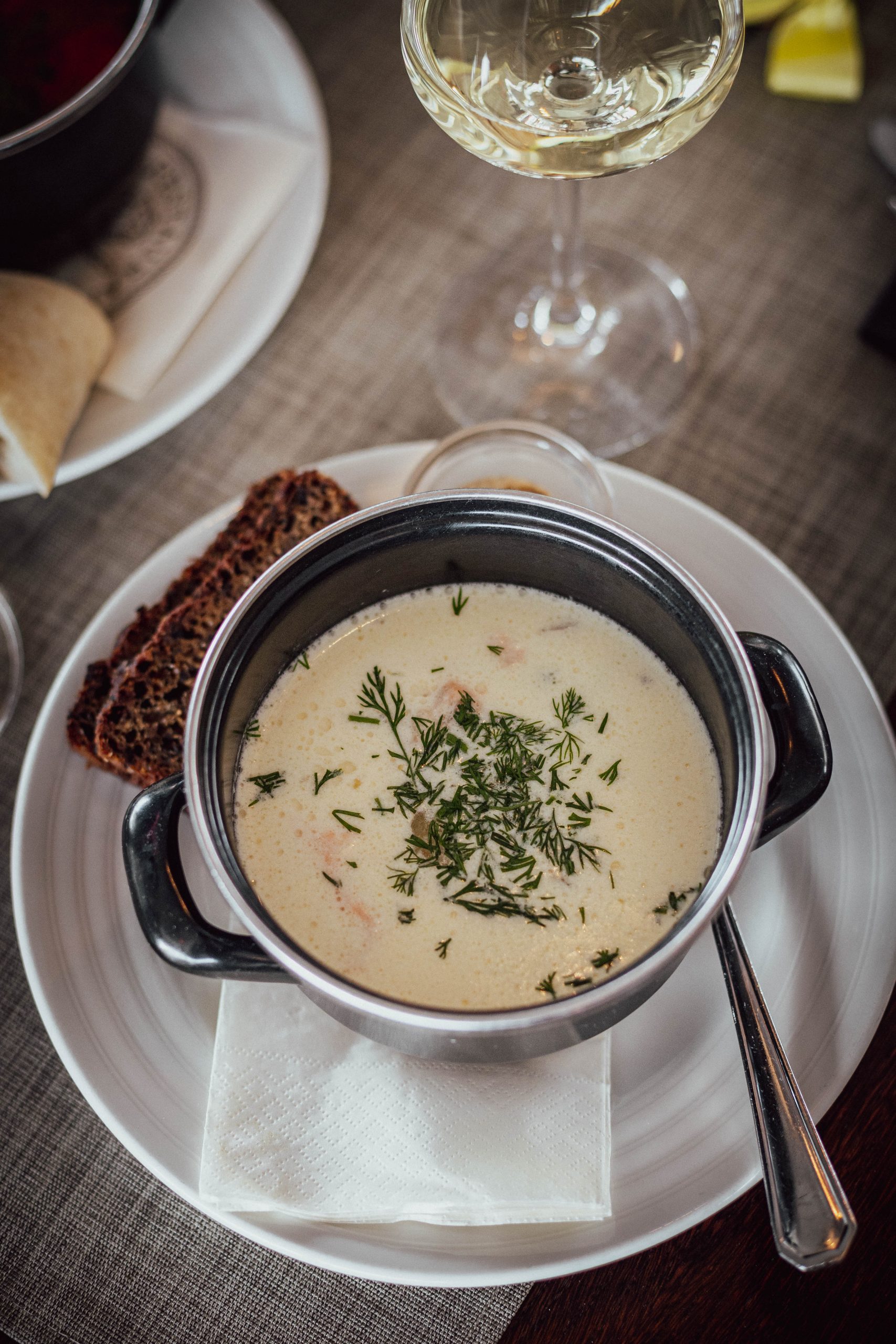
The traditional preparation involves gently simmering fresh salmon with root vegetables in a creamy broth, creating layers of flavour that develop slowly. The soup is typically served with saaristolaislimppu (archipelago bread) and browned butter, creating a complete meal that satisfies both hunger and cultural curiosity. At Merimakasiini, the traditional creamy lohikeitto is served with house-made archipelago bread and browned butter for €14/€20, showcasing this authentic Finnish culinary experience.

The dish’s popularity among visitors stems from its representation of Finnish food philosophy – simple ingredients prepared with care and respect for tradition. The warming qualities of lohikeitto make it particularly appealing during Helsinki’s cooler months, whilst its fresh salmon base celebrates the country’s abundant coastal resources.

Where can you find the most authentic Finnish dining experiences in Helsinki?

Authentic Finnish dining experiences flourish in Helsinki’s waterfront locations, where restaurants embrace both traditional recipes and harbour atmosphere. Seaside establishments offer the most genuine connection to Finnish culinary culture, combining fresh local ingredients with settings that reflect Finland’s maritime heritage. These venues typically feature seasonal menus that change with ingredient availability and traditional preparation methods.

Harbour-side restaurants provide the ideal environment for experiencing Finnish seafood traditions, where the proximity to water ensures the freshest possible ingredients. The atmospheric setting of these establishments, often featuring views of boats and maritime activity, enhances the cultural authenticity of the dining experience. Many waterfront venues maintain connections with local fishermen and suppliers, ensuring ingredients reflect true seasonal availability.

The most authentic experiences occur in establishments that prioritise traditional Finnish hospitality alongside genuine recipes. These venues focus on creating comfortable, unpretentious environments where visitors can experience Finnish food culture as locals do – with an emphasis on quality ingredients, honest preparation, and warm service that reflects the Finnish concept of genuine hospitality.

How do seasonal ingredients shape Helsinki’s restaurant menus?

Helsinki restaurant menus transform dramatically with Finland’s distinct seasons, creating a dynamic dining calendar that reflects natural ingredient availability. During warmer months, menus emphasise fresh seafood and fish caught in local waters, alongside foraged ingredients like wild berries and mushrooms. Winter menus shift toward preserved ingredients, hearty soups, and comfort foods that sustained Finnish communities through harsh weather.

Spring brings fresh herbs and early vegetables, whilst summer showcases the abundance of Finland’s brief but intense growing season. Restaurants adapt their offerings to highlight ingredients at peak freshness, creating menus that change not just seasonally but sometimes weekly based on what is available from local suppliers. This approach ensures diners experience ingredients at their optimal flavour and nutritional value.

The seasonal approach extends to preparation methods, with summer favouring lighter cooking techniques that preserve fresh flavours, whilst winter embraces slow-cooking methods that create warming, substantial dishes. This seasonal rhythm creates anticipation among both locals and returning visitors, as certain dishes become available only during specific times of year, making each dining experience unique to its moment in Finland’s natural calendar.

Helsinki’s dining scene offers international visitors an authentic taste of Finnish culture through its commitment to seasonal ingredients, traditional recipes, and waterfront settings. The city’s restaurants, particularly those embracing maritime traditions, provide genuine cultural experiences that extend far beyond simple meals to encompass Finland’s relationship with nature, the seasons, and community. To book your authentic Helsinki dining experience, visitors can secure their table at these exceptional waterfront establishments.

What Finnish taste experiences can be found in Helsinki?

The lohikeitto

Helsinki offers a remarkable collection of Finnish taste experiences that showcase the country’s unique culinary heritage, from traditional salmon soup served with archipelago bread to fresh seasonal seafood caught from Baltic waters. The city’s coastal location creates authentic dining opportunities where visitors can enjoy quintessential Finnish dishes like lohikeitto alongside modern interpretations of Nordic cuisine in atmospheric waterfront settings.

What makes Finnish cuisine unique in Helsinki’s food scene?

Finnish cuisine in Helsinki stands out through its deep connection to seasonal ingredients, coastal influences, and time-honoured cooking traditions that reflect the country’s relationship with nature. The capital’s food scene embraces ingredients like fresh Baltic fish, wild mushrooms, berries, and root vegetables that define authentic Finnish flavours throughout the changing seasons.

Helsinki’s coastal location plays a crucial role in shaping local culinary experiences. The city’s proximity to the Baltic Sea ensures access to exceptionally fresh fish and seafood, while the surrounding archipelago provides unique ingredients like sea buckthorn and wild herbs. This maritime influence creates a distinctive flavour profile that combines Nordic simplicity with the richness of ocean-fresh ingredients.

Traditional Finnish cooking methods emphasise natural flavours and minimal processing. Smoking, curing, and slow-cooking techniques preserve the authentic taste of ingredients while creating depth and complexity. These methods, passed down through generations, form the foundation of Helsinki’s most beloved dishes and create genuine local culinary experiences that visitors cannot find elsewhere.

Where can you find the most authentic lohikeitto in Helsinki?

Authentic lohikeitto represents one of Finland’s most cherished culinary traditions, and Helsinki’s waterfront restaurants serve exceptional versions of this creamy salmon soup alongside traditional accompaniments. The best lohikeitto features fresh Baltic salmon in a rich, creamy broth with potatoes, dill, and onions, creating a warming dish that embodies Finnish comfort food.

At Merimakasiini, traditional lohikeitto (14€/20€) showcases the classic preparation that defines this quintessential Finnish dish. The restaurant serves this creamy salmon soup with traditional saaristolaislimppu (archipelago bread) and brown butter, creating an authentic taste experience that reflects generations of Finnish cooking tradition. This combination allows diners to experience lohikeitto exactly as it has been enjoyed for centuries.

The quality of authentic lohikeitto depends on using fresh, locally sourced salmon and maintaining traditional preparation methods. The soup should have a rich, creamy texture without being heavy, with the salmon remaining tender and flaky. When served with dark archipelago bread and ruskistettu voi (brown butter), the complete experience represents the heart of Finnish culinary culture and provides visitors with an unforgettable introduction to local flavours.

What other traditional Finnish seafood experiences should visitors try in Helsinki?

Helsinki’s maritime heritage offers numerous traditional seafood experiences beyond lohikeitto, including fresh Baltic herring, smoked fish preparations, and seasonal specialities that showcase the city’s deep connection to the sea. These dishes reflect centuries of Finnish coastal cooking and provide authentic taste experiences that capture the essence of Nordic seafood cuisine.

Baltic herring holds special significance in Finnish cuisine, prepared in various traditional ways including pickled, smoked, and fried preparations. During different seasons, visitors can experience specialities like vendace (small whitefish), perch, and pike-perch prepared according to time-tested Finnish methods. These seasonal offerings demonstrate how Finnish cuisine adapts to natural cycles and celebrates the bounty of local waters.

Smoked fish traditions represent another cornerstone of Finnish seafood culture. Cold-smoking techniques developed over centuries create distinctive flavours that complement the natural taste of Baltic fish. Many Helsinki establishments continue these traditional smoking methods, offering visitors authentic experiences that connect them to Finland’s maritime culinary heritage while showcasing the skill and patience required for proper fish preparation.

How do Helsinki’s waterfront restaurants capture authentic Finnish flavours?

Helsinki’s harbour-side dining establishments create authentic Finnish flavours by combining traditional recipes with fresh local ingredients in atmospheric settings that enhance the complete culinary experience. These restaurants understand that authentic Finnish cuisine extends beyond individual dishes to encompass the entire dining environment and cultural context.

Waterfront locations like Merimakasiini provide the perfect setting for experiencing Finnish seafood cuisine, where the harbour atmosphere complements traditional dishes and creates a genuine connection to Finland’s maritime culture. The combination of fresh sea air, views of boats and water, and the sound of harbour activity enhances the flavours of traditional dishes while providing cultural context that enriches the dining experience. To book your waterfront dining experience, visitors can secure their table at these authentic establishments.

These establishments maintain authenticity through careful sourcing of local ingredients, adherence to traditional preparation methods, and presentation that honours Finnish culinary heritage. By serving dishes like lohikeitto with proper accompaniments in settings that reflect Finland’s coastal culture, waterfront restaurants create complete taste experiences that transport diners into the heart of Finnish culinary tradition while maintaining the welcoming atmosphere that defines Finnish hospitality.

Helsinki’s Finnish taste experiences offer visitors authentic connections to Nordic culinary culture through traditional dishes, seasonal ingredients, and atmospheric waterfront dining. From the comforting warmth of properly prepared lohikeitto to the fresh flavours of Baltic seafood, these experiences provide genuine insights into Finnish food culture that extend far beyond simple meals to encompass the country’s relationship with nature, tradition, and hospitality.

What are the most popular waterfront restaurants in Helsinki?

Kalaravintola Merimakasiini

Helsinki’s waterfront restaurants offer an exceptional dining experience that combines fresh Baltic seafood with stunning harbor views. The city’s maritime culture creates unique dining destinations where urban sophistication meets coastal charm. Popular spots include establishments in Hietalahti, the Market Square area, and Katajanokka, with venues like Merimakasiini leading the way in seasonal fish and shellfish specialties.

What makes Helsinki’s waterfront dining scene so special?

Helsinki’s waterfront dining scene stands out due to its unique combination of authentic maritime culture and access to exceptionally fresh Baltic seafood. The city’s position on the Baltic Sea creates a natural connection between local fishing traditions and contemporary culinary excellence, offering diners an experience that feels both sophisticated and genuinely connected to the sea.

The harbor setting provides more than just scenic views. These waterfront restaurants in Helsinki are positioned where working harbors meet urban life, creating an atmosphere that captures the essence of Finland’s relationship with the sea. The proximity to fishing boats and maritime activity adds an authenticity that cannot be replicated in inland establishments.

What truly sets Helsinki harbor dining apart is the seasonal approach to menus. The Baltic Sea’s unique ecosystem provides ingredients that change throughout the year, from spring’s delicate perch to autumn’s rich salmon runs. This seasonal variation ensures that each visit to Helsinki’s waterfront restaurants offers something new, reflecting the natural rhythms of Nordic coastal life.

Where can you find the best seafood restaurants along Helsinki’s waterfront?

The best seafood restaurants Helsinki offers are concentrated in three main waterfront districts: Hietalahti, the Market Square area, and Katajanokka. Each area provides distinct dining experiences while maintaining the high standards of fresh Baltic seafood that define the city’s maritime cuisine scene.

Hietalahti stands out as a particularly vibrant dining destination, home to establishments like Merimakasiini, which exemplifies the area’s commitment to seasonal fish and shellfish specialties. This district combines the charm of a working harbor with the sophistication expected from Helsinki marina restaurants, creating an ideal environment for both casual meals and special occasions.

The Market Square area offers a different perspective on waterfront dining in Finland, with restaurants that blend tourist accessibility with authentic local cuisine. Here, diners can experience the bustling energy of Helsinki’s main harbor while enjoying expertly prepared seafood dishes that showcase the region’s maritime bounty.

Katajanokka provides a more refined waterfront dining experience, with establishments that focus on upscale presentations of traditional Nordic seafood. This area attracts diners seeking Helsinki port restaurants that offer both culinary excellence and stunning views of the city’s historic harbor architecture.

What should you expect when dining at Helsinki’s harbor restaurants?

Dining at Helsinki’s harbor restaurants typically involves seasonal menu variations that reflect the Baltic Sea’s natural cycles, with prices ranging from moderate to upscale depending on the establishment and season. The atmosphere combines maritime authenticity with modern comfort, creating a uniquely Nordic dining experience that celebrates both tradition and innovation.

Seasonal changes significantly impact menu offerings at these waterfront restaurants in Helsinki. Spring menus often feature delicate white fish and early shellfish, while summer brings an abundance of salmon and seasonal vegetables. Autumn and winter menus focus on heartier preparations and preserved seafood, reflecting traditional Nordic food preservation methods.

The atmosphere at places like Merimakasiini demonstrates what makes Helsinki harbor dining special. The combination of harbor views, maritime décor, and the sounds of working boats creates an immersive experience that connects diners to Helsinki’s seafaring heritage. This authentic setting enhances the appreciation of fresh, locally sourced seafood.

Pricing at these establishments reflects the quality of ingredients and waterfront locations. Expect to pay premium prices for the freshest catches, but the experience justifies the cost through exceptional quality and a unique atmosphere that cannot be found elsewhere in the city.

How do you choose the right waterfront restaurant for your Helsinki visit?

Choosing the right waterfront restaurant depends on your budget, cuisine preferences, and dining occasion. Consider factors such as group size, desired atmosphere, and specific seafood interests when selecting from Helsinki’s diverse marina restaurant options, as each establishment offers distinct experiences and specialties.

Budget considerations play a crucial role in selection. The best seafood Helsinki establishments range from casual harborside eateries to upscale dining destinations. Determine your comfort level with pricing before choosing, as waterfront locations and premium ingredients typically command higher prices than inland alternatives.

Group size and occasion should influence your choice among Helsinki port restaurants. Intimate dinners benefit from quieter establishments with romantic harbor views, while larger groups might prefer restaurants with more spacious seating and varied menu options to accommodate different preferences.

Consider your seafood preferences when making selections. Some establishments specialize in traditional Nordic preparations, while others offer international approaches to local ingredients. Venues like Merimakasiini focus specifically on seasonal fish and shellfish, making them ideal for diners seeking authentic maritime cuisine experiences.

The timing of your visit also matters. Summer visits offer the fullest selection of fresh ingredients and the most pleasant terrace dining, while winter visits provide cozy indoor atmospheres and hearty seasonal preparations that showcase different aspects of Nordic waterfront dining culture. To ensure you secure a table at these popular establishments, consider making your Helsinki restaurant reservation in advance.

What are the main ingredients in salmon soup?

The lohikeitto

Salmon soup relies on fresh salmon, root vegetables, dairy cream, and aromatic herbs as its main ingredients. The traditional Nordic dish, known as lohikeitto, combines these elements to create a rich, comforting soup with a distinctive creamy texture and delicate fish flavour that has warmed households for generations.

What are the essential base ingredients for traditional salmon soup?

Traditional salmon soup requires fresh salmon fillets, potatoes, carrots, leeks, double cream, and fish stock as its foundation. These core ingredients create the authentic flavour profile and creamy consistency that define proper lohikeitto. The salmon provides protein and rich taste, while root vegetables add substance and natural sweetness.

The dairy component, typically double cream or whole milk, transforms the clear fish stock into the characteristic pale orange, velvety soup that salmon soup enthusiasts recognise. Some recipes incorporate a small amount of butter for additional richness and to help develop the vegetables’ flavours during the initial cooking stage.

Fish stock serves as the liquid base, though many home cooks successfully use vegetable stock or even water when fish stock isn’t available. The key lies in allowing the salmon bones and skin to simmer briefly in whichever liquid you choose, creating a natural fish essence that enhances the overall depth of flavour.

Which vegetables work best in salmon soup and why?

Potatoes, carrots, and leeks form the traditional vegetable trio for salmon soup, each contributing unique textures and flavours. Potatoes provide heartiness and help thicken the soup naturally, while carrots add sweetness and vibrant colour. Leeks offer a mild onion flavour without overwhelming the delicate salmon.

Waxy potatoes work better than floury varieties because they hold their shape during cooking and don’t break apart into the soup. Cut them into uniform chunks to ensure even cooking. Carrots should be sliced into rounds or half-moons, maintaining some bite to provide textural contrast against the tender fish.

Seasonal variations might include fennel for a subtle aniseed note, celery for additional aromatics, or even small amounts of swede for earthiness. However, the vegetable selection should never compete with the salmon’s delicate flavour. Each addition should complement rather than mask the fish’s natural taste.

Fresh dill stands apart from other vegetables as an essential aromatic component, added at the end of cooking to preserve its bright, fresh flavour that pairs perfectly with salmon.

How do you choose the right salmon for making soup?

Fresh salmon fillets with skin work best for soup, though frozen salmon can be acceptable if properly thawed. Choose middle-cut fillets rather than tail pieces, as they provide a more consistent texture and better flavour. The skin adds richness to the stock and can be removed before serving if preferred.

Atlantic salmon offers reliable results due to its higher fat content, which contributes to the soup’s richness. Wild salmon varieties like coho or sockeye provide more intense flavour but can be less forgiving if overcooked. Avoid pre-seasoned or smoked salmon, as these will alter the traditional taste profile significantly.

When selecting fresh salmon, look for firm flesh with a bright, fresh appearance and minimal fishy odour. The flesh should spring back when gently pressed. If using frozen salmon, ensure it’s completely thawed and pat it dry before adding it to the soup to prevent excess water from diluting the flavours.

Remove any pin bones before cooking, though some prefer to cook the salmon whole and flake it afterwards, removing bones during the flaking process. This method can provide more control over the final texture of the fish in the soup.

What herbs and seasonings enhance salmon soup flavour?

Fresh dill, bay leaves, white peppercorns, and sea salt represent the traditional Nordic seasoning approach for lohikeitto. Dill remains the most important herb, added fresh at the end of cooking to maintain its bright, distinctive flavour that complements salmon beautifully.

Bay leaves should be added during the initial stock-making phase and removed before serving. They provide subtle depth without overwhelming the delicate fish flavour. White peppercorns offer gentler heat than black pepper and maintain the soup’s pale colour, though freshly ground black pepper works perfectly well.

Some modern variations incorporate fresh parsley for colour and freshness, or a small amount of fresh thyme for earthiness. Lemon juice brightens the finished soup, though it should be added sparingly to avoid overpowering the salmon. A small knob of butter stirred in just before serving adds glossy richness.

Avoid strong herbs like rosemary or sage, which can dominate the subtle salmon flavour. The goal is to highlight the fish rather than mask it with competing flavours. Salt should be added gradually, tasting as you go, since salmon naturally contains some sodium.

Can you make salmon soup without cream or dairy?

Coconut milk, cashew cream, or oat cream successfully replace traditional dairy while maintaining the soup’s characteristic richness. Full-fat coconut milk provides the closest texture match, though it adds a subtle tropical note that some find appealing with salmon.

Cashew cream, made by blending soaked cashews with water, creates neutral-tasting richness without competing flavours. Oat cream offers another plant-based alternative that works particularly well in Nordic cuisine, maintaining the soup’s traditional character while accommodating dairy-free requirements.

To maintain richness without any cream substitute, focus on developing a more concentrated fish stock and allow some of the potatoes to break down naturally, creating body through starch rather than dairy. This approach produces a lighter but still satisfying soup that you can enjoy at authentic Nordic restaurants.

When using plant-based alternatives, add them gradually and avoid boiling vigorously, as some non-dairy creams can separate under high heat. Coconut milk should be stirred well before adding, as it often separates in the tin. The key lies in gentle heating and careful seasoning adjustment, as plant-based creams may require slightly different salt levels from traditional dairy cream.

What are the health benefits of salmon soup?

Salmon soup offers exceptional health benefits through its rich concentration of omega-3 fatty acids, high-quality protein, and essential vitamins. This traditional Nordic dish, known as lohikeitto, provides cardiovascular protection, brain health support, and immune system strengthening. The combination of salmon’s nutritional profile with vegetables creates a powerhouse meal that supports overall wellness and disease prevention.

What makes salmon soup so nutritious compared to other soups?

Salmon soup stands apart nutritionally due to salmon’s unique combination of omega-3 fatty acids, complete protein, vitamin D, vitamin B12, and selenium. Unlike vegetable-based soups that primarily offer vitamins and fibre, or chicken soups that provide protein, salmon delivers all these nutrients plus essential fatty acids that most soups lack entirely.

The omega-3 content in salmon soup is particularly remarkable. A single serving provides substantial amounts of EPA and DHA, the most bioavailable forms of omega-3 fatty acids. These compounds are rarely found in other soup ingredients, making lohikeitto exceptionally valuable for meeting daily nutritional needs.

Salmon also contributes high-quality complete protein containing all essential amino acids. This protein quality surpasses that found in legume-based soups and matches or exceeds that of other fish soups. The selenium content in salmon soup supports antioxidant function, while vitamin D aids calcium absorption and immune function. Traditional cream-based salmon soups also provide additional calories and support the absorption of fat-soluble vitamins, though lighter versions maintain the core nutritional benefits while reducing calories.

How does eating salmon soup benefit your heart and cardiovascular system?

Omega-3 fatty acids in salmon soup significantly support cardiovascular health by reducing inflammation, lowering blood pressure, and decreasing triglyceride levels. Regular consumption of salmon-based dishes like lohikeitto can help maintain healthy cholesterol ratios and support overall heart function through multiple mechanisms.

The EPA and DHA in salmon work to reduce inflammatory markers throughout the cardiovascular system. This anti-inflammatory action helps prevent the development of arterial plaque and reduces the risk of blood clots. The omega-3s also help regulate heart rhythm, potentially reducing the risk of arrhythmias.

Salmon soup consumption supports healthy blood pressure levels through improved arterial flexibility. The potassium content from vegetables commonly added to lohikeitto, combined with salmon’s omega-3s, creates a synergistic effect for blood pressure management. Regular intake of salmon-based meals has been associated with improved endothelial function, which is crucial for healthy blood vessel operation.

The high-quality protein in salmon soup also supports cardiovascular health by helping maintain healthy body weight and muscle mass. This protein quality, combined with the satiety provided by healthy fats, can help prevent overeating and support weight management goals that benefit heart health.

What brain and cognitive benefits can you get from salmon soup?

DHA omega-3 fatty acids in salmon soup directly support brain function, memory formation, and cognitive performance. These essential fats comprise a significant portion of brain tissue and are crucial for maintaining neural connections, potentially reducing age-related cognitive decline and supporting mental clarity.

The brain requires consistent DHA intake to maintain optimal function, and salmon soup provides this in a highly absorbable form. DHA supports the structure of brain cell membranes, facilitating better communication between neurons. This improved neural communication translates to enhanced memory consolidation, faster information processing, and better overall cognitive performance.

Regular consumption of omega-3-rich foods like lohikeitto may help protect against age-related mental decline. The anti-inflammatory properties of salmon’s omega-3s help reduce brain inflammation, which is associated with cognitive deterioration. These compounds also support the production of brain-derived neurotrophic factor, a protein that promotes the growth and survival of brain cells.

Salmon soup also provides vitamin B12, which is essential for proper nerve function and the production of neurotransmitters. B12 deficiency can lead to cognitive issues, making salmon soup particularly valuable for maintaining mental sharpness. The combination of omega-3s, B12, and other B vitamins in salmon creates a comprehensive brain-supporting nutritional profile that few other single dishes can match.

How does salmon soup support your immune system and overall wellness?

Salmon soup strengthens immune function through its vitamin D content, selenium’s antioxidant properties, and high-quality protein that provides amino acids essential for immune cell production. The anti-inflammatory omega-3 fatty acids also support immune system balance and help the body recover from illness or stress.

Vitamin D in salmon plays a crucial role in immune system regulation, helping the body mount appropriate responses to pathogens while preventing excessive inflammatory reactions. Many people have insufficient vitamin D levels, making salmon soup particularly valuable for immune support, especially during darker months when natural vitamin D synthesis is limited.

Selenium acts as a powerful antioxidant, protecting immune cells from oxidative damage and supporting their proper function. This mineral is essential for the production of selenoproteins, which have important antioxidant and anti-inflammatory functions throughout the body. The selenium content in salmon is among the highest found in commonly consumed foods.

The complete protein profile in lohikeitto provides all the amino acids necessary for producing antibodies, immune cells, and other immune system components. Protein deficiency can significantly impair immune function, making the high-quality protein in salmon soup particularly important for maintaining robust immune responses. The omega-3 fatty acids also help resolve inflammation once immune responses are complete, supporting faster recovery and preventing chronic inflammatory states that can weaken overall health.

Salmon soup represents one of the most nutritionally complete dishes available, combining cardiovascular protection, brain health support, and immune system strengthening in a single, satisfying meal. The traditional preparation of lohikeitto maximises these health benefits while providing comfort and nourishment that support overall wellness and vitality. For those interested in experiencing authentic traditional Finnish salmon soup preparation, professional culinary guidance can help unlock the full nutritional potential of this remarkable dish.

What are the best tourist experiences in Helsinki?

The lohikeitto

Helsinki offers a perfect blend of Nordic design, maritime culture, and modern Finnish lifestyle that creates unforgettable tourist experiences. The city combines waterfront dining, cultural attractions, and authentic Finnish cuisine like traditional lohikeitto in a compact, accessible setting. From harborside restaurants to design districts, Helsinki provides diverse experiences that showcase Finland’s unique character and connection to the Baltic Sea.

What makes Helsinki a unique destination for tourists?

Helsinki stands out as a distinctive Nordic capital through its seamless blend of modern design, maritime heritage, and accessible Finnish culture. The city’s compact size allows visitors to experience everything from cutting-edge architecture to traditional markets within walking distance, while its waterfront location creates a unique atmosphere where urban sophistication meets Baltic Sea charm.

The Finnish capital’s design-forward approach is evident throughout the city, from the iconic Temppeliaukio Rock Church carved directly into granite to the contemporary Oodi Central Library. Helsinki’s commitment to functional beauty appears in everything from public transportation to street furniture, reflecting the Finnish design philosophy that prioritizes both aesthetics and practicality.

Helsinki’s maritime culture permeates daily life, with harbors, waterfront promenades, and island connections shaping the city’s rhythm. The relationship with the Baltic Sea influences everything from local cuisine to recreational activities, creating Helsinki tourist experiences that feel authentically Finnish rather than generically European.

The city’s cultural accessibility makes it particularly welcoming for international visitors. Most locals speak excellent English, attractions are well organized, and the efficient public transport system connects all major sites. This combination of Nordic sophistication and practical accessibility creates a tourist experience that feels both exotic and comfortable.

Where can you experience authentic Finnish cuisine in Helsinki?

Helsinki’s culinary scene centers around fresh Baltic seafood, traditional comfort foods, and seasonal Nordic ingredients that reflect Finland’s natural bounty. The best authentic Finnish cuisine experiences combine traditional recipes with the city’s maritime setting, offering dishes that have sustained Finns through harsh winters and celebrated brief, bright summers.

Lohikeitto represents the heart of Finnish culinary tradition – a creamy salmon soup that appears on menus throughout Helsinki. This warming dish combines fresh salmon with root vegetables, dill, and cream, creating a comforting meal that embodies Finnish home cooking. At Merimakasiini, we serve traditional lohikeitto (€14/€20) with house-made archipelago bread and browned butter, presenting this beloved dish in its most authentic form alongside Helsinki’s beautiful harbor setting.

Waterfront dining in Helsinki provides the ideal setting for experiencing Finnish food culture. Harborside restaurants specialize in fresh Baltic herring, perch, and salmon prepared using traditional methods passed down through generations. These establishments often feature seasonal menus that change with Finland’s dramatic seasonal shifts, offering spring’s first new potatoes, summer’s wild berries, and autumn’s mushroom harvests.

Traditional Finnish flavors extend beyond seafood to include hearty rye breads, root vegetable dishes, and preserved foods that reflect the country’s agricultural heritage. Many Helsinki restaurants now elevate these traditional ingredients using modern techniques while maintaining their essential Finnish character, creating Helsinki food culture experiences that honor the past while embracing contemporary culinary innovation.

What are the must-visit cultural attractions in Helsinki?

Helsinki’s cultural attractions showcase Finnish creativity, history, and design innovation through a mix of architectural landmarks, world-class museums, and vibrant design districts. The city’s cultural scene reflects Finland’s journey from Nordic periphery to design powerhouse, offering visitors insights into both traditional Finnish culture and contemporary Nordic innovation.

The Design District represents Helsinki’s creative heart, spanning several neighborhoods filled with galleries, boutiques, and studios showcasing Finnish design excellence. This area includes both established institutions and emerging artists, creating a dynamic cultural landscape where visitors can experience everything from classic Marimekko textiles to cutting-edge contemporary art.

Architectural landmarks throughout Helsinki tell the story of Finnish independence and cultural development. Senate Square’s neoclassical buildings reflect Russian imperial influence, while structures like Finlandia Hall demonstrate Finland’s post-war architectural confidence. The contrast between historical and modern architecture creates a visual narrative of Finnish cultural evolution.

Museums in Helsinki range from the comprehensive National Museum of Finland to specialized institutions like the Design Museum and Ateneum Art Museum. These cultural attractions provide context for understanding Finnish society, from prehistoric times through contemporary culture. Many museums also feature seasonal exhibitions that highlight different aspects of Finnish creativity and cultural exchange with other Nordic countries.

Hidden cultural gems include smaller galleries in the Punavuori district, artist studios in converted industrial spaces, and seasonal cultural events that transform public spaces into creative venues. These attractions offer more intimate cultural experiences that complement Helsinki’s major institutions.

How do you make the most of Helsinki’s waterfront and harbor areas?

Helsinki’s waterfront and harbor areas define the city’s character, offering maritime attractions that range from scenic walks to island excursions and waterfront dining experiences. The Baltic Sea’s presence shapes daily life in Helsinki, creating opportunities for visitors to experience the city’s deep connection to Nordic maritime culture throughout the year.

Harbor walks provide the foundation for exploring Helsinki’s maritime heritage. The South Harbor connects major attractions while offering views of ferries departing for Stockholm and Tallinn, creating a sense of Helsinki’s role as a Nordic crossroads. The Hietalahti area combines working harbor atmosphere with cultural attractions, including the popular Hietalahti Market Square where locals gather for weekend markets and seasonal events.

Waterfront dining in Helsinki reaches its peak during the summer months when restaurants extend outdoor seating to capture every moment of Nordic sunshine. These dining experiences combine fresh Baltic seafood with harbor views, creating memorable meals that embody Helsinki’s maritime culture. The harbor setting enhances traditional Finnish dishes, making waterfront dining reservations an essential part of any Helsinki visit.

Island excursions from Helsinki’s harbors offer an escape from urban energy while remaining easily accessible. Suomenlinna fortress island provides historical context and scenic picnic areas, while other islands offer hiking, swimming, and traditional Finnish sauna experiences. These excursions demonstrate how Helsinki residents integrate maritime recreation into daily life.

Seasonal water activities adapt to Finland’s dramatic climate changes, from summer swimming and boating to winter ice-walking and harborside warming huts. This seasonal variety means Helsinki’s waterfront areas offer different experiences throughout the year, encouraging multiple visits to fully appreciate the city’s relationship with the Baltic Sea.

Helsinki’s unique appeal lies in its ability to offer authentic Nordic experiences within a compact, accessible urban environment. The city’s combination of design innovation, maritime culture, and culinary traditions creates tourist experiences that feel both distinctively Finnish and internationally engaging, making it an ideal destination for travelers seeking genuine cultural discovery.

How much does salmon soup cost in Helsinki 2026?

The lohikeitto

Salmon soup in Helsinki costs between 14€ and 20€ at Merimakasiini, with starter portions priced at 14€ and main course servings at 20€. The traditional creamy lohikeitto comes with archipelago bread and browned butter, served in a distinctive harbor setting near Hietalahti Market Square. Helsinki seafood prices vary based on location, ingredients, and dining atmosphere.

What does salmon soup cost at Merimakasiini in Helsinki?

Merimakasiini offers salmon soup at two price points: 14€ for a starter portion and 20€ for a main course serving. Both options include the restaurant’s traditional creamy lohikeitto prepared with quality ingredients, served alongside house-made archipelago bread and rich browned butter.

The starter portion provides an excellent introduction to the signature dish, perfect for those who want to sample the flavors before ordering additional courses. The main course serving offers a more substantial meal that satisfies as a complete dining experience. Both portions feature the same high-quality preparation and presentation standards that define the Merimakasiini dining experience.

These salmon soup prices reflect the restaurant’s commitment to using fresh, seasonal ingredients sourced from local suppliers. The pricing structure gives diners flexibility in creating their ideal meal, whether they are seeking a light starter or a hearty main course in the atmospheric harbor setting of Hietalahti.

What makes Merimakasiini’s salmon soup worth the price?

Merimakasiini’s salmon soup justifies its pricing through traditional preparation methods and premium accompaniments. The creamy lohikeitto follows time-honored Finnish recipes, featuring tender salmon pieces in a rich, properly seasoned broth that delivers authentic Nordic flavors.

The accompanying archipelago bread and browned butter elevate the dining experience beyond a simple soup course. These traditional accompaniments complement the salmon soup’s creamy texture and delicate fish flavors, creating a complete meal that represents genuine Finnish coastal cuisine.

The distinctive harbor location in Hietalahti adds significant value to the dining experience. Guests enjoy their salmon soup while overlooking Helsinki’s working harbor, creating an authentic maritime atmosphere that connects diners to Finland’s seafaring heritage. The restaurant’s proximity to Hietalahti Market Square places diners in the heart of Helsinki’s historic waterfront district.

The kitchen emphasizes seasonal availability and ingredient quality, ensuring each bowl of lohikeitto meets the standards expected from a dedicated seafood establishment. The combination of traditional recipes, quality ingredients, and atmospheric dining creates value that extends beyond the food itself.

How do Helsinki salmon soup prices compare across restaurants?

Helsinki salmon soup prices typically range from 12€ to 25€, depending on restaurant type and location. Harbor-side establishments generally command higher prices due to premium locations and enhanced dining atmospheres that complement seafood offerings.

Several factors influence salmon soup prices in Helsinki restaurants. Location plays a significant role, with waterfront and city-center establishments charging more than suburban venues. Ingredient quality also affects pricing, as restaurants using fresh, locally sourced salmon and premium dairy products typically charge higher prices than those using standard ingredients.

Restaurant atmosphere and service level further impact pricing structures. Establishments offering unique dining environments, such as harbor views or historic settings, can justify higher prices through enhanced customer experiences. The inclusion of traditional accompaniments like archipelago bread and specialty butters adds value while influencing final pricing.

Portion sizes vary considerably across Helsinki’s restaurant scene, making direct price comparisons challenging. Some establishments offer generous main course portions, while others focus on smaller, refined servings as part of multi-course meals. Understanding what is included with each serving helps diners evaluate true value when comparing salmon soup prices across different venues.

When is the best time to enjoy salmon soup at Merimakasiini?

The ideal time for salmon soup at Merimakasiini is during the autumn and winter months, when the warming, creamy dish provides comfort against Helsinki’s cooler weather. The harbor setting becomes particularly atmospheric during these seasons, enhancing the overall dining experience.

Lunch hours offer excellent value and ambiance for enjoying salmon soup, as natural daylight illuminates the harbor views while avoiding evening crowds. The restaurant’s location near Hietalahti Market Square makes it convenient to combine a soup lunch or dinner with a market visit, creating a complete Helsinki waterfront experience.

Reservations are recommended, especially during peak dining hours and weekends, when the harbor location attracts both locals and visitors. Early evening dining provides the opportunity to watch harbor activity while enjoying the warming qualities of traditional lohikeitto as daylight transitions into night.

Seasonal planning ensures the freshest ingredients throughout the year, though salmon soup remains a year-round offering. The dish pairs particularly well with Helsinki’s maritime climate, providing comfort during cooler months while celebrating Finland’s coastal culinary traditions. Planning visits during quieter weekday periods often results in more relaxed service and a greater appreciation of the harbor atmosphere.

Understanding salmon soup pricing in Helsinki helps diners make informed choices about where and when to enjoy this traditional Finnish dish. Merimakasiini’s pricing reflects the quality ingredients, traditional preparation methods, and distinctive harbor location that define the restaurant’s approach to Nordic seafood cuisine. The combination of authentic lohikeitto, proper accompaniments, and atmospheric waterfront dining creates value that extends beyond simple meal pricing, offering guests a genuine taste of Finnish coastal culture in Helsinki’s historic harbor district.

How do you make salmon soup?

The lohikeitto

Making salmon soup requires fresh salmon fillets, root vegetables like potatoes and carrots, dairy components such as cream or milk, and aromatic seasonings including dill and bay leaves. The key is gentle simmering to maintain the salmon’s delicate texture while building rich, creamy flavours. Proper ingredient preparation and cooking timing ensure a restaurant-quality lohikeitto that’s both satisfying and elegant.

What ingredients do you need for authentic salmon soup?

Authentic salmon soup requires fresh salmon fillets (about 500–600 g for four servings), root vegetables including potatoes, carrots, and leeks, dairy components like double cream and milk, plus essential seasonings such as fresh dill, bay leaves, and white peppercorns. Quality fish stock forms the flavourful base that distinguishes exceptional lohikeitto from ordinary versions.

The salmon selection makes the biggest difference in your soup’s final taste. Choose thick, firm fillets with bright colour and no fishy smell. Atlantic salmon works beautifully, though you can substitute Arctic char or sea trout for variation. Remove any pin bones carefully before cooking.

For the vegetable foundation, waxy potatoes hold their shape better than floury varieties during the gentle simmering process. Carrots add natural sweetness, while leeks provide subtle onion flavour without overwhelming the delicate fish. Fresh dill is absolutely essential – dried simply cannot match its bright, aromatic quality that defines proper lohikeitto.

Dairy components should include both double cream for richness and whole milk for the proper consistency. Some recipes use crème fraîche instead of cream for a slightly tangy note. For those avoiding dairy, coconut cream makes an acceptable substitute, though it changes the traditional flavour profile significantly.

How do you prepare salmon properly for soup?

Remove the skin and any remaining bones from salmon fillets, then cut into generous 3–4 cm chunks that won’t break apart during cooking. Pat the pieces completely dry with kitchen paper and season lightly with salt about 15 minutes before adding them to the soup. This preparation ensures the salmon maintains its texture and doesn’t become mushy.

Start by placing the fillet skin-side down on a cutting board. Use a sharp, flexible knife to separate the flesh from the skin in one smooth motion, angling the blade slightly downward. Run your fingers along the flesh to locate any pin bones and remove them with tweezers or needle-nose pliers.

Cut the salmon into uniform pieces so they cook evenly. Chunks that are too small will overcook and fall apart, while pieces that are too large won’t cook through properly. The ideal size allows each piece to hold together while becoming perfectly flaky and tender.

Seasoning the salmon pieces beforehand helps them maintain their structure during cooking. The salt draws out excess moisture and firms up the protein, preventing the fish from becoming waterlogged when added to the hot soup base.

Selecting the best salmon cuts

Choose centre-cut portions of the fillet for the most even cooking and best presentation. These pieces have consistent thickness and fewer small bones than tail sections. The flesh should spring back when gently pressed and have a vibrant pink or orange colour, depending on the variety.

What’s the secret to making creamy salmon soup without curdling?

The secret to smooth, creamy salmon soup lies in temperature control and gradual dairy incorporation. Never let the soup boil once you’ve added cream or milk – maintain a gentle simmer below 80°C. Add dairy components slowly while stirring constantly, and temper them by mixing with a ladle of hot broth before incorporating them into the main pot.

Curdling occurs when dairy proteins coagulate due to excessive heat or acid. Keep your soup at a gentle simmer throughout the cooking process, watching for small bubbles around the edges rather than a rolling boil. If you notice the temperature rising too quickly, remove the pot from the heat temporarily.

The tempering technique prevents thermal shock to the dairy. Take a ladleful of the hot soup base and slowly whisk it into your cream or milk in a separate bowl. This gradually raises the dairy temperature before you add it back to the pot. Continue stirring gently as you pour the tempered mixture into the soup.

Adding a small amount of flour or cornflour mixed with cold milk can help stabilise the dairy and prevent separation. However, this isn’t necessary if you maintain proper temperature control. Some professional kitchens add the dairy off the heat entirely, then gently rewarm the finished soup.

Professional stabilisation techniques

We’ve found that adding dairy in stages works better than incorporating it all at once. Start with milk to establish the base consistency, then finish with cream for richness. This layered approach creates a more stable emulsion that’s less likely to break.

How long should you cook salmon soup for the best results?

Total cooking time should be 25–30 minutes, with vegetables simmering for 15–20 minutes until tender, followed by 5–7 minutes for the salmon to cook through gently. Add dairy components during the final 2–3 minutes to prevent curdling. The salmon is perfectly done when it flakes easily but still holds its shape.

Begin by bringing your fish stock to a gentle simmer and adding the harder vegetables like potatoes and carrots. These need the longest cooking time to become tender without falling apart. Root vegetables should be easily pierced with a fork but still hold their shape when ready.

Add softer vegetables like leeks during the last 10 minutes of the vegetable cooking time. They need less time to become tender and can become mushy if overcooked. The leeks should be translucent and soft but not disintegrating.

Salmon requires the shortest cooking time and should be added only when the vegetables are nearly done. The fish will continue cooking from residual heat even after you remove the pot from the stove, so slightly undercooking is better than overdoing it.

Watch for visual cues that indicate doneness. The salmon should change from translucent to opaque and flake easily when tested with a fork. Overcooked salmon becomes dry and stringy, ruining the soup’s luxurious texture that makes lohikeitto so special.

What are the most common salmon soup mistakes to avoid?

The most common mistakes include overcooking the salmon until it becomes dry and stringy, adding dairy too early or at too high a heat, causing curdling, underseasoning the broth base, and cutting vegetables unevenly so they cook at different rates. These errors transform what should be an elegant, creamy soup into a disappointing meal.

Overcooking salmon is perhaps the biggest mistake home cooks make. The fish continues cooking from residual heat even after it is removed from the stove, so err on the side of undercooking. Properly cooked salmon should be just opaque and flake gently when tested.

Temperature control issues often ruin the soup’s creamy texture. Boiling the soup after adding dairy will cause it to curdle and separate. Keep the heat low and watch for gentle simmering rather than aggressive bubbling throughout the cooking process.

Seasoning mistakes can make even perfectly cooked soup taste flat. Build flavour layers by seasoning the stock base well before adding other ingredients. Taste and adjust seasoning at each stage, remembering that the salmon and vegetables will absorb some of the salt as they cook.

Timing and ingredient addition errors

Adding all ingredients simultaneously is another frequent mistake. Each component has different cooking requirements, so timing their addition properly ensures everything reaches perfect doneness together. Plan your cooking sequence carefully for the best results.

Creating perfect lohikeitto requires attention to detail and respect for each ingredient’s unique characteristics. The reward is a soup that showcases the pure flavours of fresh salmon and vegetables in a silky, aromatic broth. With proper technique, you can achieve restaurant-quality results that celebrate this beloved Nordic comfort food tradition.

How do tourists discover local Helsinki food culture?

The lohikeitto

Tourists discover local Helsinki food culture through waterfront dining experiences, traditional markets, and seasonal specialties that showcase Finland’s maritime heritage. Helsinki’s coastal location creates unique culinary opportunities, from harbourside restaurants serving fresh seafood to local establishments offering authentic Finnish comfort foods like lohikeitto. The city’s food scene blends traditional Nordic flavours with modern culinary innovation, providing visitors with genuine cultural connections through memorable dining experiences.

What makes Helsinki’s food culture unique for tourists?

Helsinki’s food culture stands out through its maritime influences and seasonal approach to Nordic cuisine. The city’s coastal location along the Baltic Sea shapes every aspect of its culinary identity, from the abundance of fresh fish and seafood to the traditional preservation methods that have sustained Finnish communities for generations.

The distinctive character of Helsinki’s food culture emerges from the harmonious blend of traditional Finnish flavours with contemporary Nordic cooking techniques. This combination creates dining experiences that feel both authentically local and refreshingly modern. Visitors encounter ingredients like Baltic herring, salmon, and seasonal vegetables prepared using time-honoured methods alongside innovative presentations that reflect Helsinki’s position as a modern European capital.

Helsinki’s harbour setting provides tourists with unique dining environments where they can experience authentic Finnish cuisine while enjoying waterfront views. These maritime locations offer more than just scenic dining – they represent the heart of Finnish food culture, where the connection between the sea and local cuisine becomes tangible. The seasonal nature of Finnish cooking means tourists can experience different aspects of Helsinki’s food culture depending on when they visit, from hearty winter soups to fresh summer seafood dishes.

Where do tourists find the most authentic Finnish food experiences in Helsinki?

Authentic Finnish food experiences are concentrated around waterfront restaurants and traditional establishments that prioritise local ingredients and time-tested recipes. These venues focus on genuine Finnish cuisine rather than adapted international dishes, offering tourists real connections to local food heritage.

Harbourside dining locations provide particularly authentic experiences because they maintain direct connections to Finland’s maritime food culture. These establishments often source their seafood locally and prepare dishes using traditional methods that have been passed down through generations of Finnish cooks. The harbour environment itself enhances the authenticity of the dining experience, connecting tourists to the maritime origins of many Finnish dishes.

Local markets also offer authentic Finnish food experiences, allowing tourists to discover traditional ingredients and preparations. These venues provide opportunities to interact with local food producers and learn about seasonal Finnish eating patterns. Markets often feature traditional Finnish baked goods, preserved fish, and seasonal specialties that reflect genuine local food culture rather than tourist-oriented adaptations.

Authentic venues typically emphasise seasonal ingredients and traditional preparation methods. They serve dishes that Finnish families would recognise and enjoy, using local sourcing and preparation techniques that honour the country’s culinary heritage while providing tourists with genuine cultural experiences.

What is lohikeitto and why is it essential to Helsinki’s culinary experience?

Lohikeitto is Finland’s beloved traditional salmon soup, a creamy comfort food that represents the essence of Finnish cuisine and maritime food culture. This hearty soup combines fresh salmon with root vegetables, dill, and cream, creating a warming dish that connects tourists to authentic Finnish food traditions and seasonal eating patterns.

The cultural significance of lohikeitto extends beyond its ingredients to represent Finnish values of simplicity, quality, and connection to natural resources. This traditional soup embodies the Finnish approach to cooking – using fresh, local ingredients prepared in ways that highlight their natural flavours. For tourists, experiencing lohikeitto provides direct access to Finnish comfort food culture and the country’s relationship with its maritime environment.

Traditional lohikeitto preparation involves simmering fresh salmon with potatoes, carrots, and leeks in a creamy broth, finished with fresh dill and served alongside dark rye bread with butter. At Merimakasiini, we serve traditional creamy lohikeitto with house-made archipelago bread and browned butter for €14/€20, offering tourists an authentic taste of this essential Finnish dish in our harbourside setting.

Lohikeitto connects tourists to Finnish seasonal eating traditions because it represents how Finnish cuisine adapts to the country’s climate and available ingredients. The soup provides warmth and nutrition during cooler months while celebrating the abundance of fresh salmon from Finnish waters. This connection between food and environment helps tourists understand the deeper cultural significance of Finnish cuisine beyond individual dishes.

How do tourists navigate Helsinki’s food scene like locals?

Tourists can navigate Helsinki’s food scene authentically by timing visits for seasonal specialties and understanding Finnish dining customs that emphasise quality ingredients and relaxed meal experiences. Local food culture values seasonal eating, so visitors benefit from learning which ingredients and dishes are at their peak during their visit.

Understanding Finnish dining customs enhances the tourist food experience significantly. Finnish meals tend to be more relaxed affairs where conversation and enjoying the food take precedence over rushing through courses. Locals appreciate restaurants that source ingredients seasonally and prepare dishes using traditional methods, so tourists seeking authentic experiences should look for venues that emphasise these qualities.

Seasonal timing plays a crucial role in experiencing Helsinki’s food culture authentically. Summer brings fresh seafood and lighter preparations, while autumn and winter feature heartier dishes like lohikeitto and preserved fish. Tourists who align their dining choices with seasonal availability experience Finnish cuisine as locals do – connected to the natural rhythms that have always influenced Nordic cooking.

Engaging with local food traditions means seeking out establishments that maintain connections to Finnish culinary heritage while serving contemporary presentations. Locals value restaurants that respect traditional preparation methods and ingredient sourcing, creating dining experiences that feel both authentic and current. This approach helps tourists discover the genuine character of Helsinki’s food culture through meaningful culinary connections.

Discovering local Helsinki food culture requires embracing the city’s maritime heritage and seasonal approach to dining. The authentic Finnish food experiences found in waterfront settings, traditional markets, and establishments serving dishes like lohikeitto provide tourists with genuine connections to local culinary traditions. By understanding seasonal timing and Finnish dining customs, visitors can navigate Helsinki’s food scene with the same appreciation for quality and authenticity that characterises local food culture. To experience authentic waterfront dining, you can book your Helsinki dining experience at one of the city’s harbourside restaurants.