
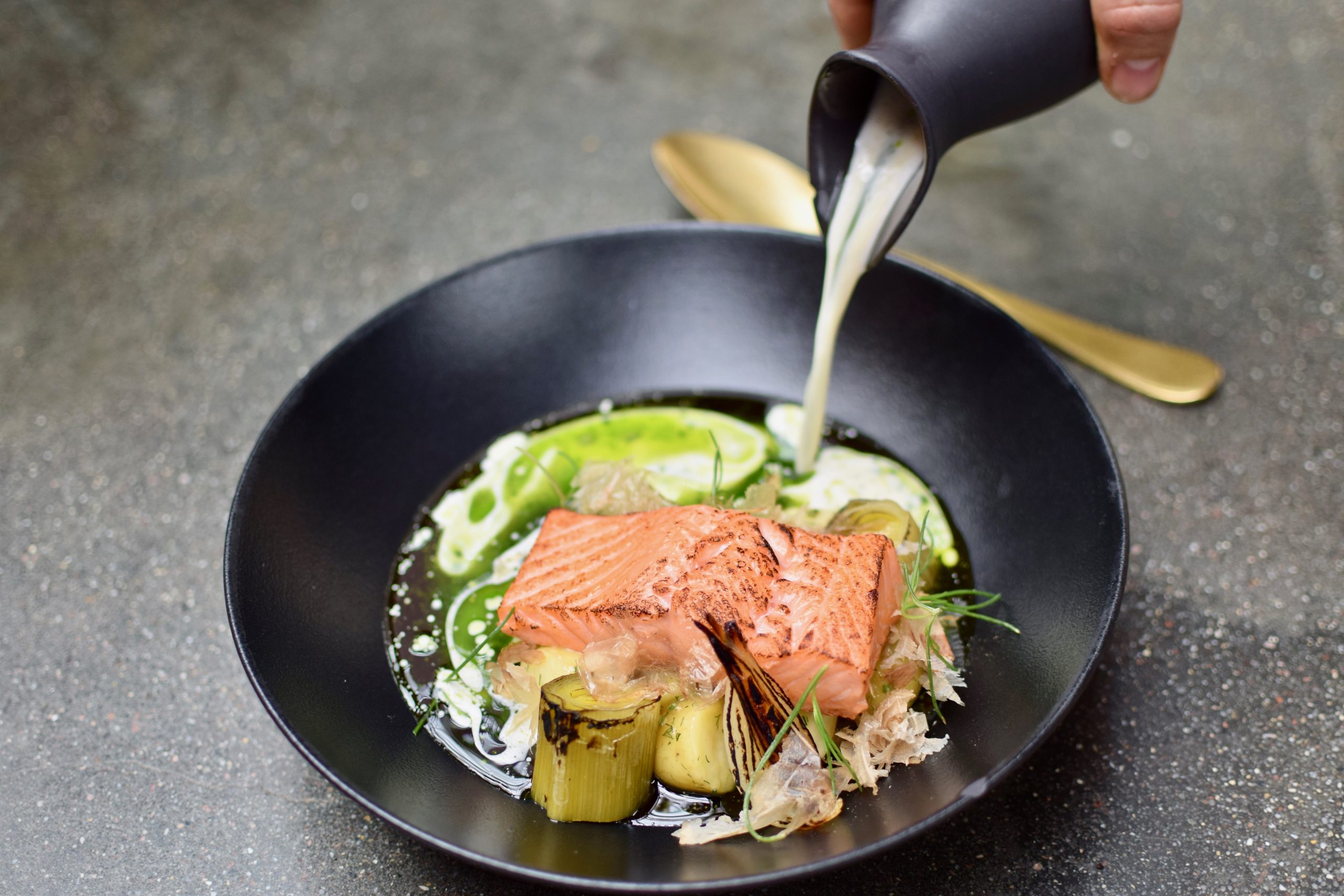
Making salmon soup requires fresh salmon fillets, root vegetables like potatoes and carrots, dairy components such as cream or milk, and aromatic seasonings including dill and bay leaves. The key is gentle simmering to maintain the salmon’s delicate texture while building rich, creamy flavours. Proper ingredient preparation and cooking timing ensure a restaurant-quality lohikeitto that’s both satisfying and elegant.
What ingredients do you need for authentic salmon soup?
Authentic salmon soup requires fresh salmon fillets (about 500–600 g for four servings), root vegetables including potatoes, carrots, and leeks, dairy components like double cream and milk, plus essential seasonings such as fresh dill, bay leaves, and white peppercorns. Quality fish stock forms the flavourful base that distinguishes exceptional lohikeitto from ordinary versions.
The salmon selection makes the biggest difference in your soup’s final taste. Choose thick, firm fillets with bright colour and no fishy smell. Atlantic salmon works beautifully, though you can substitute Arctic char or sea trout for variation. Remove any pin bones carefully before cooking.
For the vegetable foundation, waxy potatoes hold their shape better than floury varieties during the gentle simmering process. Carrots add natural sweetness, while leeks provide subtle onion flavour without overwhelming the delicate fish. Fresh dill is absolutely essential – dried simply cannot match its bright, aromatic quality that defines proper lohikeitto.
Dairy components should include both double cream for richness and whole milk for the proper consistency. Some recipes use crème fraîche instead of cream for a slightly tangy note. For those avoiding dairy, coconut cream makes an acceptable substitute, though it changes the traditional flavour profile significantly.
How do you prepare salmon properly for soup?
Remove the skin and any remaining bones from salmon fillets, then cut into generous 3–4 cm chunks that won’t break apart during cooking. Pat the pieces completely dry with kitchen paper and season lightly with salt about 15 minutes before adding them to the soup. This preparation ensures the salmon maintains its texture and doesn’t become mushy.
Start by placing the fillet skin-side down on a cutting board. Use a sharp, flexible knife to separate the flesh from the skin in one smooth motion, angling the blade slightly downward. Run your fingers along the flesh to locate any pin bones and remove them with tweezers or needle-nose pliers.
Cut the salmon into uniform pieces so they cook evenly. Chunks that are too small will overcook and fall apart, while pieces that are too large won’t cook through properly. The ideal size allows each piece to hold together while becoming perfectly flaky and tender.
Seasoning the salmon pieces beforehand helps them maintain their structure during cooking. The salt draws out excess moisture and firms up the protein, preventing the fish from becoming waterlogged when added to the hot soup base.
Selecting the best salmon cuts
Choose centre-cut portions of the fillet for the most even cooking and best presentation. These pieces have consistent thickness and fewer small bones than tail sections. The flesh should spring back when gently pressed and have a vibrant pink or orange colour, depending on the variety.
What’s the secret to making creamy salmon soup without curdling?
The secret to smooth, creamy salmon soup lies in temperature control and gradual dairy incorporation. Never let the soup boil once you’ve added cream or milk – maintain a gentle simmer below 80°C. Add dairy components slowly while stirring constantly, and temper them by mixing with a ladle of hot broth before incorporating them into the main pot.
Curdling occurs when dairy proteins coagulate due to excessive heat or acid. Keep your soup at a gentle simmer throughout the cooking process, watching for small bubbles around the edges rather than a rolling boil. If you notice the temperature rising too quickly, remove the pot from the heat temporarily.
The tempering technique prevents thermal shock to the dairy. Take a ladleful of the hot soup base and slowly whisk it into your cream or milk in a separate bowl. This gradually raises the dairy temperature before you add it back to the pot. Continue stirring gently as you pour the tempered mixture into the soup.
Adding a small amount of flour or cornflour mixed with cold milk can help stabilise the dairy and prevent separation. However, this isn’t necessary if you maintain proper temperature control. Some professional kitchens add the dairy off the heat entirely, then gently rewarm the finished soup.
Professional stabilisation techniques
We’ve found that adding dairy in stages works better than incorporating it all at once. Start with milk to establish the base consistency, then finish with cream for richness. This layered approach creates a more stable emulsion that’s less likely to break.
How long should you cook salmon soup for the best results?
Total cooking time should be 25–30 minutes, with vegetables simmering for 15–20 minutes until tender, followed by 5–7 minutes for the salmon to cook through gently. Add dairy components during the final 2–3 minutes to prevent curdling. The salmon is perfectly done when it flakes easily but still holds its shape.
Begin by bringing your fish stock to a gentle simmer and adding the harder vegetables like potatoes and carrots. These need the longest cooking time to become tender without falling apart. Root vegetables should be easily pierced with a fork but still hold their shape when ready.
Add softer vegetables like leeks during the last 10 minutes of the vegetable cooking time. They need less time to become tender and can become mushy if overcooked. The leeks should be translucent and soft but not disintegrating.
Salmon requires the shortest cooking time and should be added only when the vegetables are nearly done. The fish will continue cooking from residual heat even after you remove the pot from the stove, so slightly undercooking is better than overdoing it.
Watch for visual cues that indicate doneness. The salmon should change from translucent to opaque and flake easily when tested with a fork. Overcooked salmon becomes dry and stringy, ruining the soup’s luxurious texture that makes lohikeitto so special.
What are the most common salmon soup mistakes to avoid?
The most common mistakes include overcooking the salmon until it becomes dry and stringy, adding dairy too early or at too high a heat, causing curdling, underseasoning the broth base, and cutting vegetables unevenly so they cook at different rates. These errors transform what should be an elegant, creamy soup into a disappointing meal.
Overcooking salmon is perhaps the biggest mistake home cooks make. The fish continues cooking from residual heat even after it is removed from the stove, so err on the side of undercooking. Properly cooked salmon should be just opaque and flake gently when tested.
Temperature control issues often ruin the soup’s creamy texture. Boiling the soup after adding dairy will cause it to curdle and separate. Keep the heat low and watch for gentle simmering rather than aggressive bubbling throughout the cooking process.
Seasoning mistakes can make even perfectly cooked soup taste flat. Build flavour layers by seasoning the stock base well before adding other ingredients. Taste and adjust seasoning at each stage, remembering that the salmon and vegetables will absorb some of the salt as they cook.
Timing and ingredient addition errors
Adding all ingredients simultaneously is another frequent mistake. Each component has different cooking requirements, so timing their addition properly ensures everything reaches perfect doneness together. Plan your cooking sequence carefully for the best results.
Creating perfect lohikeitto requires attention to detail and respect for each ingredient’s unique characteristics. The reward is a soup that showcases the pure flavours of fresh salmon and vegetables in a silky, aromatic broth. With proper technique, you can achieve restaurant-quality results that celebrate this beloved Nordic comfort food tradition.