Planning a work dinner or private celebration in Helsinki takes more than just finding a free table. You want a setting that does the heavy lifting: somewhere the atmosphere, the food, and the view all come together so you can focus on the people you are with.
That is exactly what we have been offering at Hietalahti harbour since 1986.
A harbour setting that makes any occasion memorable
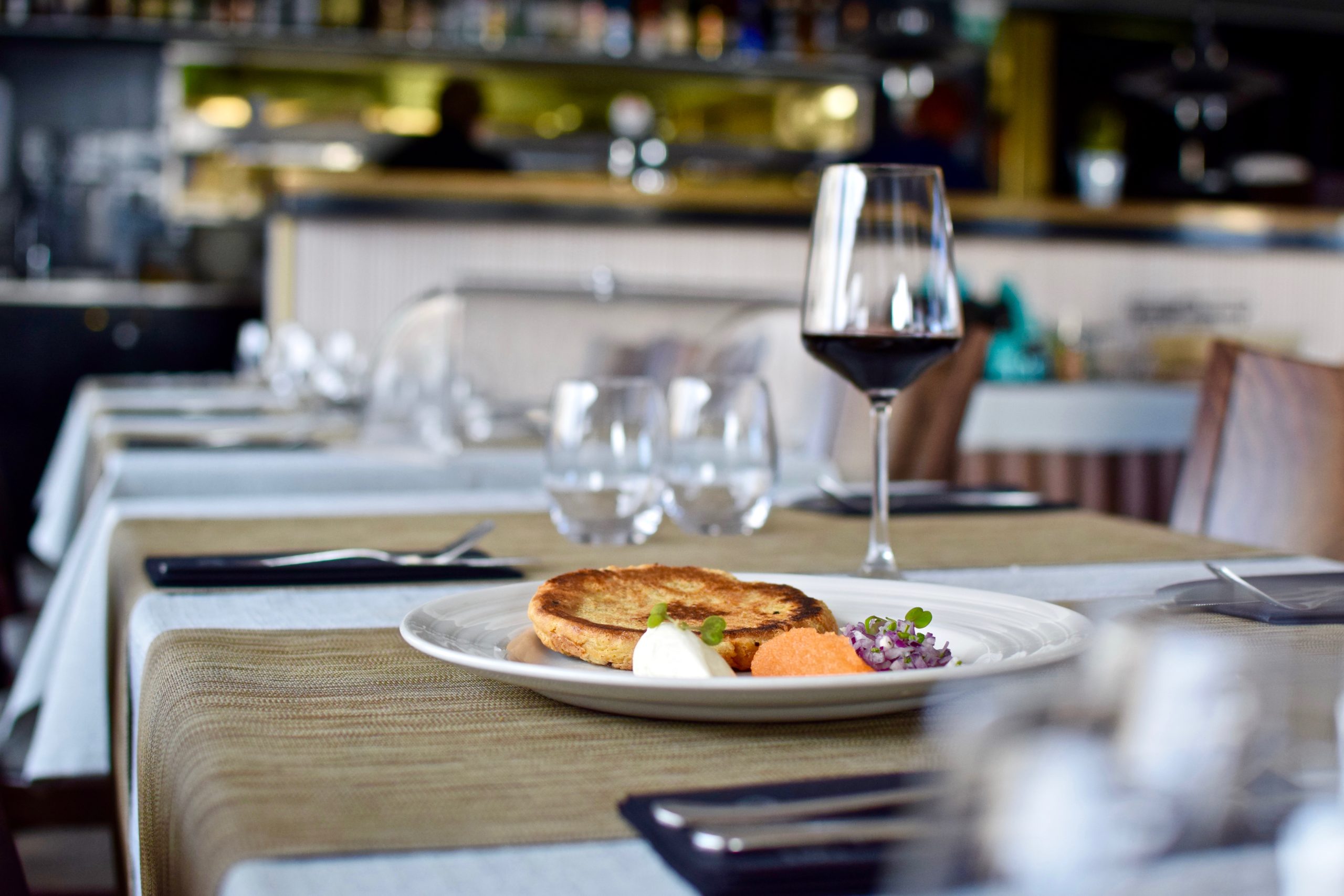
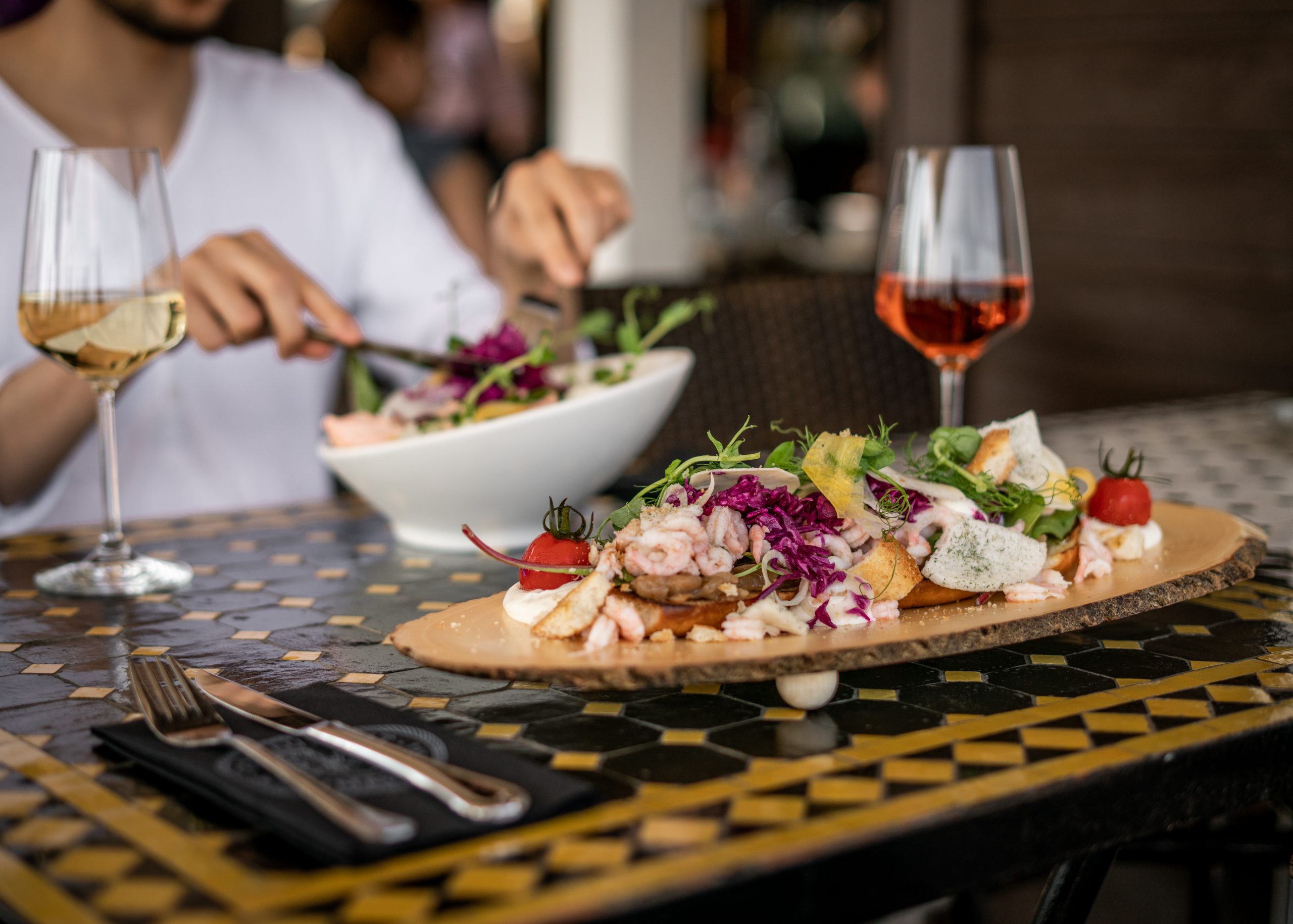
There is a reason guests keep coming back to Merimakasiini for their most important dinners. The restaurant sits right on the waterfront in Hietalahti, with panoramic harbour views framed by large windows that bring the sea into the room whatever the season.
The interior honours Helsinki’s maritime heritage: nautical details, historical photographs, and a sense of place that no generic conference hotel can replicate.
- Harbour views from every seat, creating a natural conversation starter
- A summer terrace that opens directly onto the waterfront
- A relaxed, warm atmosphere that makes guests feel at ease from the moment they arrive
- Walking distance from Helsinki city centre, easy to reach for everyone at the table
A venue that already feels special means you spend less energy setting the scene and more time enjoying the evening.
Legendary dishes built on decades of craft
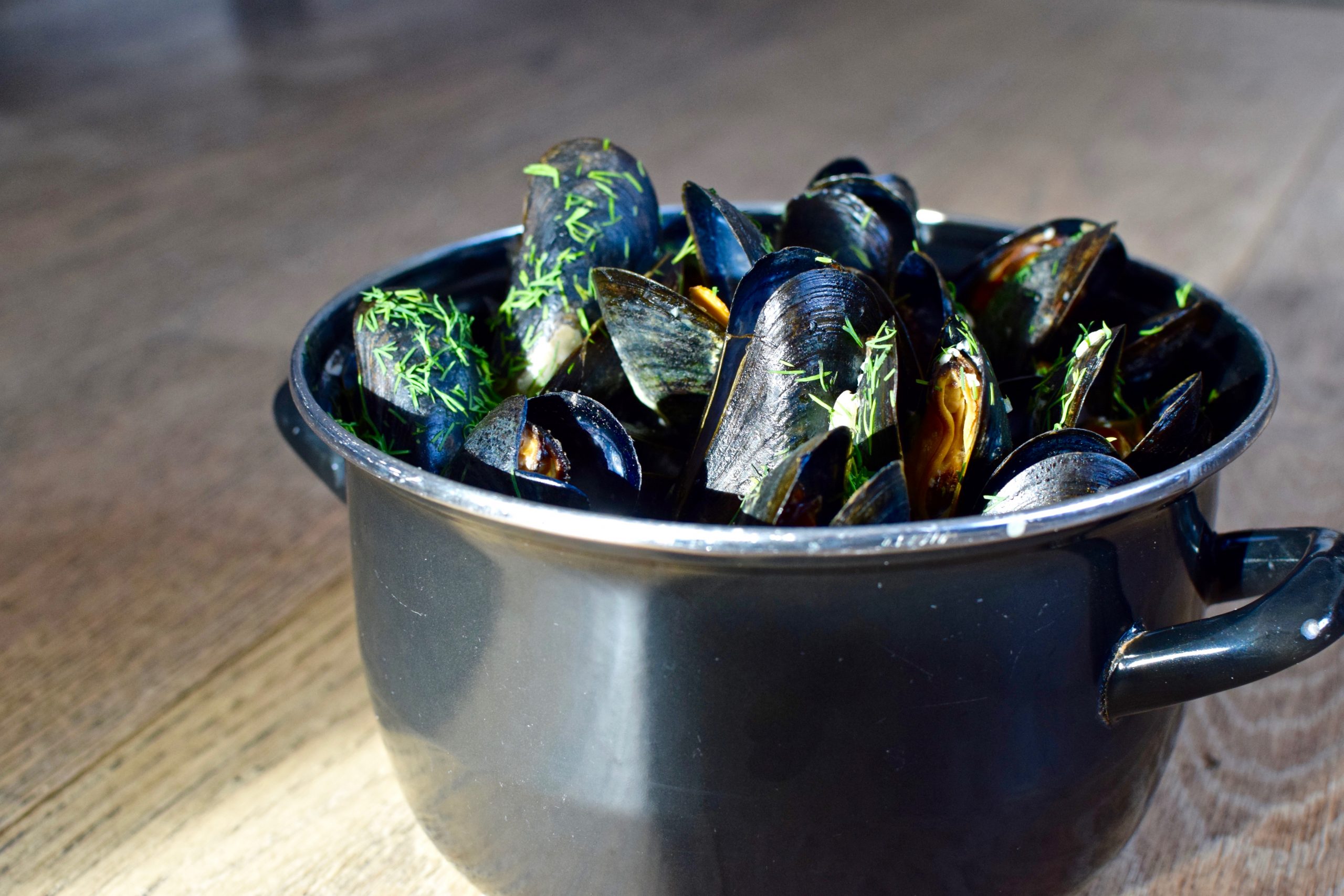
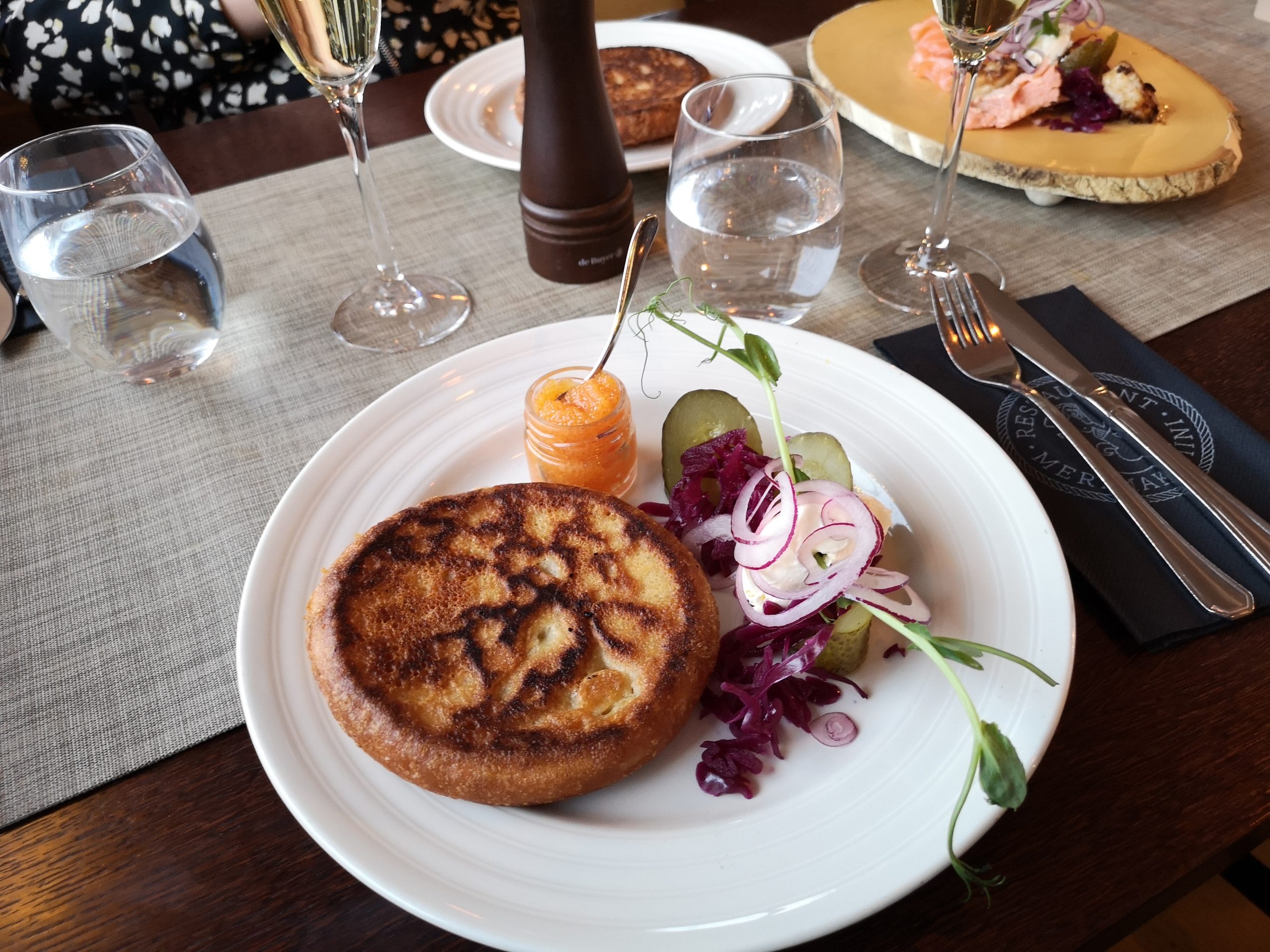
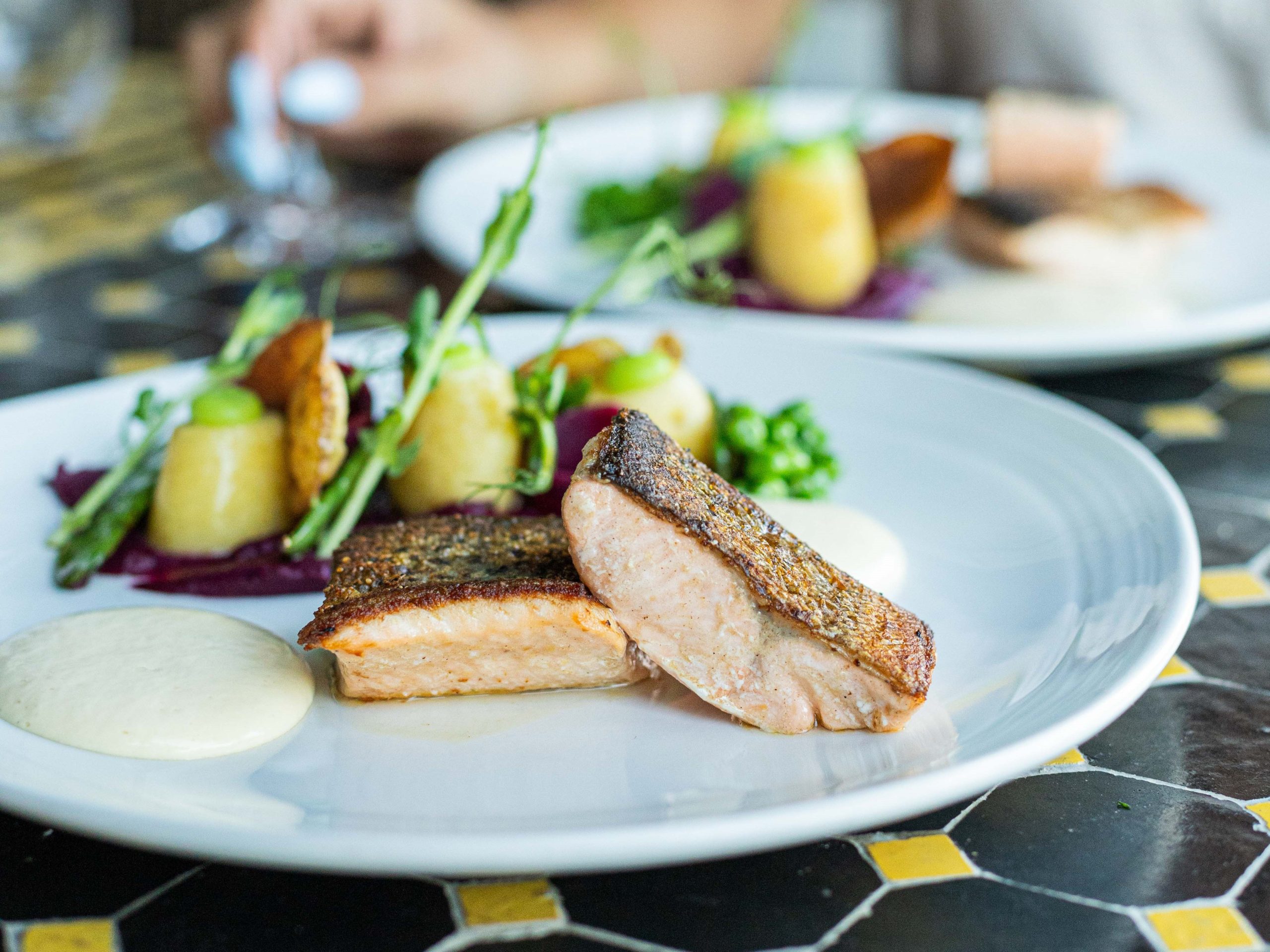
A great venue falls flat without exceptional food. We have spent four decades refining a menu built around the freshest seafood Helsinki has to offer, and that commitment shows on the plate.
We work directly with local fishermen who deliver their daily catch straight to our kitchen. The fish on your table often swam in the Baltic just hours before.
For group occasions, we offer three carefully composed set menus for groups dining together that give every guest a genuine choice while keeping the evening flowing smoothly:
- Menu Makasiini (47 €/person): A seasonal salad starter, mushroom and tofu in rice paper, and chocolate coconut mousse with white chocolate and berries. Vegetarian and vegan options available throughout.
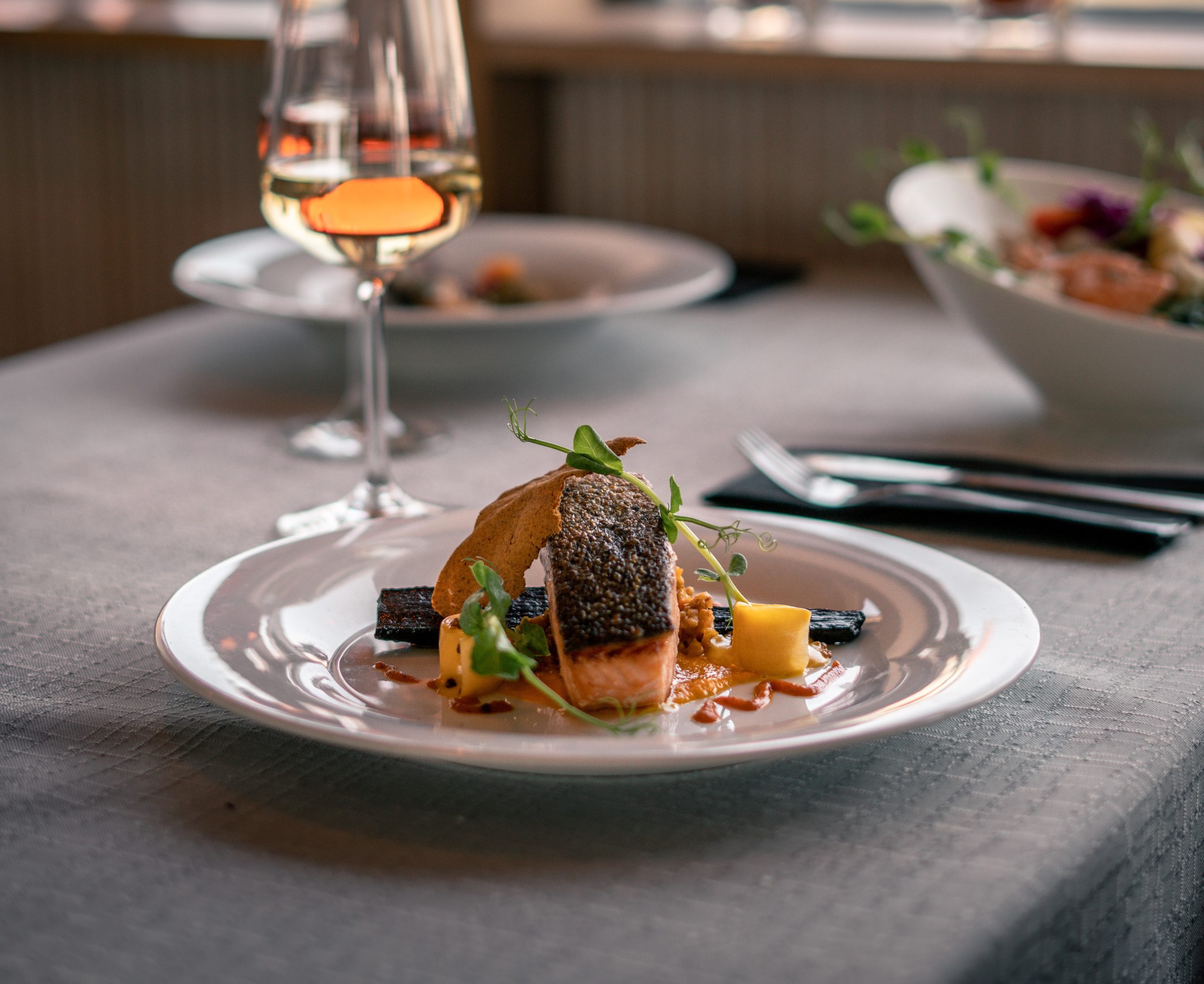
- Menu Merenneito (50 €/person): Beef carpaccio, grilled Arctic char with pumpkin and hollandaise, followed by chocolate coconut mousse.
- Menu Telakka (56 €/person): Crayfish soup with hand-peeled Arctic prawns, beef tenderloin with leek, onion, garlic potatoes and pepper sauce, and chocolate coconut mousse to finish.
Each guest in your group can choose their own menu in advance, so no one is left eating something that does not suit them. Dietary needs including gluten-free and vegan alternatives are built into the menus, not treated as afterthoughts.
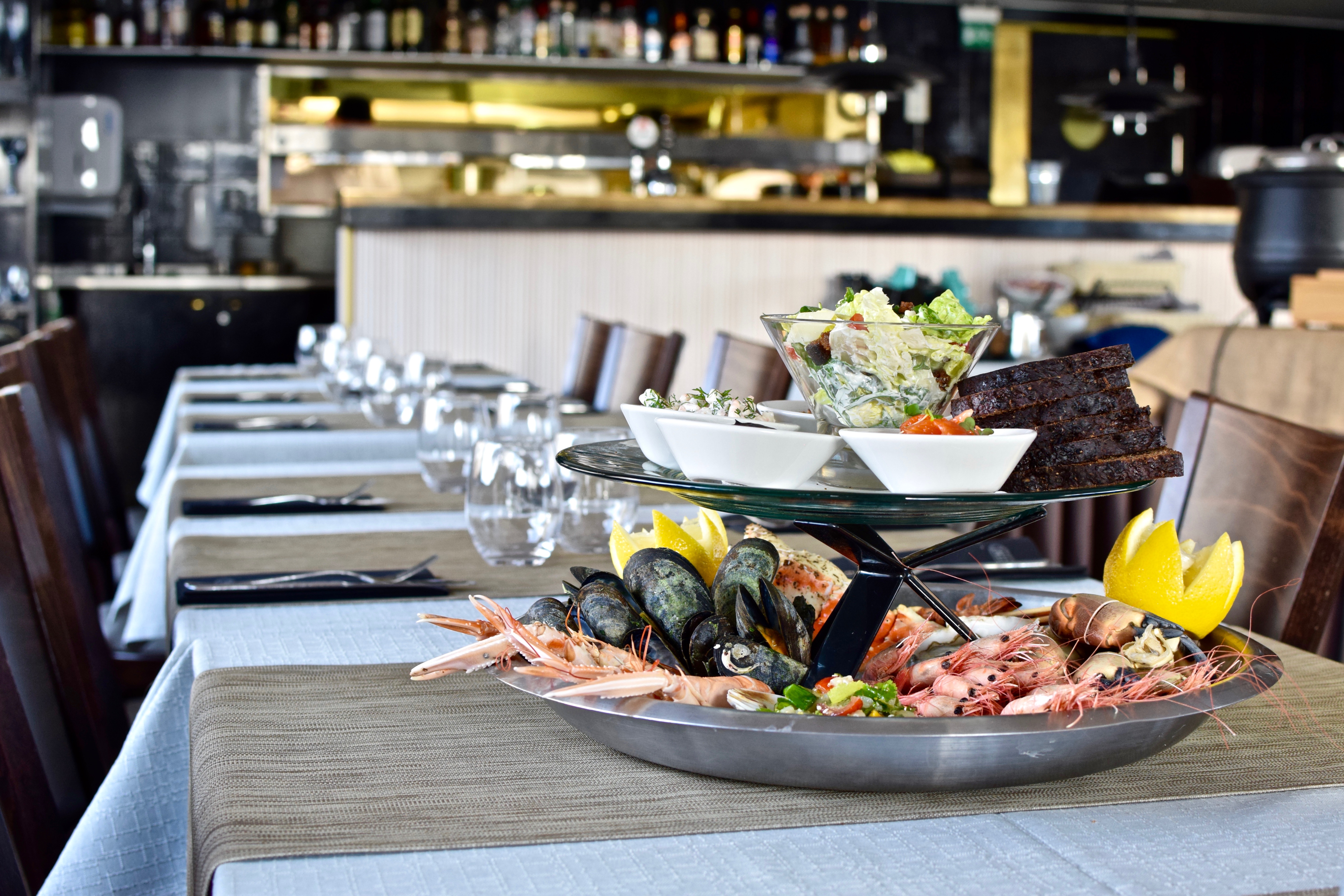
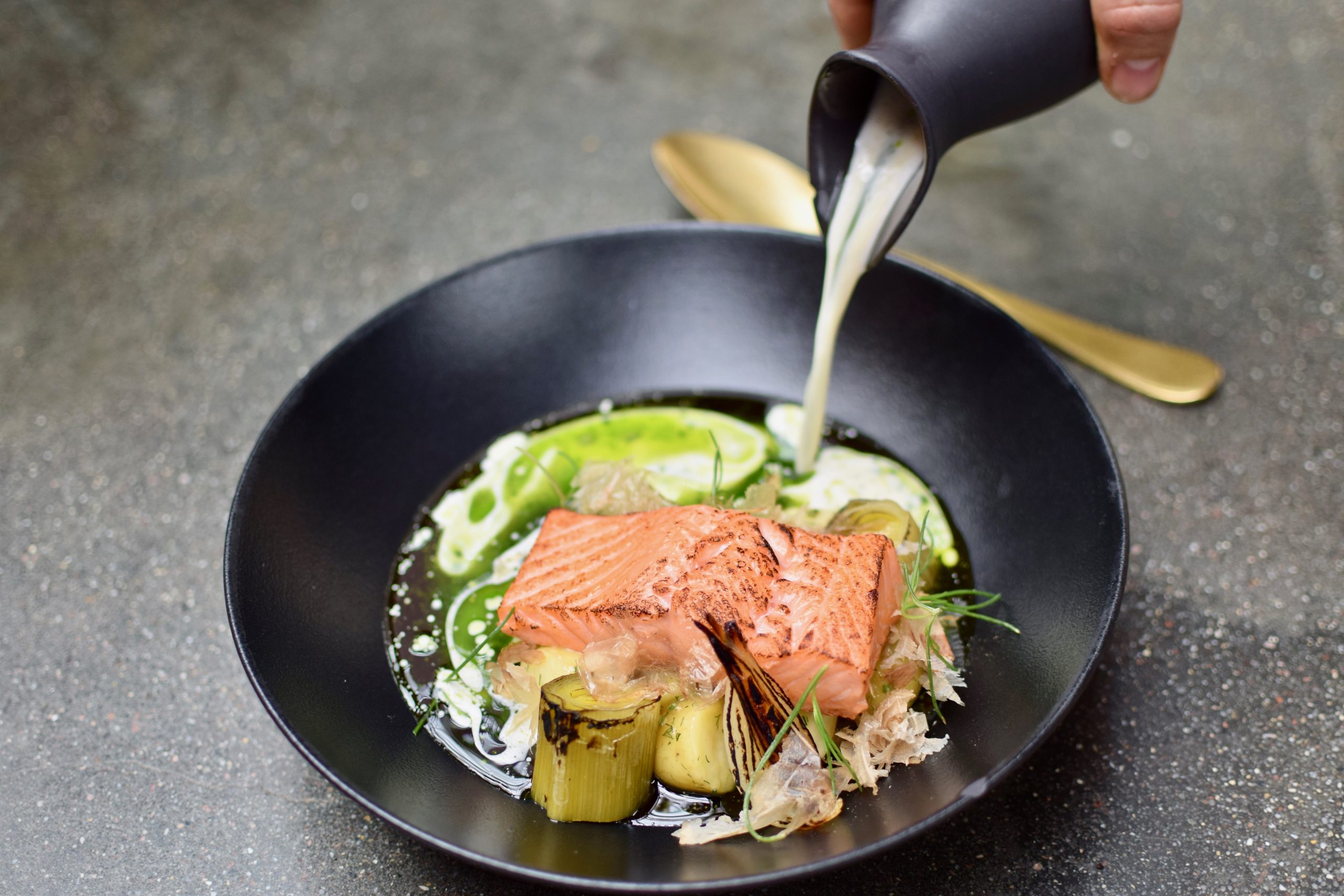
And if your group wants to experience our most beloved classics, our legendary salmon soup (made to a 30-year-old secret recipe) and the Fruits de Mer seafood platter are always worth considering alongside the set menus.
From corporate tables to intimate gatherings
Whether you are organising a corporate dinner in Helsinki, a team lunch, a graduation celebration, or a milestone birthday, we can accommodate your group with the same level of care.
Group dining at a seafood restaurant in Helsinki should not feel like a logistical headache. We make it straightforward:
- Set menus with individual choice keep ordering simple for large groups
- Pre-arranged dining means your evening runs on your schedule, not ours
- For larger groups, we can open outside our regular hours by prior arrangement
- Our team handles the details so you can be present with your guests
A private celebration in Helsinki deserves a setting with real character. We bring the atmosphere; you bring the people worth celebrating.
Why choose Helsinki’s most enduring seafood restaurant
Forty years is a long time to stay relevant in the restaurant industry. We have not done it by chasing trends. We have done it by staying close to what matters: honest ingredients, skilled cooking, and genuine hospitality.
When you choose a restaurant venue in Helsinki for a work dinner or private event, you are also making a statement about how you value your guests. A place with history and a clear identity says something different from a neutral event space.
- Open year-round since our early years: we originally planned it as a summer restaurant, but stayed open because our guests kept coming back
- Seafood sourced directly from local fishermen, not food service distributors
- A menu that balances seafood classics with meat and vegetarian options, so every guest is genuinely catered for
- Attentive, warm service that makes the meal feel effortless without being intrusive
For a work dinner in Helsinki where you want the conversation to flow and the food to impress without being showy, this is the kind of place that delivers.
Reserve your table for the perfect Helsinki dinner
Booking a group dinner or private event with us is simple. Get in touch to request a quote tailored to your group size, occasion, and preferred menu.
We will take care of the rest, from confirming dietary requirements in advance to making sure your table is ready when your guests arrive.
- Tell us your date, group size, and any dietary needs
- We send you a personalised quote with menu options
- Your guests choose their preferences in advance
- You arrive and enjoy the evening
Whether it is a private dining experience in Helsinki for six or a corporate celebration for sixty, we are ready to make it memorable. Reach out today and let us help you plan a dinner worth remembering.